
Reviewed by Josh N · Updated August 27, 2026 · How we verify
Reported Phenomena
- Shadowy apparition
- Unexplained sounds
- Glimpsed figures
- Night-shift encounters
Reported by visitors & local legend. Stories, not verified claims.
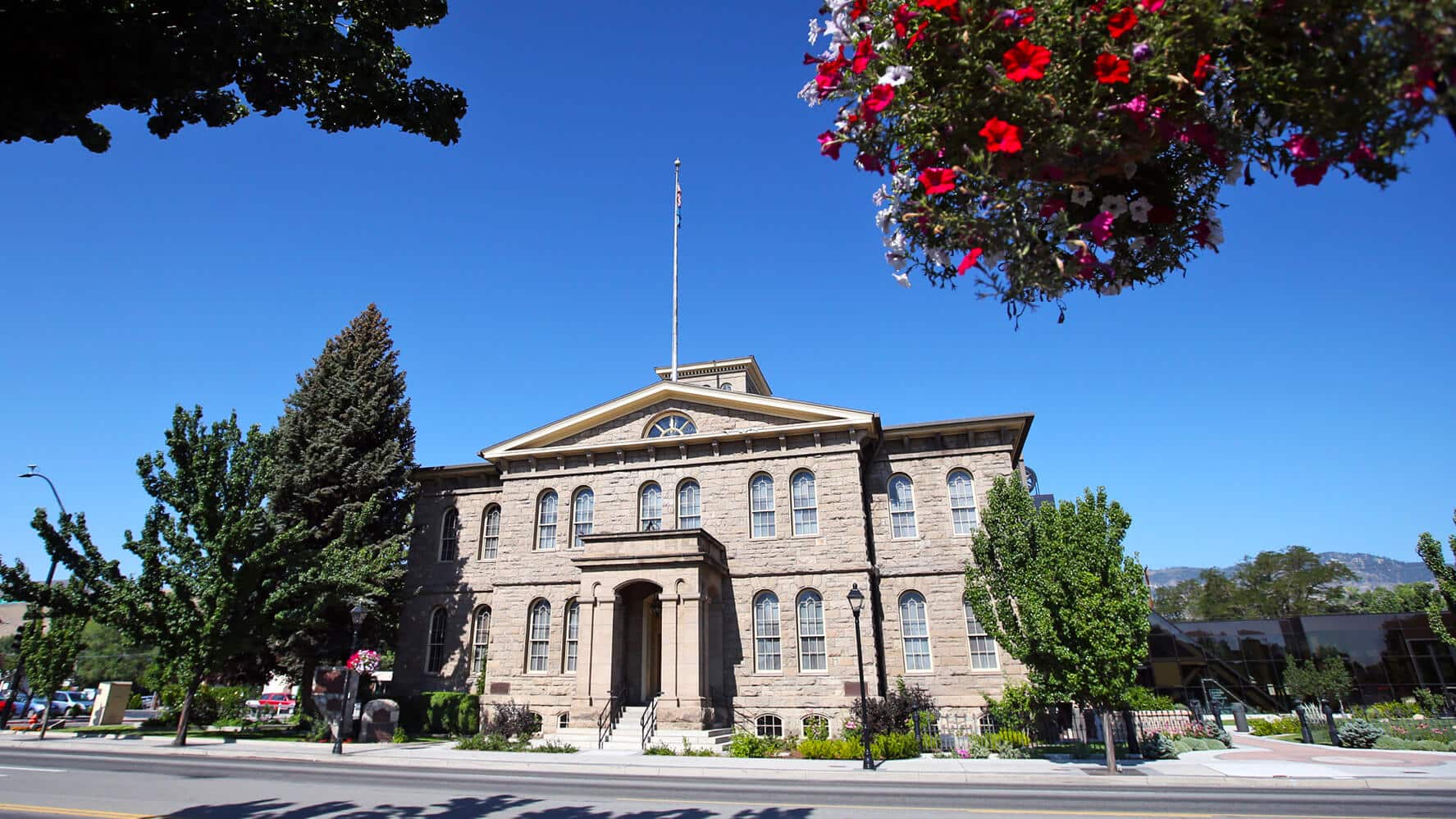
Silver from the Comstock Lode paid for the Carson City Mint, and the building has outlasted the coining operation by well over a century. Raised in the capital of Nevada at the height of the silver boom and set deliberately close to the mines, the stone mint struck money carrying the “CC” mint mark between 1870 and 1893. It then served as a bullion depository, later an assay office, and finally as a state museum. Somewhere in that long institutional life it also picked up a reputation for shadowy figures and unexplained sounds, a reputation resting entirely on the accounts of staff and visitors rather than on anything in the record.
Quick Orientation
- What it was: a branch of the United States Mint, created in 1863 and in operation from 1870
- Coining years: 1870 to 1885, a hiatus, then 1889 to 1893, a total of 21 non-consecutive years
- Output: more than $50 million in gold and silver coinage, the final strikes before June 1893
- Mint mark: “CC”, on 50 issues of silver coins and 57 issues of gold
- What it is now: the Nevada State Museum, Carson City
- Reported phenomena: apparitions and sounds described by employees and guests, with no verified incident behind them
Why the Treasury Wanted a Mint Beside the Comstock
The reason for a federal mint in a small western capital was arithmetic, not sentiment. The American Civil War had cut into the government’s mintage capacity, and facilities lost in the south needed replacing. Carson City sat within reach of the Comstock Lode, and the plan was to coin Comstock silver where it came out of the ground, the same logic that had put a mint in San Francisco to handle gold from the California rush.
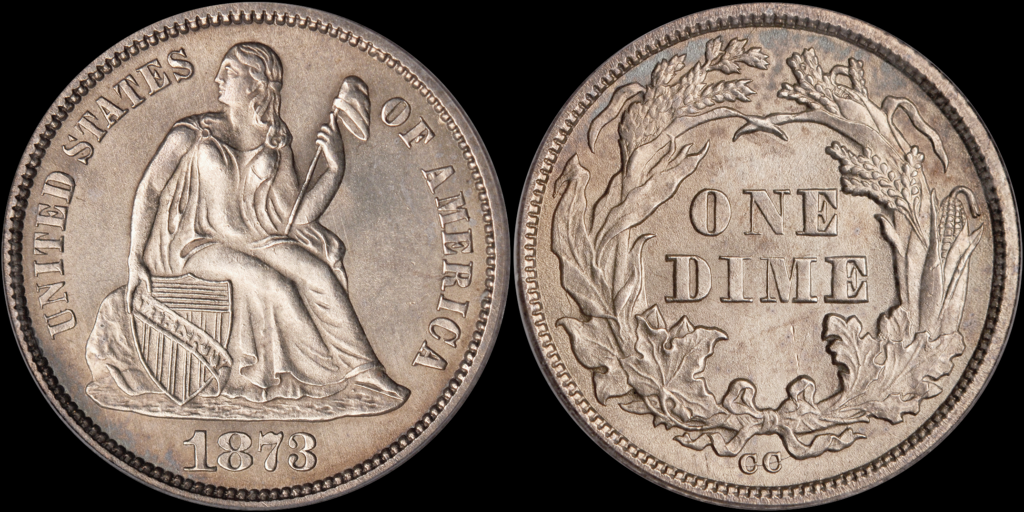
It did not entirely work. Despite the original intent, most Comstock silver bypassed Carson City altogether and was shipped to San Francisco for processing. The mint was created in 1863 but did not begin operating until 1870, and at its peak it employed 75 people, a modest workforce for a federal facility. Coins struck here, Morgan dollars in particular, are now generally rare and carry a high premium with collectors, which is precisely because the operation was small and interrupted.
Mullett’s Facade and Abraham Curry’s Building
The building itself has a place in architectural history. It was the first designed by Alfred B. Mullett after he became Supervising Architect of the Department of the Treasury. The construction supervisor was Abraham Curry, known as the “Father of Carson City,” who also served as the mint’s first superintendent until 1870, when fellow commissioner Harry Rice took the office. The facade is restrained Renaissance Revival stone, with pairs of round-headed windows and a center portico. It reads as a bank or a courthouse rather than a factory, which is part of why the interior surprises people.
What the CC Mint Mark Actually Covers
Carson City struck a wide range of denominations across its two working periods. On the silver side: the Seated Liberty dime from 1871 to 1878, the short-lived twenty-cent piece in 1875 and 1876, the Seated Liberty quarter, half dollar and dollar, the Trade dollar from 1873 to 1878, and the Morgan dollar from 1878 to 1885 and again from 1889 to 1893. A Seated Liberty dollar was the first coin ever struck at Carson City. In gold, the mint produced half eagles, eagles and double eagles, with the double eagle running in three separate stretches between 1870 and 1893.
After the mint closed for good in 1893, the building was used as a bullion depository and was designated a U.S. Assay Office in 1899. The federal government sold it to the state of Nevada in 1939.
Coin Press No. 1, Still Working
The detail that makes this museum unlike any other haunted building in the state is mechanical. Coin Press No. 1, the mint’s original press, is still in the building and is still used, striking commemorative medallions bearing the “CC” mint mark. The most recent of those medallions marked the museum’s 75th anniversary. The museum also holds displays about mint operations and the coin collections of Norman H. Biltz.
In July 2019 a bill was introduced proposing that commemorative Morgan and Peace dollars be struck on the premises of the Nevada State Museum in 2021. Had it passed, those coins would have carried the “CC” mint mark, the first legal tender coins to do so in 128 years, and would have marked the first Peace dollar ever struck with the mark. The American Numismatic Association encouraged collectors to voice support, though some objected to the proposed mintage limit of 500,000 pieces. The 2021 Morgan commemorative dollars were struck with a “CC” privy mark, but not at the former Carson City Mint.
The Figures Staff Say They See
The ghost stories here are the kind that circulate among employees rather than the kind attached to a documented tragedy. There is no recorded disaster at the mint, no famous death, no named victim. What there is instead is a body of reported experience: staff and visitors describing figures glimpsed in the galleries and sounds they cannot account for inside a heavy stone building. The most repeated account involves a security guard who reportedly encountered a shadowy figure during early morning hours, which then vanished.
The usual interpretation offered locally is that the presences belong to former mint employees, men who worked long shifts around presses and bullion. That is speculation, not history. It is worth saying plainly that nothing in the mint’s documented record supports it, and that a nineteenth-century stone building full of iron machinery, wooden floors and a partly subterranean layout produces a great many noises on its own. What can be said honestly is that people who spend time in the building after hours report things they find hard to explain, and that they keep reporting them.
Visiting the Old Mint in Carson City
You visit as a museum-goer, not a ghost hunter. The Nevada State Museum occupies the mint building on Carson Street and interprets the coining operation directly, so the mint history is the main exhibit rather than a footnote. Check the museum’s schedule before travelling if you want to see Coin Press No. 1 in action, since medallion striking happens on announced days rather than continuously. Come for the press, the CC coinage and Mullett’s facade, and treat the ghost accounts as part of the building’s folklore rather than a reason to go.
See Carson City Mint for Yourself
Sources
- Treating Gold and Silver at the United States Mint
- H. F. Rice
- H.R.3757 to 116th Congress (2019 to 2020): 1921 Silver Dollar Commemorative Coin Act (Congress (official))
- Commem legislation seeks Morgan dollar struck at Carson City
- Usmint (official)
- Wikipedia: Carson City Mint
Address: 600 N. Carson Street
Frequently Asked Questions
Where is Carson City Mint located?
Carson City Mint is located at 600 N. Carson Street.
Can you visit Carson City Mint?
Carson City Mint is open to the public. Always follow posted rules and respect private property.
Reader sightings
Nobody has reported anything here yet. If you have been, you would be the first.
Report your own visit to Coin Press No. 1 and the Ghosts of the Carson City Mint
How haunted is this place?
Be the first to rate
Leave a Reply