
Reviewed by Josh N · Updated September 2, 2026 · How we verify
Reported Phenomena
- Phantom sounds
- Miner apparitions
- Unexplained voices
Reported by visitors & local legend. Stories, not verified claims.
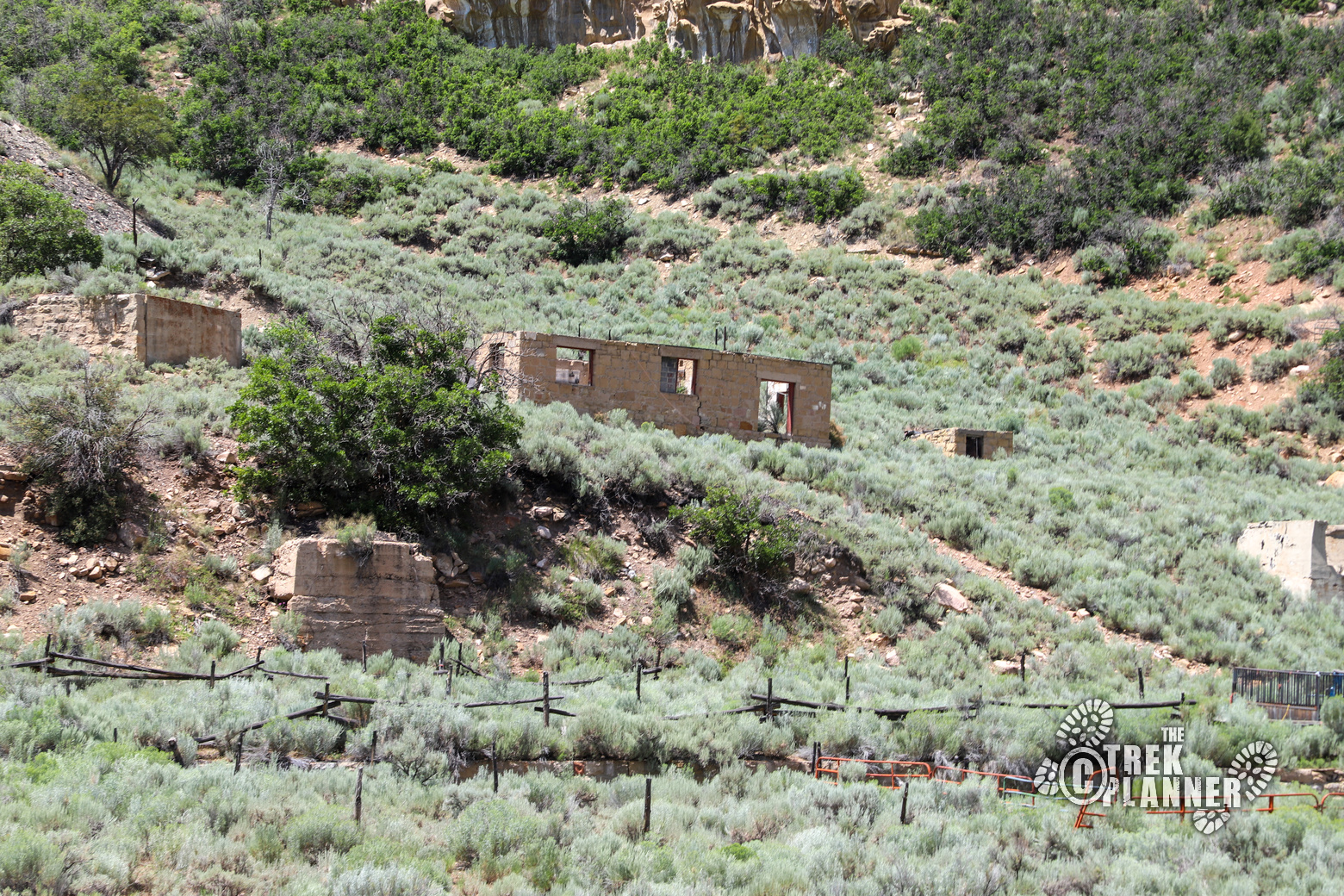
Seven miles up Spring Canyon from Helper, in the coal country of eastern Utah, the concrete shell of a mine office stands in the sagebrush with nothing around it. That fragment is most of what remains of the Latuda ghost town, a company camp that lived and died inside a single human lifetime. What people report there now, footsteps with no source, voices, figures glimpsed among the ruins, sits on top of a documented history that is bleak enough on its own: a mine opened, a town of nearly 400 filled up around it, and within fifty years there was no one left at all.
The record and the legend are worth keeping separate, so this entry does that.
Quick Orientation to Latuda, Carbon County
- Where: Carbon County, Utah, about seven miles from the mouth of Spring Canyon at Helper
- Founded: the land purchase was made on August 1, 1917
- Founders: Francisco Latuda and Charles Picco, who bought roughly 326 acres of coal-bearing ground
- The operation: the Liberty mine, worked by the Liberty Fuel Company
- Peak population: nearly 400 residents
- Post office: operated from 1920 to 1958
- Abandoned: by 1967 no one was left
- Status: ruins on private property, not open to casual visitors
- Reported phenomena: phantom sounds, apparitions associated with miners who died underground
326 Acres and the Liberty Fuel Company
Latuda was not a settlement that grew by accident around a crossroads. It was a business decision. On August 1, 1917, Francisco Latuda and Charles Picco purchased approximately 326 acres of coal-bearing land in Carbon County, and from that ground they developed the Liberty mine and organized the Liberty Fuel Company around it. The town took its name from Latuda himself.
The first shipment of coal left in 1918. What followed was the standard arc of a Utah coal camp: the company built the mine works and the housing and the facilities that kept men and families in a narrow canyon far from anywhere else. A post office opened in 1920. At its fullest the camp supported the ordinary machinery of a small town, a school and a baseball team among them, and a population of close to 400 people who were there because the Liberty mine was there.
Nearly 400 Residents, Then None
Decline came earlier than most visitors assume. By the mid-1940s production at Latuda had begun to fall off, and by 1954 the company had already wound up most of its operations. The post office, a reliable index of whether a place still functions as a community, shut in 1958. The last residents held on for another decade or so. By 1967 there was no one left.
That is the whole span: coal shipping in 1918, an empty canyon by 1967. Fewer than fifty years separate the first loaded rail car from the final departure, which is part of why Latuda registers the way it does with people who walk it. The ruins are not ancient. They are the leftovers of a working town that people alive today can remember.
What Visitors Say They Encounter in the Ruins
The haunting attached to Latuda is a miners’ haunting. The story told about the site holds that the spirits of men killed in the workings never left the canyon, and the reported experiences follow that framing: phantom sounds with no visible source, and apparitions seen among the concrete remains. These are secondhand accounts passed between visitors, ghost hunters and paranormal enthusiasts rather than anything established by record, and no source consulted for this entry documents a specific named death or disaster at the Liberty mine.
It is worth saying plainly that the atmosphere does a great deal of the work here. A stripped canyon, a single hollow building, a town that vanished within living memory: the setting invites exactly the kind of story that has grown around it. Nothing about the reported activity has been verified, and the legend is the likelier parent of the sightings rather than the reverse.
Visiting Latuda: Look, but Do Not Trespass
This is the part that matters most for anyone planning a trip up Spring Canyon. What remains of Latuda sits on private property and is largely inaccessible to the public. The ruins are unstable, the ground around an abandoned coal operation carries its own hazards, and the reputation of the site does not grant anyone permission to be on it.
The realistic visit is a drive up the Spring Canyon road out of Helper, viewing the remains from the public roadway and treating the surviving structure as something to be looked at from a distance. Anyone wanting closer access needs the landowner’s consent, and Carbon County’s coal camp history is better served by the museums and interpretive material in Helper itself than by climbing through somebody else’s ruin after dark.
Sources
- Geographic Names Information System (Nationalmap (official))
- Latuda, Utah Mining Camp, Legends of America
- History of Latuda, Utah
- A GUIDE TO CARBON COUNTY COAL CAMPS AND GHOST TOWNS
- GeoHack – Latuda, Utah
- Wikipedia: Latuda, Utah
Frequently Asked Questions
Can you visit Latuda Ghost Town?
Latuda Ghost Town is on private property and best viewed from a distance. Always follow posted rules and respect private property.
Reader sightings
Nobody has reported anything here yet. If you have been, you would be the first.
Report your own visit to Latuda Ghost Town: Utah’s Emptied Spring Canyon Coal Camp
How haunted is this place?
Be the first to rate
Leave a Reply