
Reviewed by Josh N · Updated December 9, 2025 · How we verify
Reported Phenomena
- Spectral figures
- Shadow figures
- Disembodied voices
- Phantom footsteps
- Cold spots
- Unexplained sounds
Reported by visitors & local legend. Stories, not verified claims.
Address: Hope-Moonville Road, McArthur, Ohio 45651
County: Vinton County, Ohio
Access: The tunnel sits inside Zaleski State Forest. Visitors hike in via the Moonville Rail Trail. Parking is available at the Moonville Rail Trail parking lot on Hope-Moonville Road.
Hours: Open daily, but always check current conditions with the Vinton County CVB or ODNR before visiting.
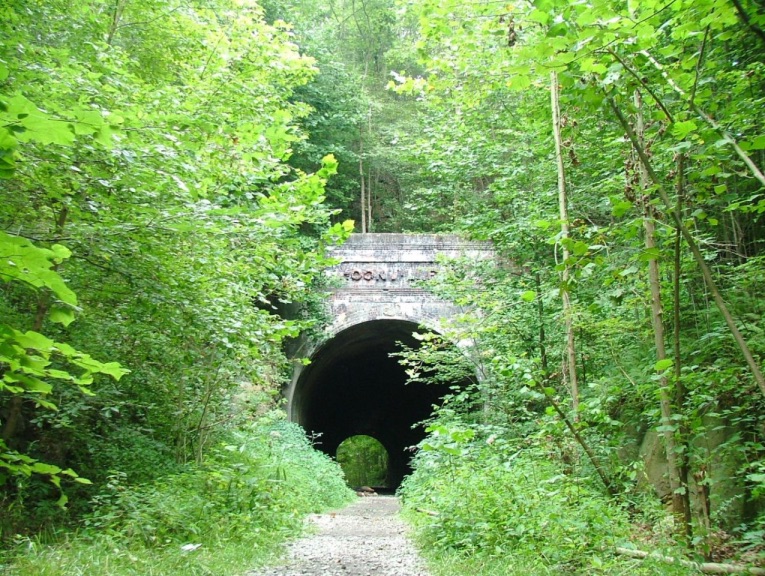
Moonville Tunnel is one of those places where the forest goes quiet in a way that feels strangely purposeful. Tucked deep within Zaleski State Forest, this abandoned railroad tunnel has become one of the most talked about paranormal locations in Ohio. When we first walked through it, we were struck by how fast the mood shifts inside. It is cool, dark, and echoing, and you immediately understand why generations of locals have whispered about the ghosts of Moonville.

History of Moonville and Its Lonely Tunnel
Moonville was established in the 1850s as a small mining town along the Marietta and Cincinnati Railroad. At its peak, it had a few dozen families, a school, a general store, and a hotel. The town faded during the early twentieth century as the coal industry slowed and the railroad cut operations.
The tunnel itself was completed around 1856 to push the rail line through thick forested terrain. Although the rail brought jobs and supplies, it also brought tragedy. The track ran straight through rugged, isolated land, and the narrow tunnel forced workers and locals to walk along the rails when traveling to nearby communities. Multiple people lost their lives here over the decades, often struck by trains at the tunnel entrance or deep inside.
By the 1940s, the town was nearly gone. By the 1960s, the last building collapsed. All that remains today is the trail, the cemetery, the tunnel, and the stories.
The Ghosts Reported at Moonville Tunnel
Moonville has earned a place in paranormal history because of long running reports of spirits along the tracks. Several legends have stuck around because they align with documented deaths recorded near the tunnel.
The Ghost of the Brakeman
This is the most famous spirit. According to historical accounts, a railroad brakeman was killed when he was struck by a train near the tunnel in the late 1800s. Some versions identify him as a man named Lavender. Witnesses over the years have reported seeing a swinging lantern light inside the tunnel, moving as if someone is walking ahead of a train. Others describe a shadow figure that appears only for a moment before dissolving.
The Woman in White
Another widely discussed ghost is said to be a young woman in white who died on the tracks while walking home from a nearby community. People have described seeing a pale figure at the western portal of the tunnel. A few visitors claim she vanishes the moment you focus on her.
The Bully of Moonville
This legend refers to a man who died during a drunken argument near the tracks. Locals say he shows up as an aggressive presence, sometimes pushing or brushing past people walking the trail. While we cannot say we experienced this during our visit, a number of ghost tour groups have reported strange movement in the brush when no one else was around.
Strange Sounds and Environmental Phenomena
Visitors consistently mention:
- Footsteps behind them while inside the tunnel
- Cold spots that form suddenly
- Light anomalies that appear on camera but not to the naked eye
- Voices that mimic conversation even though the forest is empty
One thing we noticed ourselves was how sound behaves inside the tunnel. It carries in unpredictable ways, and even small noises sound amplified. It creates an atmosphere where paranormal activity feels more believable because the environment already plays tricks on your senses.
Why Moonville Tunnel Feels So Haunted
Part of the tunnel’s eerie reputation comes from its isolation. Even today, reaching Moonville requires a walk through thick forest with no remaining town structures. You feel the old railroad history around you. There is nothing modern to break the illusion of the past. That sense of being removed from the world makes every sound sharper and every shadow darker.
The confirmed deaths on the tracks provide real historical context for the hauntings. Unlike many legends that form without evidence, Moonville’s stories align directly with recorded accidents and newspaper articles from the nineteenth century.
Visiting Moonville Tunnel Today
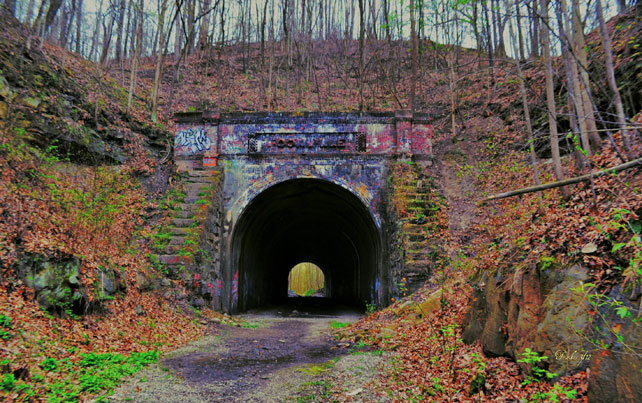
The Moonville Rail Trail is maintained and accessible, and hikers often visit for the scenery alone. The tunnel is covered in graffiti now, but the shape and stone structure are still intact. The acoustics inside are unforgettable.
If you want the full experience, go close to dusk. The light at each end of the tunnel forms silhouettes that look like figures for a split second. It explains why so many people feel watched while walking through.
Helpful tips when visiting:
- Bring a flashlight. The tunnel gets extremely dark in the center.
- Wear sturdy shoes. The trail is mostly dirt and can get muddy.
- Expect spotty cell service.
- Stay on marked trails within Zaleski State Forest.
Always Visit Safely
Never trespass on private property. Parts of the old Moonville area intersect with state forest land, but some surrounding parcels are privately owned. Ghost hunting can be dangerous, especially around tunnels, trails, and low visibility areas. Use caution, come prepared, and always respect posted signs.
Sources
Haunted Ohio research archives by James A. Willis and Ohio Ghost Hunters.
Vinton County CVB. “Moonville Tunnel History.”
Ohio Department of Natural Resources.
“The Moonville Tunnel.” Southeast Ohio History Center.
Frequently Asked Questions
Where is Moonville Tunnel located?
Moonville Tunnel is located at Hope-Moonville Road, McArthur, Ohio 45651.
Can you visit Moonville Tunnel?
Moonville Tunnel is open to the public. Always follow posted rules and respect private property.
Reader sightings
Nobody has reported anything here yet. If you have been, you would be the first.
Report your own visit to Moonville Tunnel: The Haunted Railroad Passage Hidden in the Ohio Woods
How haunted is this place?
Be the first to rate
Nearby Haunted Locations
- 1The Haunted History of Athens Lunatic Asylum | The Ridges in OhioOhio12mi
- 2Mudhouse MansionOhio33mi
- 3Parkersburg’s Blennerhassett Hotel and the Ghost Called HelenWest Virginia41mi
- 4The Haunted Blennerhassett Hotel in Parkersburg, West VirginiaWest Virginia41mi
- 5The Old Licking JailOhio51mi
- 6Room 9, an Opera Singer and Her CatOhio53mi


Leave a Reply