
Reviewed by Josh N · Updated April 17, 2026 · How we verify
Reported Phenomena
- Poltergeist activity
Reported by visitors & local legend. Stories, not verified claims.
Address: 411 East 5th Street, Austin, TX 78701.
Phone: 512-974-3830.
Hours: Wednesday through Sunday, 12 p.m. to 5 p.m. Admission is free.
Website: Official Site
The Susanna Dickinson House, more formally known as the Susanna Dickinson Museum or Joseph and Susanna Dickinson Hannig Museum, is one of those Texas sites where history comes first and ghost lore follows close behind. It is also easy to confuse with San Antonio because Susanna Dickinson is so closely tied to the Alamo, but the house itself is in downtown Austin, where she spent part of her later life and where the preserved home now stands as a museum.
What is the Susanna Dickinson House?
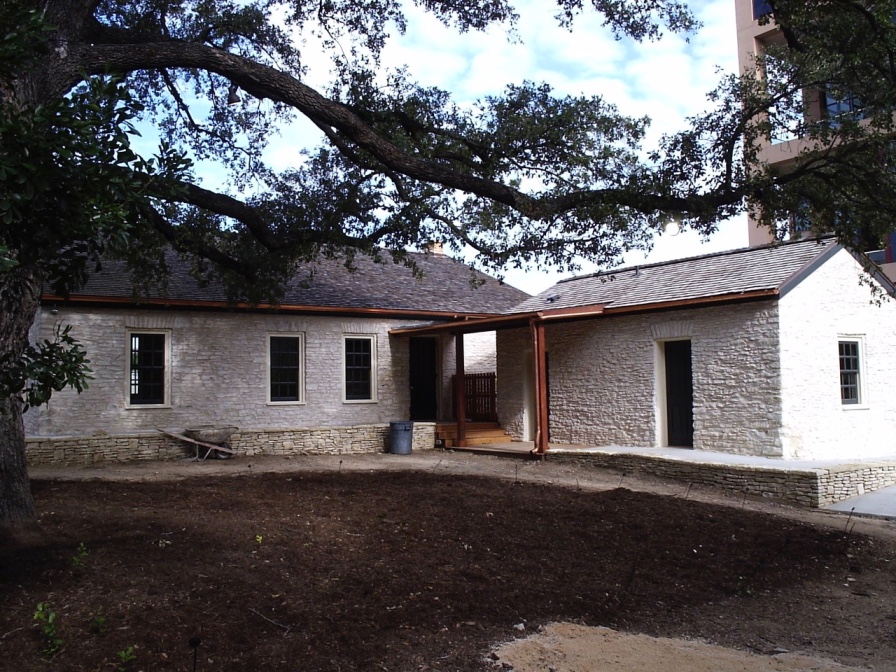
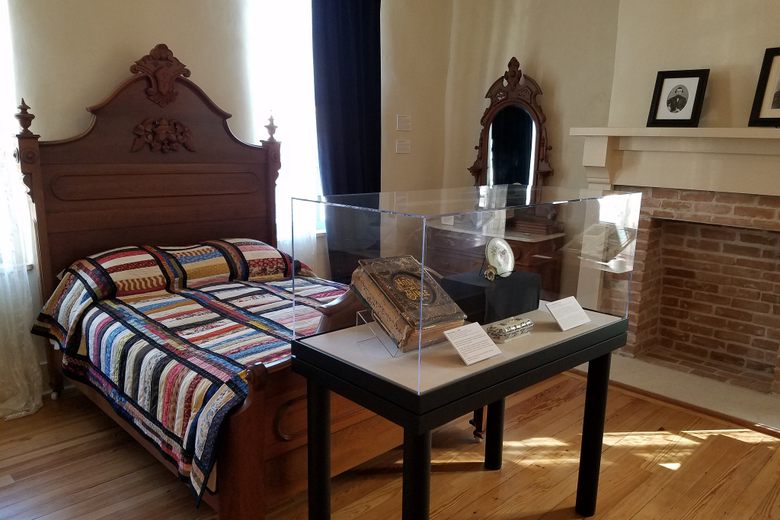
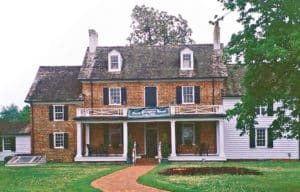
The museum is the only remaining residence associated with Susanna Dickinson. The current house was built in 1869 by her fifth husband, Joseph Hannig, and today it operates as a restored historic house museum in Brush Square alongside other nearby museum sites. The City of Austin describes it as a rubble-rock home, a building type associated with German immigrant construction traditions in Central Texas, and notes that the museum contains Dickinson family artifacts along with furniture made by Hannig.
The structure standing there now is not on its original footprint. Preservationists saved the house from demolition, and it was relocated to Brush Square in 2003 before being fully restored and dedicated as a museum on March 2, 2010, Texas Independence Day. SAH Archipedia and the Brush Square Museums Foundation both note the relocation, which is a big part of why the house still exists at all.
Who was Susanna Dickinson?
Susanna Wilkerson Dickinson was born in Tennessee around 1814. She married Almaron Dickinson in 1829, moved to Texas in the early 1830s, and was at the Alamo with her infant daughter Angelina during the 1836 siege. After the Alamo fell, Santa Anna allowed only a small number of noncombatants to survive, including Susanna and Angelina. She was then sent east with news of the defeat, which helped spread alarm among Texian settlers and became part of the chain of events remembered alongside the Runaway Scrape and the later Texian victory at San Jacinto.
Later in life, after several marriages and years of hardship, she married Joseph W. Hannig in 1857. That final marriage is generally described as her most stable one. She died in Austin in 1883, and her final home is now preserved as the museum that bears her name.
Why the house matters historically
A lot of haunted locations get attention because of the ghost story first and the history second. This one is the opposite. The Susanna Dickinson House matters because it preserves the domestic side of a woman whose life was tied to one of the defining events in Texas history. The museum is not the Alamo itself, but it gives visitors something the battlefield cannot: a sense of Susanna Dickinson as a real person who had a life after the trauma of 1836.
It also matters architecturally and from a preservation standpoint. The house survives because it was physically moved and restored, which makes it part of Austin’s broader preservation story as much as Texas Revolutionary history.
Is the Susanna Dickinson House haunted?
This is where the story becomes more layered. The official museum materials focus on Susanna Dickinson’s life, the house, exhibitions, and public programming. They do not present the museum as an officially documented haunted site.
Still, the house has developed a paranormal reputation in Austin folklore and ghost-tour culture. Austin Monthly has specifically included the Susanna Dickinson Museum among the “reportedly haunted” locations discussed on Austin ghost tours. The Daytripper, in a roundup of haunted Texas spots, repeats two of the most common stories attached to the property: that people have seen the front curtains part on their own and that some claim to have seen Susanna Dickinson’s spirit wandering the grounds.
That leaves the haunting claims in an interesting category. They are part of the site’s modern legend, and they are repeated often enough to have become part of the house’s public mystique, but they are still anecdotal. There is a real difference between a place having a ghost reputation and a place having a strong, well-documented archive of firsthand paranormal reports. In the case of the Susanna Dickinson House, the documented history is much stronger than the ghost evidence.
The stories most often repeated about the house
- Curtains in the front windows reportedly moving or parting on their own.
- Claims of seeing Susanna Dickinson’s spirit on or around the property.
- Inclusion on Austin ghost tours as one of the city’s reportedly haunted historic stops.
A grounded way to think about the haunting
If you approach the Susanna Dickinson House as a paranormal destination, it is best to do it carefully and honestly. The location’s emotional power comes naturally from its history. Susanna Dickinson survived an event that became mythic in Texas memory, lost her husband in the battle, carried the news of the Alamo’s fall, and lived a difficult, complicated life afterward. Places like that tend to attract legend. Sometimes the legend grows because people want the physical site to feel as haunted as the history sounds.
What to expect if you visit
Because admission is free and the museum is centrally located, it is one of the easier historic stops in Austin for anyone interested in Texas history, women’s history, or haunted Texas lore. A visit makes the most sense if you are interested in:
- Alamo history beyond the battlefield itself
- Historic house museums in Austin
- Reportedly haunted Texas locations with real historical weight
- Smaller museums that preserve overlooked stories of Texas women
For paranormal fans, this is not the kind of place with a long published record of dramatic poltergeist activity or famous investigations. It is quieter than that. The appeal is the mix of documented history, preserved architecture, and a lingering haunted reputation that still follows the property through Austin’s ghost-tour scene.
Never trespass on property that is not yours without permission, and remember that ghost hunting can be dangerous, so always use caution.
Sources
- City of Austin, Susanna Dickinson Museum.
- The Alamo, Susanna Dickinson biography.
- Texas State Historical Association, Susanna Wilkerson Dickinson entry.
- The Daytripper, “13 Bone-Chillling Haunts in Texas.”
Frequently Asked Questions
Where is Susanna Dickinson House located?
Susanna Dickinson House is located at 411 East 5th Street, Austin, TX 78701.
Can you visit Susanna Dickinson House?
Susanna Dickinson House is open to the public. Always follow posted rules and respect private property.
Reader sightings
Nobody has reported anything here yet. If you have been, you would be the first.
Report your own visit to Susanna Dickinson House: History, Haunting Legends, and How to Visit the Austin Museum
How haunted is this place?
Be the first to rate
Ghost Tours Nearby
 Austin’s Haunted Ghost & Murder Tourfrom $30
 Austin Haunted Pub Crawl Walking Tourfrom $35
 Haunted Austin Walking History Tourfrom $31
Affiliate links: BeyondHaunted may earn a commission, at no extra cost to you.

Leave a Reply