
Reviewed by Josh N · Updated April 17, 2026 · How we verify
- Common name: Donkey Lady Bridge
- Historic name: Old Applewhite Bridge / Old Applewhite Road Bridge
- Area: Near the intersection of Jett Road and Old Applewhite Road, south San Antonio, Texas
- Closest official access: Medina River Natural Area, 15890 TX-16, San Antonio, TX 78264
- Park hours: Sunrise to sunset
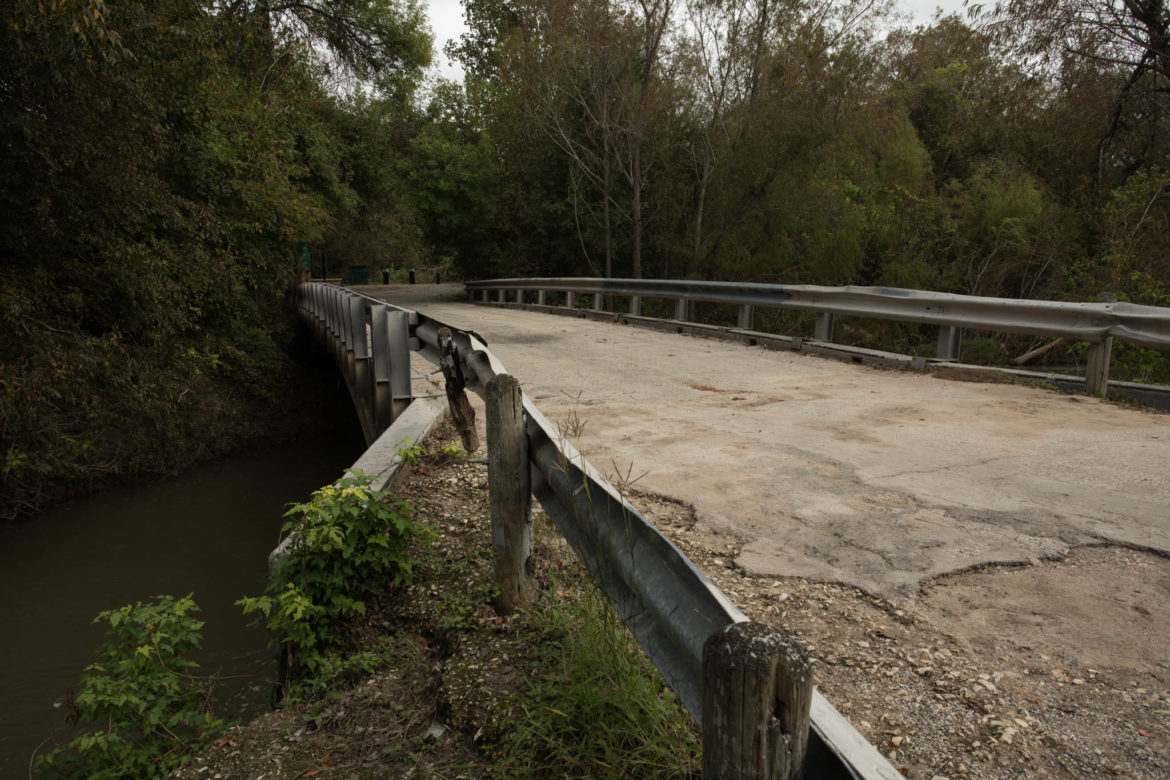
Donkey Lady Bridge is one of Texas’ best-known urban legend sites, but the real place behind the story is much quieter than the myth suggests. The bridge sits in south San Antonio near the Medina River and is tied to a long local folklore tradition about a burned, disfigured woman said to wander the area. What makes the site interesting is that there are really two stories here: the documented history of an old bridge in a historically important river corridor, and a separate folk legend that grew so famous it reshaped the identity of the place.
Where is Donkey Lady Bridge?
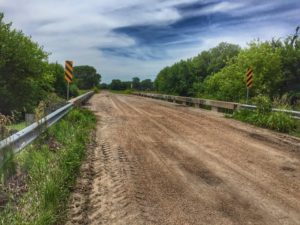
The bridge most people mean when they say “Donkey Lady Bridge” is the Old Applewhite Road Bridge in south San Antonio. Local reporting places it just north of the intersection of Jett and Old Applewhite roads, and the surrounding trail network is now part of the Medina River portion of the Howard W. Peak Greenway system. The nearest official public access point is through Medina River Natural Area, which the City of San Antonio lists at 15890 TX-16 and open from sunrise to sunset.
That location matters because the bridge is not sitting in some random backwoods dead end. It is in a corridor with deep South Texas history. The National Park Service notes that just west of the bridge is the Dolores-Applewhite Crossing, an important crossing along El Camino Real de los Tejas. Records point to consistent use of that crossing beginning in the 18th century, and the area preserves traces of wagon ruts and older travel routes.
The real history behind the bridge
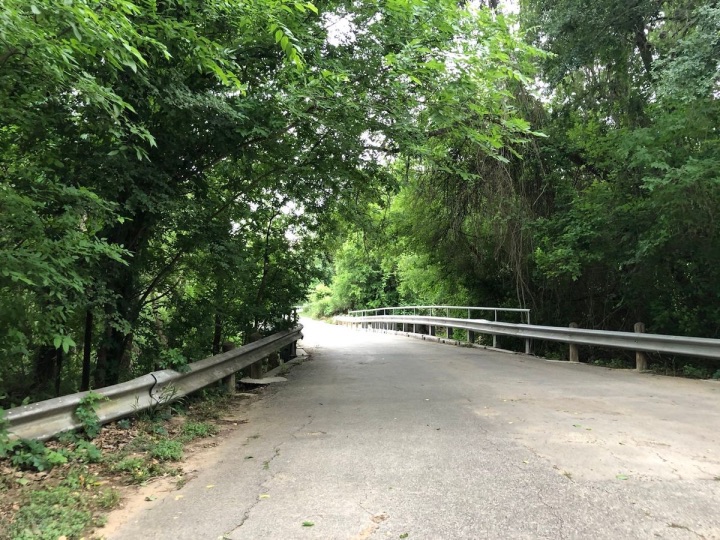
The bridge itself is much newer than the oldest history of the area. The Old Applewhite Road Bridge was built in 1917, according to local reporting, and later stopped serving vehicle traffic when a newer Applewhite Road bridge was built nearby in 2005. After that, the old span became part of the greenway and trail landscape instead of an active road crossing.
So the documented timeline looks roughly like this:
- The Medina River corridor was an important crossing area long before the modern bridge existed, with historical use tied to El Camino Real de los Tejas and regional settlement patterns.
- The bridge associated with the modern legend was built in 1917.
- The old bridge later became a trail feature after vehicular use ended and the surrounding area was folded into the modern greenway and natural area system.
That distinction is important because people sometimes speak about the bridge as if it dates back to frontier days. The setting does connect to much older Texas history, but the bridge most visitors know today is a 20th-century structure standing in a much older historic landscape.
The Donkey Lady legend
The legend itself is harder to pin down than the bridge. News coverage and folklore scholarship both note that there are multiple versions of the story, and no single, definitive origin has been established. In some tellings, a woman is horribly burned in a fire and left disfigured. In others, the violence comes from an angry mob or from a husband. In nearly every version, she becomes a terrifying figure tied to the bridge and nearby woods.
A folklore study published through Indiana University notes that accounts place the Donkey Lady story anywhere from around 1900 to the 1950s, with no definitive conclusion about when the supposed events happened or when the oral tradition truly began. That is a good reminder that this is folklore first, not settled historical biography.
That does not make the story unimportant. In San Antonio, the Donkey Lady became one of those legends that people inherit from older relatives, classmates, and neighborhood dares. Scholars describe trips to the bridge itself as a form of “legend-tripping,” where the visit becomes part of the folklore. In other words, the place stayed famous not because anyone proved the story, but because generations kept reenacting it.
Reported hauntings and encounters
This is where the folklore turns into the classic Donkey Lady dare. The recurring claims are usually some version of the following:
- hearing braying or strange animal-like cries in the dark
- seeing glowing eyes near the bridge or in the trees
- feeling something strike or jump onto a vehicle
- later finding marks, hoof prints, or other damage on the car
It is important to separate reported experiences from verified evidence. Publicly available sources document that these stories have circulated for years, but they do not establish paranormal proof. What they do establish is consistency: the same basic claims appear again and again in local retellings, media coverage, and folklore analysis. KSAT noted that although origin stories vary, the paranormal incidents reported at the bridge tend to sound very similar. The folklore paper likewise cites long-running claims involving honking, hearing sounds, and later discovering supposed hoof prints or other signs on vehicles.
One reason the legend feels unusually durable is that it spread beyond the bridge itself. San Antonio Report documented how the Donkey Lady legend even evolved into a hotline art project in 2018, showing that the figure had moved from roadside folklore into a wider piece of San Antonio cultural identity.
Why the story lasted
The Donkey Lady legend survived because it sits at the crossroads of place, fear, and repetition. It has a real bridge, a dark setting, a dramatic backstory, and a simple challenge people can pass along: go there at night, call out, honk, wait, and see what happens. Folklore scholars point out that this kind of retelling says as much about community anxieties and social storytelling as it does about ghosts.
There is also something distinctly South Texas about it. The story has been compared in cultural discussions to other regional legends such as La Llorona, with each retelling changing slightly depending on who is telling it and why. That flexibility is part of what kept the Donkey Lady alive in local memory.
Visiting Donkey Lady Bridge today
If you want to see the site for yourself, the safest and most legitimate approach is to treat it as a historic and natural area, not as a stunt location. The official public access is through Medina River Natural Area during posted hours. The bridge and surrounding landscape are better understood in daylight as part of a historically rich corridor along the Medina River.
The bottom line is this: Donkey Lady Bridge is real, old, and deeply woven into San Antonio folklore. The haunting is unverified, but the legend is absolutely real in cultural terms. That alone is why the bridge remains one of the most talked-about eerie places in Texas.
Please never trespass on property that is not yours without permission, and remember that ghost hunting can be dangerous, so always use caution.
Sources
- City of San Antonio, Medina River Natural Area:
- KSAT, “South Texas Haunted Folklore: The Tale of the Donkey Lady”:
- San Antonio Current, “Tracking the Donkey Lady beneath Donkey Lady Bridge”
Frequently Asked Questions
Where is Donkey Lady Bridge located?
Donkey Lady Bridge is located at Medina River Natural Area, 15890 TX-16, San Antonio, TX 78264.
Can you visit Donkey Lady Bridge?
Donkey Lady Bridge is open to the public. Always follow posted rules and respect private property.
Reader sightings
Nobody has reported anything here yet. If you have been, you would be the first.
Report your own visit to Donkey Lady Bridge in Texas: The Real History, the Legend, and the Reported Hauntings
How haunted is this place?
Be the first to rate
Ghost Tours Nearby
 San Antonio Haunted Ghost Bus Tourfrom $60
 San Antonio Haunted Pub Crawl – Ghosts, Drinks & Historic Barsfrom $35
 San Antonio Haunted History Ghost Tourfrom $32
Affiliate links: BeyondHaunted may earn a commission, at no extra cost to you.
Leave a Reply