
Reviewed by Josh N · Updated October 17, 2025 · How we verify
Reported Phenomena
- Disembodied voices
- Phantom footsteps
- Flickering lights
Reported by visitors & local legend. Stories, not verified claims.
Address: 10 Main Street, Ogunquit, Maine 03907
Phone: (207) 646-5511
Website: ogunquitplayhouse.org
Hours: Box office generally open 10 a.m.–5 p.m. (show season May–October)
A Broadway-Caliber Gem in Coastal Maine
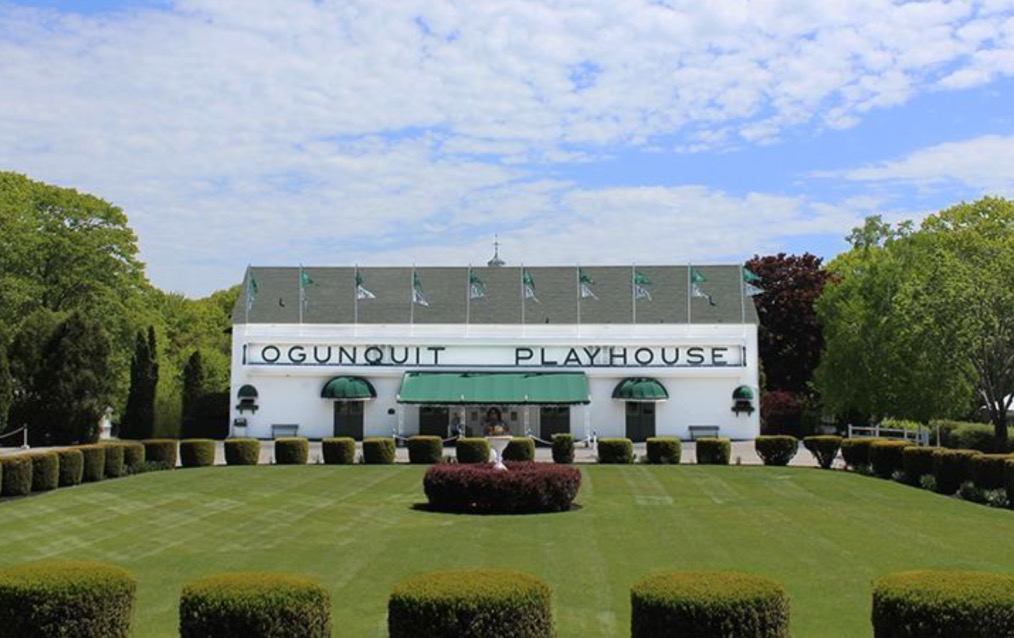
Tucked along U.S. Route 1 in the seaside town of Ogunquit, the Ogunquit Playhouse has been a beloved cornerstone of Maine’s performing arts for nearly a century. Built in 1937 and designed in Colonial Revival style by architect Alexander Wyckoff, the theater has hosted stars, locals, and visitors alike, earning its nickname as “America’s Foremost Summer Theatre.”
Founded by Walter and Maude Hartwig in 1933 (originally in a garage downtown), the Playhouse quickly became a hub of creativity. By 1937, it had moved into its permanent home, and over the years welcomed legends like Bette Davis, Sally Struthers, and Carson Kressley. It remains one of the last surviving “summer stock” theaters still operating in its original building, a rarity in American theater history.
In 1995, the Playhouse was officially listed on the National Register of Historic Places, a recognition that cements its cultural importance. But with that kind of longevity—nearly a century of laughter, tears, applause, and countless performances, it’s easy to imagine that not every spirit left the stage when the curtain fell.
Whispers From Behind the Curtain
Most stories surrounding Ogunquit Playhouse fall into that classic category of “theater ghost tales.” While there are no formal investigations on record, longtime staff, volunteers, and local enthusiasts have swapped eerie stories over the years, especially about what happens when the house lights go down and the audience has gone home.
According to locals, some believe the property may host the spirits of Revolutionary War soldiers. The claim likely stems from Ogunquit’s early colonial history rather than any direct tie to the Playhouse itself. Still, those who’ve worked late in the building swear that something or someone likes to wander the darkened halls.
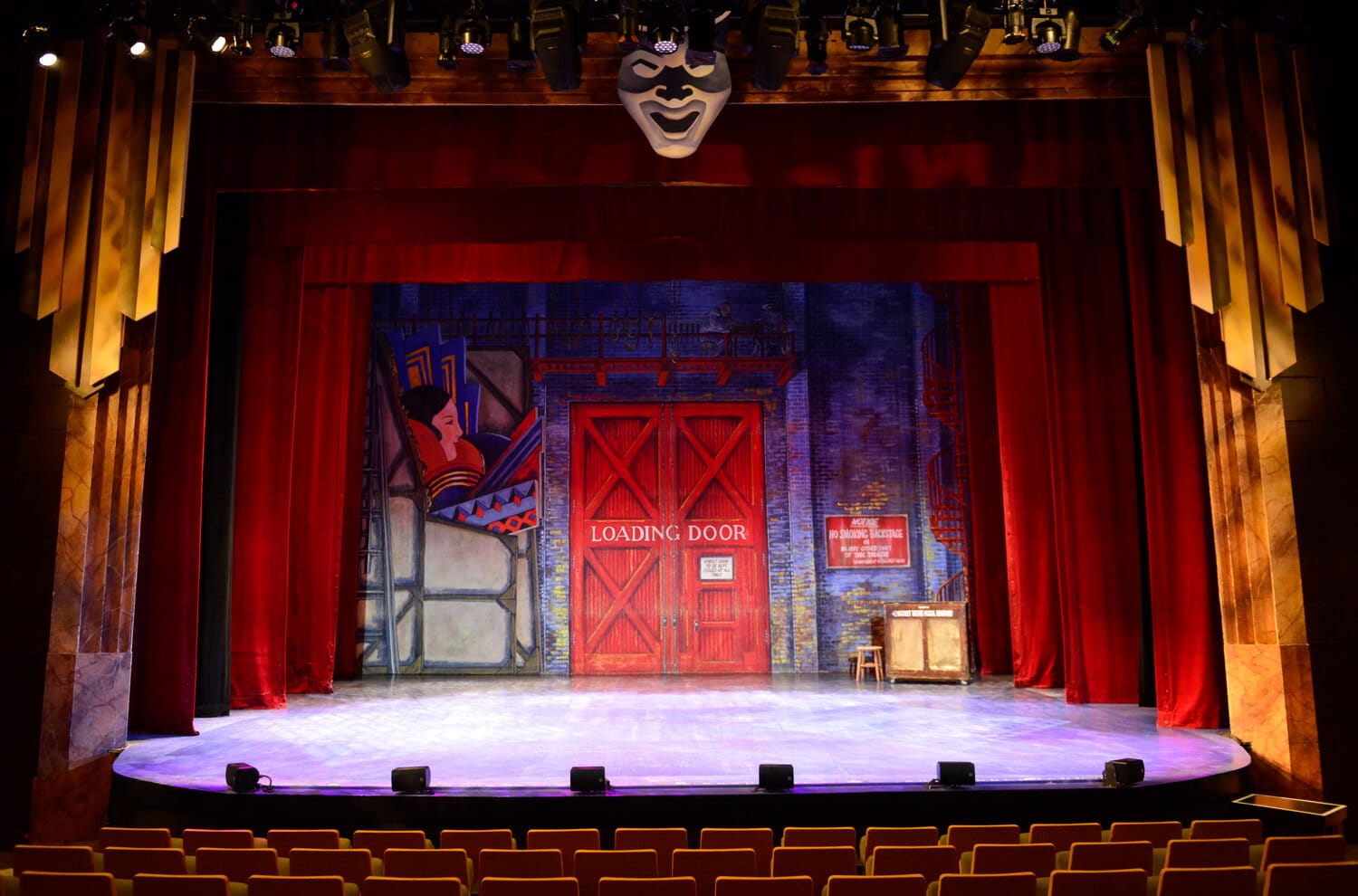
Stagehands have mentioned hearing footsteps on the stage long after everyone else has gone home. Others talk about flickering lights that refuse to stay off, or soft voices echoing in dressing rooms that are supposed to be empty. The phenomenon seems to center around the stage area and its “ghost light” the single bulb traditionally left burning when the theater is closed.
Even the Playhouse itself has leaned into the lore. In a lighthearted Facebook post, the staff once wrote, “The ghost light still shines on the Playhouse stage, keeping the theatre ghosts happy and contented while awaiting our return.”
A Walk Through the Haunted Shadows
If you ever find yourself inside after dark, it’s easy to understand why the stories persist. The building hums with history.
Imagine walking in through the front doors once the final curtain call has ended. The smell of sawdust and paint still hangs in the air. Costumes sit quietly on their racks, and the echo of applause feels almost tangible. The wooden floors creak beneath your shoes as you make your way backstage.
There, under the glow of that single ghost light, the stage looks both empty and alive. Rows of darkened seats stretch into the shadows, and you could swear you see movement in the upper balcony, just a shifting of air, perhaps. Or maybe not.
Several visiting performers over the years have described the same odd sensation: that they weren’t truly alone, even during solo rehearsals. One actress in the early 2000s reportedly refused to enter the stage alone after hearing what she described as a “soft laugh” behind her during a tech run. When she turned, no one was there.
A former stage manager once told a Maine radio interviewer that he would occasionally find props moved overnight, with no explanation. “It wasn’t spooky, exactly,” he said. “More like someone making sure everything was ready for showtime.”
Whether these stories are folklore or something more is up for debate, but they certainly add character to an already vibrant piece of Maine history.
Why Theatres Breed Ghost Stories
The Ogunquit Playhouse fits a familiar pattern: nearly every historic theater in America seems to have a resident ghost. Maybe it’s the energy left behind from decades of emotion, laughter, heartbreak, and applause all stored in the walls. Maybe it’s the late nights, the flickering stage lights, or the quiet after a performance when imagination is still in overdrive.
Whatever the reason, the Playhouse’s charm is undeniable. Whether you’re there for a Broadwa -caliber musical or simply curious about its whispers of the supernatural, there’s no denying that something about the place feels alive, even when it’s completely still.
Planning Your Visit
The Ogunquit Playhouse is open seasonally from May through October, with productions ranging from classic musicals to world premieres. It’s family-friendly, accessible, and a short walk from Ogunquit’s downtown shops and restaurants.
If you’re lucky enough to attend a show, linger for a moment after the applause fades. Watch that ghost light flicker. You might feel a chill, not from the sea breeze outside, but from the lingering presence of generations of performers who’ve never quite left the stage.
Always remember: Never trespass on private property or attempt to enter closed areas without permission. Ghost hunting can be dangerous, always use caution and respect the spaces you explore.
Sources
- Ogunquit Playhouse Official Site – History
- Wikipedia – Ogunquit Playhouse
- HauntedPlaces.org – Ogunquit Playhouse Listing
- Seacoast Online – Haunting Tales in Ogunquit
- Visit Maine – Haunted Inns & Lighthouses
- Ogunquit Playhouse Facebook Post, “The Ghost Light Still Shines” (2020)
Frequently Asked Questions
Where is Ogunquit Playhouse located?
Ogunquit Playhouse is located at 10 Main Street, Ogunquit, Maine 03907.
Can you visit Ogunquit Playhouse?
Ogunquit Playhouse is open to the public. Always follow posted rules and respect private property.
Reader sightings
Nobody has reported anything here yet. If you have been, you would be the first.
Report your own visit to Ogunquit Playhouse – The Historic Theater With a Hint of the Paranormal
How haunted is this place?
Be the first to rate
Ghost Tours Nearby

Affiliate links: BeyondHaunted may earn a commission, at no extra cost to you.
Nearby Haunted Locations
- 1The Kennebunk InnMaine11mi
- 2Chase House GhostsNew Hampshire14mi
- 3Isles of ShoalsNew Hampshire18mi
- 4The Haunted McLellan-Sweat Mansion in Portland, MaineMaine33mi
- 5The Chairs Outside the Courtroom at Alton Town HallNew Hampshire35mi
- 6Witches, Boulders and the Abandoned Village of DogtownMassachusetts43mi
Leave a Reply