
Reviewed by Josh N · Updated February 16, 2026 · How we verify
Reported Phenomena
- Shadow figures
- Disembodied voices
- Phantom footsteps
- Cold spots
- Slamming doors
- Sense of being watched
Reported by visitors & local legend. Stories, not verified claims.
Address: 525 S. Winchester Blvd., San Jose, CA 95128
Phone: (408) 247-2000
Website: https://winchestermysteryhouse.com
Hours: Open daily (typically 10 AM to 4 PM weekdays and 10 AM to 5 PM weekends; seasonal variations May to August; closed Thanksgiving and Christmas Day).
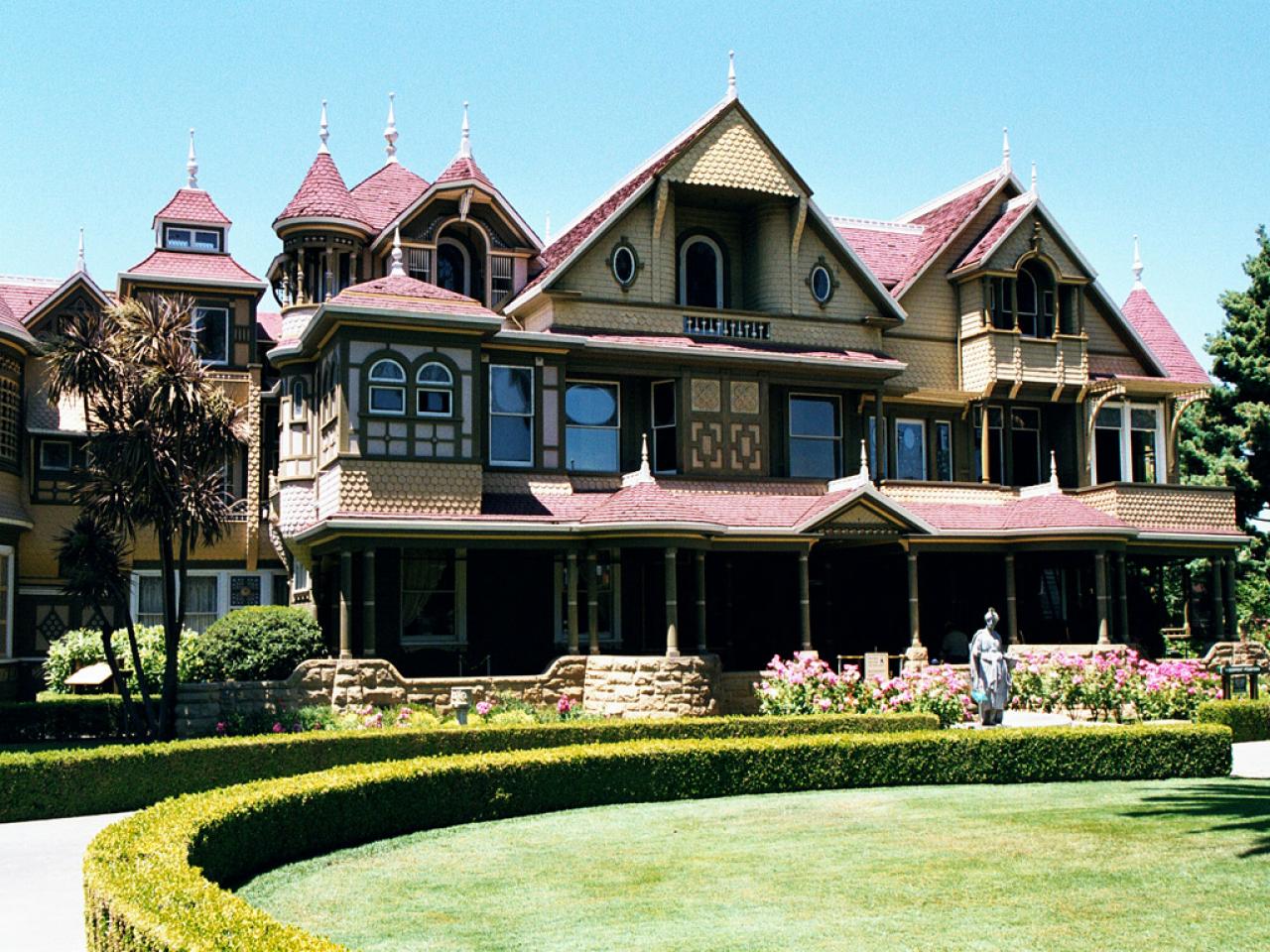
Few American landmarks sit at the crossroads of verified history and paranormal folklore quite like the Winchester Mystery House. The home is famous for its maze-like architecture, but it is the reported hauntings and long-running legends around Sarah Winchester that keep it on “most haunted” lists and on travelers’ must-see itineraries.
A quick, factual snapshot of the mansion
According to the attraction’s official history, the Winchester Mystery House in California grew from an eight-room farmhouse into a sprawling estate as construction continued for decades (commonly summarized as 1886 to 1922 on the official site).
Some of the headline stats, per the official history page:
- 24,000 square feet
- 160 rooms
- 10,000 windows
- 2,000 doors
- 47 fireplaces and 47 stairways
- 13 bathrooms and 6 kitchens
- 17 chimneys
The property is also recognized officially as California Historical Landmark No. 868 and was listed in the National Register of Historic Places on August 7, 1974.
Sarah Winchester: what’s documented vs. what’s legend
Sarah Winchester was the widow of William Wirt Winchester, associated with the Winchester Repeating Arms Company. Over time, an enduring story spread that she built continuously to appease spirits connected to Winchester rifles.
Modern historians and writers often push back on the “mad heiress running from ghosts” version. A widely shared reframing is that her move west and her extensive building projects can be understood through family ties, money, personal preference, and practical needs rather than a confirmed paranormal motive.
One big example of legend hardening into “fact” is the popular claim that Sarah held nightly séances in the house to receive building instructions from spirits. Skeptical summaries note there is no record of these séances and cite accounts that staff did not describe her as holding them, even though the story has become a staple of pop culture.
The 1906 earthquake and why some of the house feels “impossible”
The 1906 San Francisco earthquake plays a major role in why parts of the mansion feel disorienting today. Accounts of quake damage and subsequent changes are frequently cited as a practical explanation for sealed-off areas, abrupt transitions, and odd remnants that visitors interpret as intentional “tricks.”
Atlas Obscura’s reporting, for example, highlights how the site interprets the quake for visitors and how the physical evidence of that night still shapes the experience in certain rooms.
Reported hauntings at the Winchester Mystery House
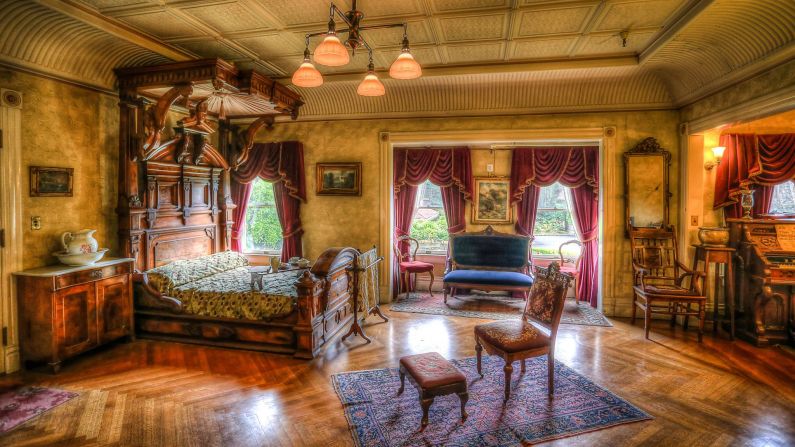
This is the heart of the Winchester story for many visitors: repeated claims of strange sights, sounds, and sensations in specific parts of the mansion. The important thing to keep straight is that these are reports and traditions, not laboratory-grade proof. Even the attraction’s own write-up labels them as “rumored hauntings,” while still noting that both guests and employees have described paranormal experiences over the years.
The “Wheelbarrow Ghost” and a worker often nicknamed “Clyde”
One of the best-known in-house stories is the so-called “Wheelbarrow Ghost.” The Winchester Mystery House’s own article places this tradition in areas like the grand ballroom and the basement, describing reports of a spectral worker associated with tasks like moving ash or coal and working around a fireplace. The same piece notes a worker figure often referred to as “Clyde” as a popular “resident” in the estate’s lore.
Why this story sticks: it ties directly to the reality that the house was a working construction zone for long stretches of time. That makes a “worker spirit” narrative feel plausible to believers, and it gives tour guides a specific character visitors can listen for or imagine in the darker, quieter spaces.
Footsteps, unexplained movement, and “someone else is here” moments
Across many haunted-location reports, a classic pattern shows up at Winchester too: footsteps when a person believes they are alone, and the feeling of being watched.
A particularly interesting account comes from Janan Boehme, the house’s historian, interviewed by Santa Clara University’s magazine. She describes hearing clear footsteps early in the day when nobody else was there, then finding no one upon checking.
In more general reporting, Realtor.com similarly summarizes longstanding visitor and staff claims of cold spots, footsteps, doors closing on their own, and the sensation of being watched, framing them as persistent reports even while acknowledging historians debate the larger ghost narrative.
Shadow figures and “did you just see that?” sightings
The Winchester Mystery House’s own “Rumored Hauntings” page explicitly includes shadow figures as one of the recurring categories of stories associated with the estate.
These are the types of claims that usually appear as quick flashes in peripheral vision, silhouettes at the end of a hall, or a momentary dark form on an upper level. It is also the kind of phenomenon skeptics often attribute to lighting, reflections, expectation, and the brain’s tendency to fill in missing information when you are already primed for a ghost story.
Smells, whispers, and house noises that feel personal
Some of the most common Winchester reports in skeptical summaries and popular write-ups include:
- whispering or odd voices
- slamming doors or windows
- odd sounds in hallways
- cooking smells
- temperature shifts and cold spots
Skeptical explanations note that large, older, drafty buildings naturally produce temperature variations and settling noises, and that a reputation for hauntings can make normal sounds feel meaningful.
Why so many people report paranormal experiences here
History.com makes a strong case for the psychology of haunted places: a confusing environment can make people more suggestible, and once a location is famous for ghosts, visitors arrive ready to interpret ambiguous sensations as supernatural.
Winchester is almost engineered for that effect, even if no one intended it that way. Tight corridors, unexpected turns, changing floor levels, and rooms with unusual acoustics can amplify the “something just happened” feeling.
Visiting today: what you can do on site
The Winchester Mystery House operates as a guided-tour attraction. It also offers official planning info on hours, parking, and directions, and it encourages visitors to check current tour times since closing times can vary.
If you want to lean into the paranormal angle, consider choosing tour options that include areas people associate most with the haunting lore (the basement is frequently mentioned in the “Wheelbarrow Ghost” tradition). If you are more history-first, the same site experience still works because the craftsmanship, the earthquake story, and the cultural mythmaking are genuinely fascinating even without a single ghost.
Always get permission before entering any property you do not own, and remember that ghost hunting can be dangerous, so use caution.
Sources
- Winchester Mystery House official site (address, phone): https://winchestermysteryhouse.com
- California Office of Historic Preservation (CHL and NRHP listing): https://ohp.parks.ca.gov/ListedResources/Detail/868
- History.com on why people believe the house is haunted (legend formation and psychology): https://www.history.com/articles/winchester-house-haunted
Frequently Asked Questions
Where is Winchester Mystery House located?
Winchester Mystery House is located at 525 S. Winchester Blvd., San Jose, CA 95128 .
Reader sightings
Nobody has reported anything here yet. If you have been, you would be the first.
Report your own visit to Winchester Mystery House in California: History, Legends, and Hauntings
How haunted is this place?
Be the first to rate
Ghost Tours Nearby
 San Jose Ghost Tour: The Scythe, Sacrifice, & Silhouettefrom $26
 Agnews Historic Park Personalized Self-Guided App Tourfrom $5
 San Jose Guided Walking App Guided Audio Tourfrom $20
Affiliate links: BeyondHaunted may earn a commission, at no extra cost to you.
Leave a Reply