
Reviewed by Josh N · Updated September 3, 2025 · How we verify
As Japan’s housing market tightens and property prices climb, stigmatized homes known as jiko bukken, or “misfortunate properties” have gained renewed attention. These are residences associated with suicide, murder, or deaths from loneliness where the body remained undiscovered for a period. Traditionally avoided due to cultural taboos, these homes are now being revived through a novel blend of paranormal investigation and real estate savvy.
What Are Jiko Bukken?
In Japanese real estate, jiko bukken refers to properties where a death occurred under distressing or socially isolating circumstances—suicides, homicides, fatal accidents, or solitary deaths (kodokushi). Due to Japan’s cultural beliefs Shinto notions of impurity (kegare) and spirits lingering from tragic ends—these properties often carry psychological stigmas that make them hard to sell or rent.
Legal Framework & Market Realities
Japan requires realtors to disclose if a death occurred in the property at least for the first tenant or buyer typically for up to three years after the incident. If a subsequent tenant lived there knowingly, the obligation to disclose may lapse.
These properties often suffer steep discounts: 5–10% off for natural or lonely deaths; 10–30% off for suicides; and up to 50% off for violent deaths or homicides.
Nevertheless, rising real estate values—driven by inflation and investor demand—have cast some jiko bukken in a new light as budget-friendly opportunities, especially in Tokyo’s competitive market.
Enter the Scientific Ghost-Clearing Service
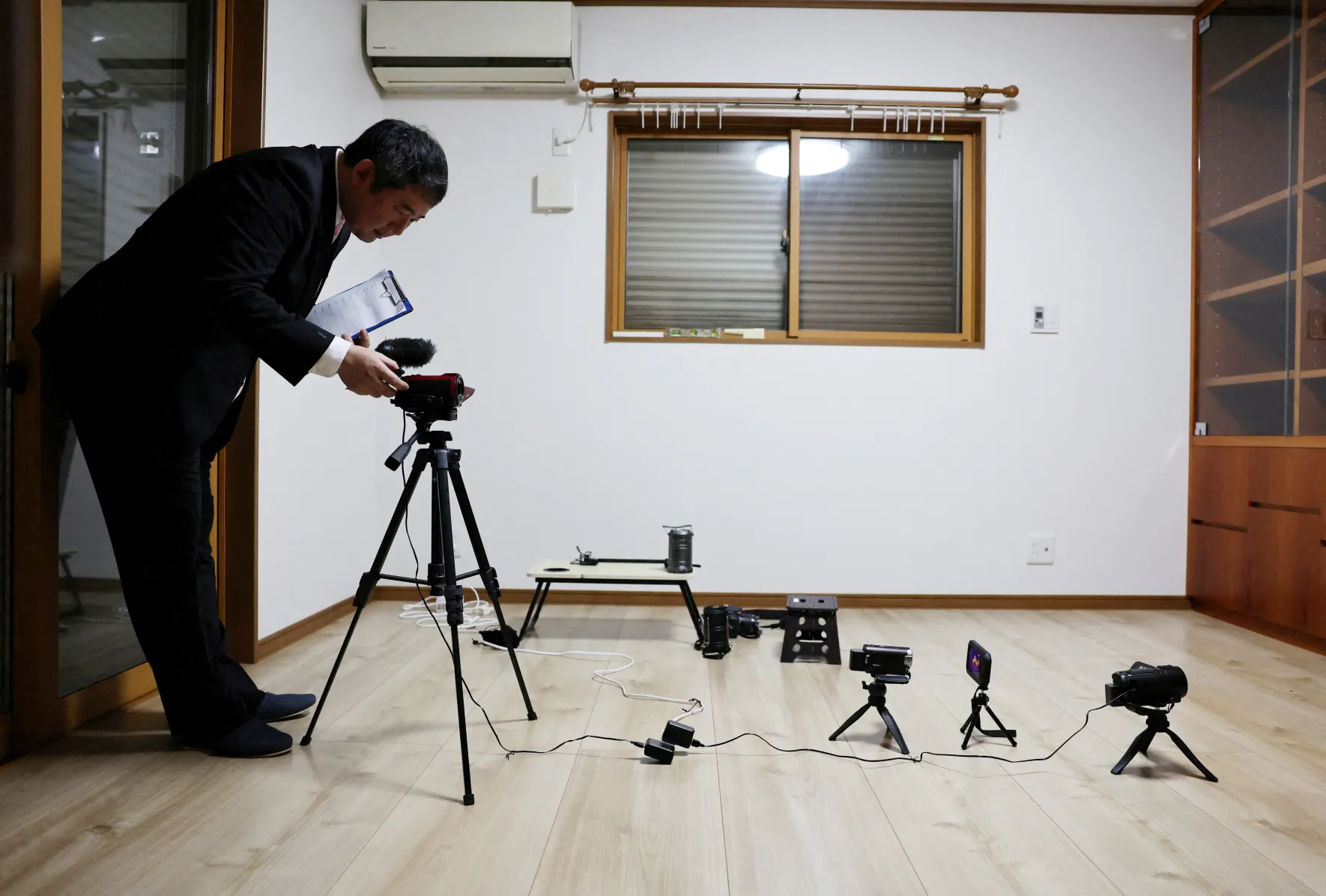
One trailblazer is Kazutoshi Kodama, founder of Kachimode. Over the past three years, he’s become a kind of “ghostbuster” for real estate, offering scientific investigations to certify a property “ghost-free”.
- Method: He stays overnight in the property—typically from 10 p.m. to 6 a.m.—monitored with equipment like video and thermal cameras, electromagnetic field meters, air pressure gauges, thermometers, and audio recorders. He notes readings hourly.
- Certificate: If no unexplained disturbances are detected, he issues a certificate declaring the property free from paranormal activity.
- Guarantee: For some clients, Kodama offers a refund—one million yen—if hauntings are later proven despite his certification.
Cultural Context and Motivations
Kodama sees his work as a way to counteract the psychological aversion that depresses rent and resale values for jiko bukken. By offering reassurance, he aims to help landlords and tenants alike reclaim the property’s market potential.
The Bigger Picture
- Scale of the issue: In Japan’s 2024 fiscal year, there were around 20,320 suicides with 70% occurring at home—and over 58,000 elderly dying alone. Conservatively, Kodama estimates that 35,000 to 40,000 residences annually become jiko bukken.
- Changing attitudes: While some remain uncomfortable—even with scientific assurances—others, particularly young homebuyers or foreign investors, are drawn by lower prices and less competition.
- Alternative rituals: Beyond Kodama, some firms and individuals address stigma through Shinto purification (oharai) and Buddhist ceremonies performed by priests or monks, aiming to spiritually cleanse the property and psychologically soothe potential occupants.
This glimpse into Tokyo’s “real ghostbusters”—with their thermal cameras and refund guarantees—shows how ancient beliefs, modern science, and a hot housing market intersect in unexpected ways.
Reader sightings
Nobody has reported anything here yet. If you have been, you would be the first.
Leave a Reply