
Reviewed by Josh N · Updated October 14, 2026 · How we verify
Reported Phenomena
- Figure in white
- Disembodied whispers
- Unexplained cold drafts
- Shadows in hallways
- Unexplained night noises
Reported by visitors & local legend. Stories, not verified claims.
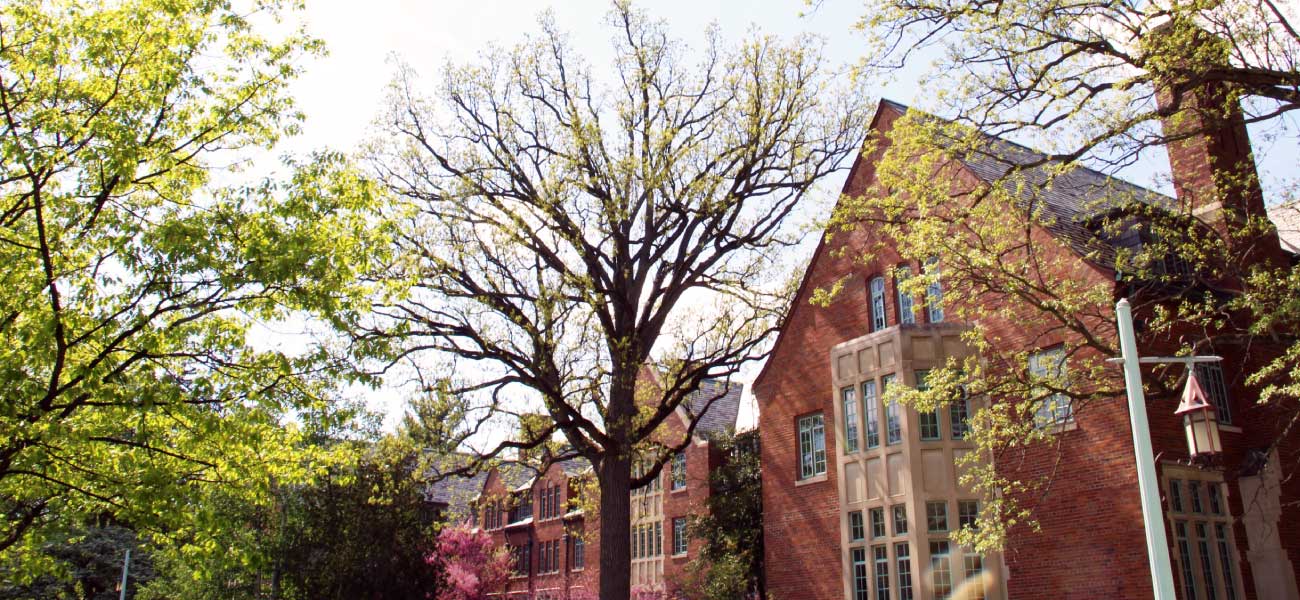
Few buildings on a Big Ten campus carry a ghost story as tidy as the one attached to Mary Mayo Hall, the Georgian Revival residence hall that has anchored the west side of the Michigan State University campus in Michigan since the 1930s. Generations of students have passed through its brick corridors, and a share of them have left with a story about footsteps in an empty hallway or a figure in white on the stairs. None of it is verified. All of it is persistent, which is a different thing and worth understanding before deciding whether the building is worth your time.
Quick Facts About Mary Mayo Hall
- Built: 1931, during a period of rapid expansion at Michigan State University
- Architects: Smith, Hinchman & Grylls
- Style: Georgian Revival, red brick with white limestone detailing
- Original use: women’s dormitory
- Named for: Mary Mayo, advocate for women’s education
- Current use: student residence hall
The Woman the Hall Was Named For
Mary Mayo was a forceful advocate for women’s education in the late nineteenth and early twentieth centuries, and her work helped push Michigan State University toward dedicated educational facilities for women. That advocacy is why her name went on the building, and it is the historical fact at the center of the folklore. Naming a women’s dormitory after a woman who fought to get women onto the campus in the first place is a neat piece of institutional memory. It also gave the ghost story a ready-made protagonist, which is almost always how campus legends acquire a name.

It is worth stating plainly: there is no record presented in the hall’s history connecting Mayo’s death to the building, and the identification of any apparition as Mayo herself is student tradition rather than documentation.
Brick, Limestone and Long Corridors: The 1931 Building
The hall opened in 1931, designed by Smith, Hinchman & Grylls, a firm with a long record of institutional work. The Georgian Revival vocabulary was deliberate: red brick, white limestone trim, symmetry, a look meant to read as permanent and dignified rather than fashionable. Large windows pull daylight deep into the interior, and the building’s proportions give it the settled, slightly formal air that much of the older MSU campus shares.
Those same features matter to the ghost reports. Old masonry buildings with tall windows, long corridors and steam heat produce drafts, temperature swings and sound that travels strangely. A hall full of eighteen-year-olds at two in the morning supplies the rest.
What Students Say Happens Inside Mary Mayo Hall
The reported phenomena are consistent across decades of retelling, which is itself a feature of campus lore rather than evidence of anything:
- Whispered conversation heard in rooms that turn out to be empty
- Sudden cold drafts with no obvious source
- Fleeting shadows moving along the hallways
- Unexplained noises at night, from knocks to indistinct movement overhead
- A figure in white, traditionally identified by students as Mary Mayo
These are anecdotes shared between residents, passed down from one class to the next and polished in the retelling. No incident at the hall has been independently substantiated, and the accounts are reported experiences, not established events.
Skeptics, Investigators and the Problem With Old Dormitories
The stories have drawn both paranormal investigators with equipment and skeptics with questions. Researchers who approach the hall conventionally point to the usual suspects: electromagnetic fields, building acoustics, the behavior of air and sound in a large masonry structure. Others argue that the volume and consistency of the accounts suggest something not yet explained. Neither camp has produced anything that settles the matter, and anyone telling you otherwise is selling something.
Visiting Mary Mayo Hall in East Lansing
Set expectations accordingly. Mary Mayo Hall is a working student residence, not a museum, and the interior is primarily for residents and their guests. The Michigan State University campus itself is open, so the realistic visit is an exterior one: walk the grounds, look at the brickwork and limestone, and understand the building as a surviving piece of the university’s interwar expansion and of its slow, contested opening to women students. Anyone hoping to wander the upper floors at night should remember that the hall is somebody’s home first, and the legend is a distant second.
Address: 361 Delta Court
Sources
- Michigan Women's Hall of Fame
- The Michigan Women's Studies Association, Inc.
- Nominations open for Hall of Fame
- Hall of Fame Timeline
- Michigan Women Forward Announces 2023 Women's Hall of Fame Inductees, Four Women to be Honored at Induction Ceremony on Dec. 6
- Wikipedia: Michigan Women's Hall of Fame
Frequently Asked Questions
Where is Mary Mayo Hall Michigan State University located?
Mary Mayo Hall Michigan State University is located at 361 Delta Court.
Can you visit Mary Mayo Hall Michigan State University?
Mary Mayo Hall Michigan State University is open to the public. Always follow posted rules and respect private property.
Reader sightings
Nobody has reported anything here yet. If you have been, you would be the first.
Report your own visit to The Lady in White of Mary Mayo Hall at Michigan State
How haunted is this place?
Be the first to rate
Ghost Tours Nearby

Affiliate links: BeyondHaunted may earn a commission, at no extra cost to you.
Leave a Reply