
Reviewed by Josh N · Updated March 19, 2026 · How we verify
Reported Phenomena
- Spectral figures
- Cold spots
- Flickering lights
- Objects moving
- Unexplained sounds
Reported by visitors & local legend. Stories, not verified claims.
Address: 210 E Vistula St, Bristol, IN 46507
Phone: Ticket line (574) 848-4116, business line (574) 848-5853
Website: Elkhart Civic Theatre official site
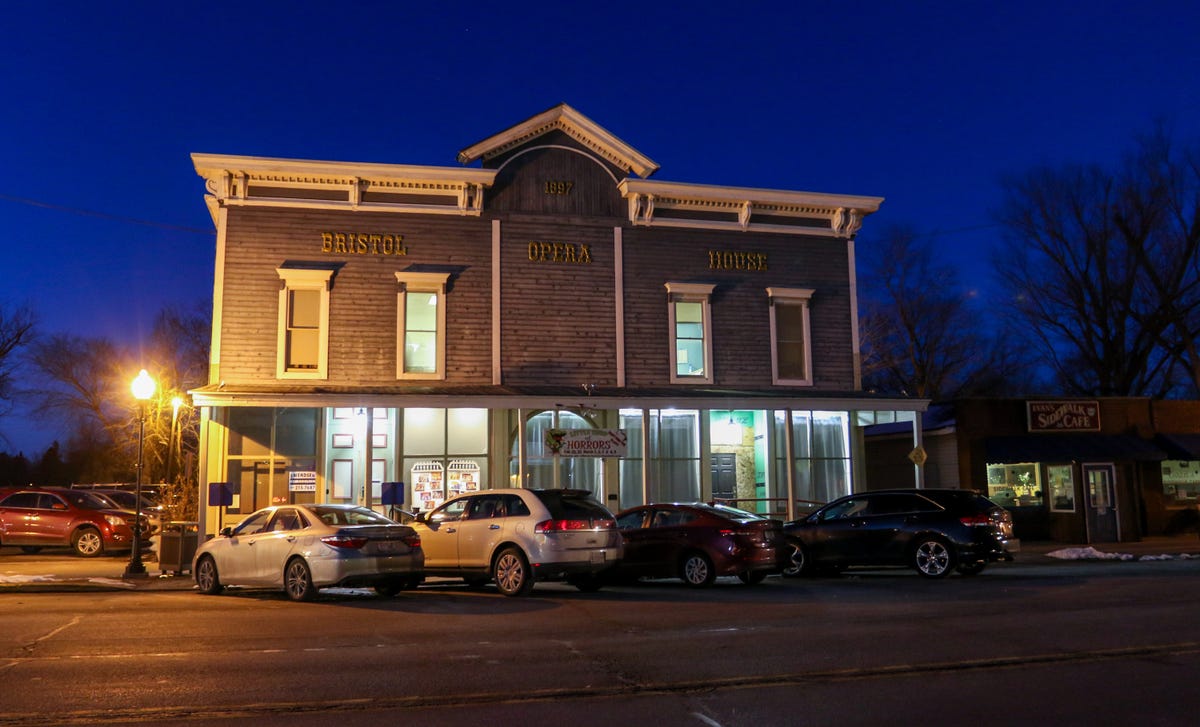
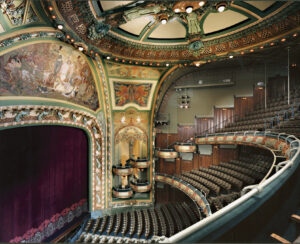
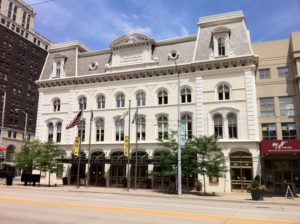
Elkhart Civic Theatre is one of those places where the real history is strong enough to stand on its own, even before the ghost stories begin. The company’s current home is the Bristol Opera House in Bristol, Indiana, not downtown Elkhart, and that old building is where the haunted reputation comes from. Official theatre history traces the organization back to Elkhart Little Theatre, which began in a former carriage house behind the Four Arts Building, later moved to the old YWCA, and eventually became Elkhart Civic Theatre before finding a long-term home in Bristol.
The real history behind Elkhart Civic Theatre
The Bristol Opera House itself dates to 1897. Regional historical sources credit its construction to brothers Cyrus and Horace Mosier, and note that its opening production was U.S.S. Pinafore. Before World War II, the building had several lives beyond live theater, serving at different times as a music hall, a cinema, and even a skating rink. By 1940, it had reportedly deteriorated badly enough that it was considered unsafe except for storage.
That is where Elkhart Civic Theatre enters the story in a big way. The company’s official history says the group eventually found the old opera house in Bristol in poor repair but full of promise, and members restored it through what the theatre itself describes as a labor of love. A recent WSBT profile adds an important detail to that timeline, reporting that Elkhart Civic Theatre obtained the building in 1961 and staged its first show there in July of that year.
That rescue matters because the haunted reputation is inseparable from the building’s survival. If the theatre company had not stepped in, the Bristol Opera House likely would have disappeared instead of becoming one of northern Indiana’s best-known historic performance spaces. Even now, Elkhart Civic Theatre continues to use it as its main stage and remains a major part of the local arts scene. Visit Elkhart County describes it as a nationally recognized company producing more than a dozen plays, musicals, and events each year, most of them in the historic opera house.
Why people call it haunted
The haunting claims attached to Elkhart Civic Theatre come mostly from regional legend, paranormal writeups, and local folklore coverage, not from official theatre history. That distinction matters. There is a difference between a documented building history and a long-running ghost tradition, and the Bristol Opera House has both. ABC57 included the Bristol Opera House among the featured sites in its coverage of Mark Doddington’s Haunted Elkhart County, which shows the location has a real place in local paranormal storytelling.
The most repeated legend centers on a handyman spirit usually called Percival or Percy. In paranormal accounts, he is blamed for missing tools, misplaced props, electrical trouble, strange noises, cold spots, and even physical interactions with performers. Dread Central’s long-form piece on the opera house says actors and crew have associated Percival with backstage disturbances and with the right-side aisle of the theater, while Indiana Haunted Houses summarizes reports of objects flying off shelves and small items seeming to levitate.
Other stories mention additional apparitions. Dread Central says performers have reported seeing a little girl peering from behind stage-left curtains, while another female presence, nicknamed Helen in some retellings, is described as more watchful than threatening. Later retellings in other outlets repeat similar themes, including cold spots, strange noises, and unexplained glitches during productions.
The folklore gets murkier the closer you look
One reason the Elkhart Civic Theatre haunting story feels like real folklore is that some details shift depending on who is telling it. In one account, Percival’s family is said to have lost their home in a fire and been taken in by the opera house owners. In another, he is described as living in the basement with his family after eviction during the Depression. Those are not the same origin story, and that inconsistency is a good reminder that the ghost narrative is legend, not settled historical fact.
That does not make the stories uninteresting. In many ways, it makes them more revealing. Old theaters are almost built for this kind of lore. They are full of dark wings, hidden corners, backstage rituals, shared superstitions, and generations of actors passing down stories. At the Bristol Opera House, the building’s age and survival story give the legends extra staying power. That is an inference based on the theatre’s documented age, changing uses, and long volunteer tradition.
Is Elkhart Civic Theatre actually haunted?
The honest answer is that the Bristol Opera House has a strong haunted reputation, but the evidence is anecdotal. There are repeated claims of cold spots, apparitions, tool mishaps, flickering lights, and backstage oddities, yet those stories sit in the realm of witness testimony and regional lore rather than verified proof. If you enjoy haunted history, that still makes Elkhart Civic Theatre a fascinating stop because the building has both a documented past and a deeply rooted paranormal legend attached to it.
Visiting Elkhart Civic Theatre today
Whatever you think about ghosts, the site remains a working public theatre. The official ticket line operates on weekdays, and tickets can also be purchased online or in person before performances. WSBT reported in March 2026 that after water damage from a burst pipe the previous spring, the community helped the theatre raise nearly $30,000 for repairs, which says a lot about how valued the venue still is. Haunted or not, this is very much a living theatre, not a frozen relic.
Please never trespass on property that is not yours without permission, and remember that ghost hunting can be dangerous, so always use caution.
Sources
Elkhart Civic Theatre, Our History.
Visit Elkhart County listing for Elkhart Civic Theatre.
Indiana Memory, Bristol Opera House entry.
Frequently Asked Questions
Where is Elkhart Civic Theatre located?
Elkhart Civic Theatre is located at 210 E Vistula St, Bristol, IN 46507.
Can you visit Elkhart Civic Theatre?
Elkhart Civic Theatre is open to the public. Always follow posted rules and respect private property.
Reader sightings
Nobody has reported anything here yet. If you have been, you would be the first.
Report your own visit to Elkhart Civic Theatre Haunted History: Ghost Stories of Indiana’s Bristol Opera House
How haunted is this place?
Be the first to rate
Leave a Reply