
Reviewed by Josh N · Updated March 30, 2026 · How we verify
Reported Phenomena
- Spectral figures
- Shadow figures
- Cold spots
- Screams & cries
- Unexplained sounds
Reported by visitors & local legend. Stories, not verified claims.
Address: 1982 SW Villanova Road, Port St. Lucie, FL 34953
Phone: 772-878-2277
Hours: 7 a.m. to sunset
Official park page: City of Port St. Lucie
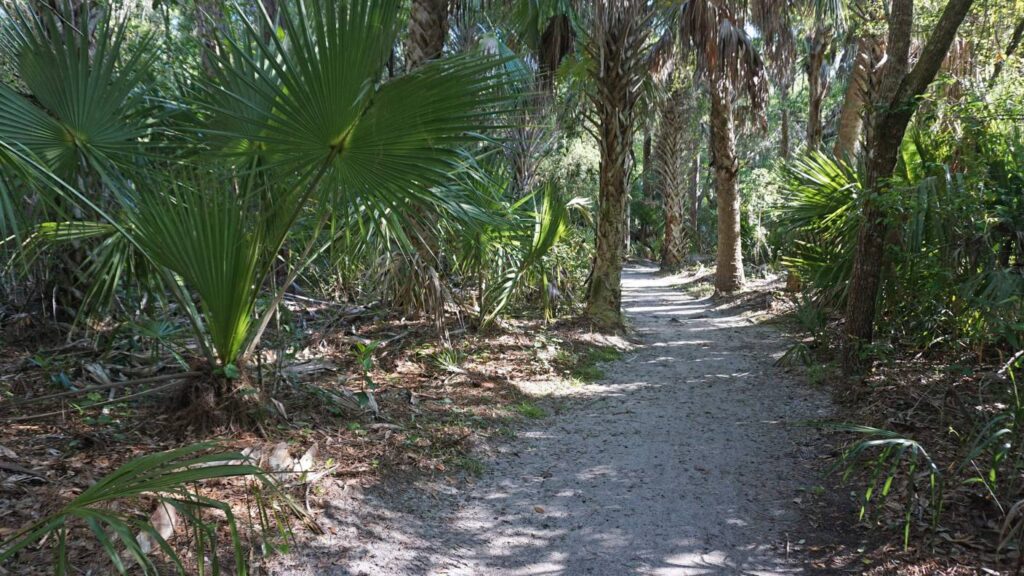
Oak Hammock Park is one of those Florida locations where a perfectly normal public park sits on top of a deeply unsettling local legend. Today, it is a 48.7 acre city park with walking trails, fishing access, a playground, a pavilion, and a boat ramp along the C-24 Canal. The city says it was established in 2000, and the park now includes about three miles of trails through oak and palm hammocks.
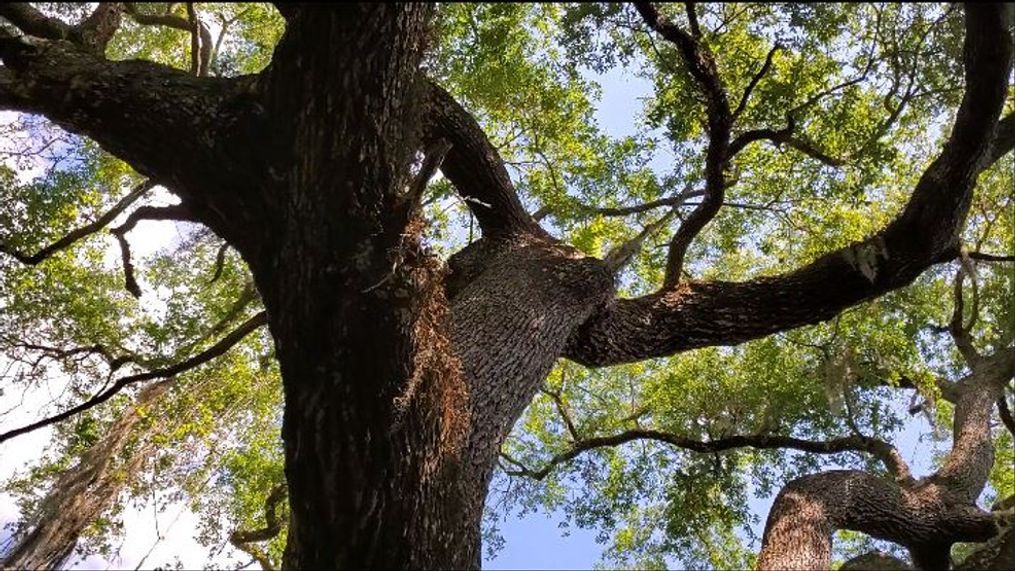
But Oak Hammock Park is not famous because of its trails. It is famous because of the story attached to one live oak in the woods, a tree many locals call the Devil’s Tree. That reputation comes from a real and horrifying crime history tied to the area, then layered over time with folklore, ghost stories, and urban legend.
The real history behind Oak Hammock Park
The darkest part of Oak Hammock Park’s story is not a myth. It is tied to Gerard John Schaefer, a former law enforcement officer later known as the “Killer Cop.” According to reporting summarized by News 6, Schaefer abducted young women, and Susan Place, 17, and Georgia Jessup, 16, were killed in 1972. Their remains were later discovered in the Port St. Lucie area in April 1973, and Schaefer was ultimately convicted in their deaths and sentenced to life in prison in 1973.
That true crime history is what gave the location its terrible reputation. News 6 reported that the site was once much more rural and heavily wooded, which made it isolated at the time. Over the years, as Port St. Lucie grew and the area around the park developed, the story stayed alive. What had once been a remote, wooded place became a neighborhood park with a grim backstory that locals never quite forgot.
What Oak Hammock Park is like today
If you visit Oak Hammock Park now, you are walking into a public city park, not some abandoned ruin. The city lists a canal boat ramp, fishing piers, a large pavilion, a fenced playground, a butterfly garden, and dog walking areas, along with the wooded trail system that gives the park its atmosphere. That contrast is part of what makes the place so striking. In daylight, it looks like a scenic local park. Once you know the history, the wooded sections feel very different.
The park’s layout also helps explain why the legend has endured. The wooded trails, thick vegetation, and old oak growth naturally create a more secluded feel than a typical neighborhood park. Even recent reporting from News 6 described the infamous tree as sitting in a small clearing, with large, gnarled limbs that make an immediate impression on visitors.
The Devil’s Tree legend
This is where fact and folklore begin to separate.
For years, the best known story attached to Oak Hammock Park has been that one tree in the park is cursed or haunted. Local legend says the tree cannot be destroyed, that attempts to cut it down failed, and that people who tamper with it meet bad luck. Other stories claim figures in cloaks, ritual activity, strange noises, dark apparitions, and screams have been reported around the area. Folklore retellings have also repeated claims about a haunted women’s restroom and unexplained activity after dark.
Mark Muncy, quoted by Boca Raton Magazine and News 6, described the Devil’s Tree story as so effective because it combines something real with the folklore built on top of it. That is probably the clearest way to understand Oak Hammock Park. The crime history is real. The paranormal layer is what locals, storytellers, and ghost enthusiasts have added over time.
The most important fact people get wrong
One of the biggest surprises in the Oak Hammock Park story is that the City of Port St. Lucie told News 6 that the tree most people currently identify as the Devil’s Tree is not the tree associated with the murders and body discovery from the early 1970s. The city also said it has not tried to remove the tree in the past 25 years, and that the story about workers dying in a crash after trying to cut it down is “100% urban legend.”
The city did confirm that unknown people damaged and defaced the tree over the years, including chopping bark off the trunk and setting a small fire. According to the city’s communications director, the cavity that visitors now see filled with cement was part of protecting the tree after fire damage and preventing rot, not proof of some supernatural failed execution attempt.
That does not make the place any less eerie. In some ways, it makes it more interesting. Oak Hammock Park is a rare case where the legend became so powerful that it partly detached from the original facts. The haunting story is still alive, but the city’s explanation shows how much of the current Devil’s Tree mythology belongs to folklore rather than verified record.
Are there true ghost encounters at Oak Hammock Park?
There are many reported experiences, but I could not verify a documented paranormal case from an official investigation that proves Oak Hammock Park is haunted. What does exist is a long chain of recurring local claims. Those claims include screams near the tree, dark figures in the woods, ritual activity, odd noises, cold spots, restroom stories, and electronics or cameras acting strangely. These reports appear in folklore coverage and paranormal retellings, not in official city findings.
So the honest answer is this: Oak Hammock Park has a true crime history that is absolutely real, and it has a haunting reputation that is deeply rooted in local legend. Whether you think the park is truly haunted depends on how much weight you give to repeated witness stories versus documented evidence.
Why Oak Hammock Park still fascinates people
Oak Hammock Park stands out because it is not just a ghost story. It is a public park built around a location already burdened by a brutal past. That alone gives it a gravity many so called haunted places do not have. The legend survives because people feel the tension between what the park is now and what happened there before.
For Beyond Haunted readers, that is what makes Oak Hammock Park worth covering. It is scenic, ordinary, and accessible on the surface. Underneath that, it is one of Florida’s clearest examples of how true crime can evolve into folklore, and how folklore can eventually overshadow the facts. Whether you go for the trails, the history, or the legend of the Devil’s Tree, Oak Hammock Park remains one of Port St. Lucie’s most unsettling locations.
Never trespass on property that isn’t yours without permission, and ghost hunting is dangerous so always use caution.
Sources
- City of Port St. Lucie, Oak Hammock Park.
- Boca Raton Magazine, “Paranormal Historian Mark Muncy Talks the Devil’s Tree.”
- Tripping on Legends, “The Legend of the Devil’s Tree in Port St. Lucie.”
- Treasure Coast Newspapers archive on Gerard Schaefer and the Place-Jessup case.
Frequently Asked Questions
Where is Oak Hammock Park located?
Oak Hammock Park is located at 1982 SW Villanova Road, Port St. Lucie, FL 34953.
Can you visit Oak Hammock Park?
Oak Hammock Park is open to the public. Always follow posted rules and respect private property.
Reader sightings
Nobody has reported anything here yet. If you have been, you would be the first.
Report your own visit to Oak Hammock Park and the Devil’s Tree: The True Story Behind Port St. Lucie’s Haunted Legend
How haunted is this place?
Be the first to rate


Leave a Reply