
Reviewed by Josh N · Updated October 13, 2025 · How we verify
Reported Phenomena
- Spectral figures
- Shadow figures
- Disembodied voices
- Phantom footsteps
- Cold spots
- Slamming doors
- Sense of being watched
Reported by visitors & local legend. Stories, not verified claims.
Address: CT-12 (Route 12), Preston & Norwich, Connecticut 06365
Status: Closed (since October 10, 1996). The grounds are part of the planned Preston Riverwalk redevelopment; access is restricted and patrolled. Recent structural fires were reported in July 2025 and October 7, 2025.
Why Norwich State Hospital still grips New England
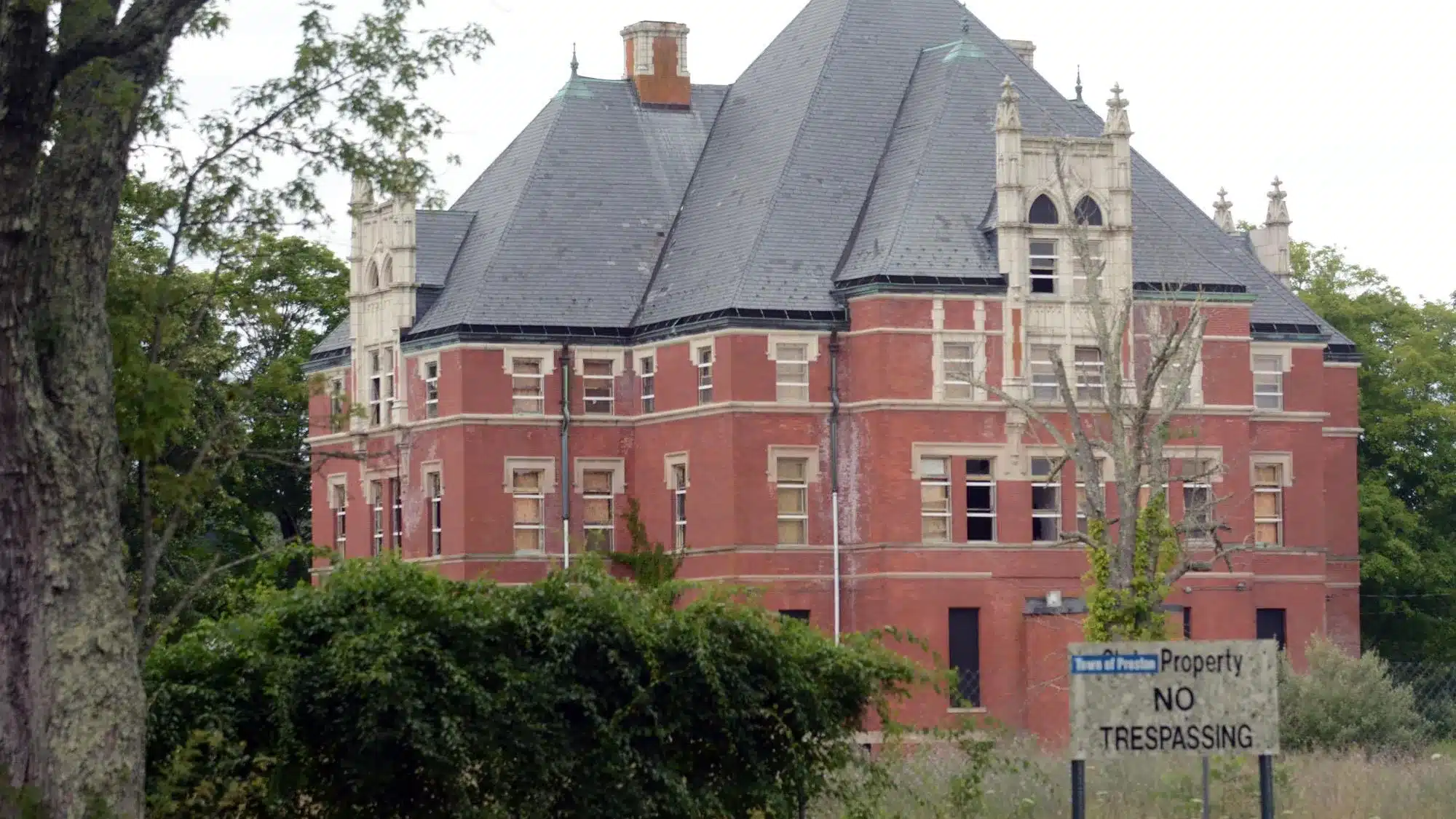
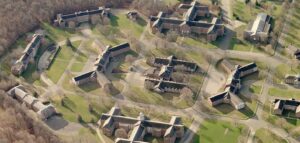
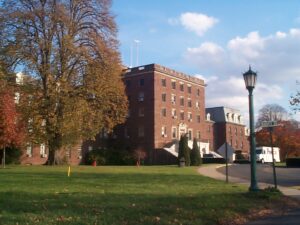
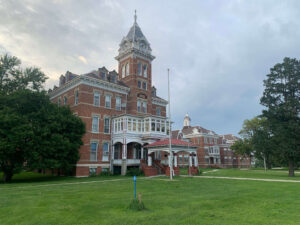
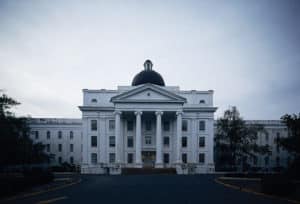
Set high on a terrace above the Thames River, Norwich State Hospital (originally “Norwich State Hospital for the Insane”) opened in October 1904 and grew into a vast campus of more than 30 buildings spread across hundreds of acres. By mid-century it held over 3,000 patients, with a warren of underground tunnels knitting wards, a powerhouse, a theater, staff housing, and workshops into a self-contained world. The hospital finally closed in 1996, and the story didn’t end. Demolition, redevelopment, and waves of paranormal interest have kept Norwich in the headlines ever since.

A deep dive into the history
Founding and early growth (1900s–1930s)
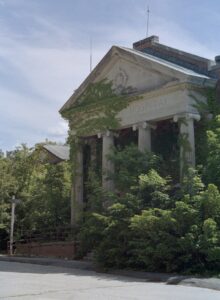
Connecticut chartered Norwich as the state’s second mental institution to relieve crowding at Connecticut Hospital for the Insane (today’s Connecticut Valley Hospital). The site straddled the Norwich/Preston line along Route 12. After opening with 95 patients and a single building in 1904, the campus expanded rapidly; by the late 1910s it included medical and surgical wards, physicians’ cottages, a laboratory, an employees’ club, a bakery and kitchen, barns and greenhouses, designed largely in Colonial Revival and Late Gothic Revival styles by the local firm Cudworth & Woodworth.
By the early 1930s, more than twenty buildings stood here, and the patient population kept climbing. Norwich also took in specialized populations at different times, including tuberculosis patients (1931–1939) in separate facilities on the grounds.
Peak years and controversial treatments (1940s–1950s)
Like many U.S. state hospitals of the era, Norwich adopted then-standard but now-controversial treatments. Contemporary summaries and local histories document electro-convulsive therapy (ECT) and prefrontal lobotomiesintroduced during the 1940s; staffing shortages and overcrowding drew scrutiny and periodic state investigations. In 1955, Norwich recorded its peak census, 3,184 patients, before gradual declines began.
Connecticut’s broader eugenics policies (early- to mid-20th century) also touched institutional settings; state level research shows hundreds sterilized statewide through 1963 under various laws and practices. While those figures are statewide (not hospital-specific), they form the medical and social context in which Norwich operated.

Decline, closure, and afterlife (1960s–present)
Deinstitutionalization, new patient-rights laws, and budget pressures gradually emptied wards. In 1961 the name shortened to Norwich Hospital; through the 1970s and 1980s operations consolidated into fewer buildings (Kettle, Seymour, Gallup, Russell, Ribicoff, Administration). On October 10, 1996, Norwich closed and remaining patients transferred to Connecticut Valley Hospital.
After multiple failed sales, the state transferred about 390 acres to the Town of Preston in 2009 (for $1) with environmental obligations. In 2016 the Mohegan Tribe and Preston announced the Preston Riverwalk concept (non-gaming mixed-use, with the historic Administration Building slated for preservation). Demolition and remediation proceeded in phases; many service tunnels were collapsed for safety.
The property remains in flux. Firefighters responded to blazes on the grounds in July 2025 and again on October 7, 2025; no injuries were reported, but the incidents underline why the site is closed to the public.
What we found especially compelling about the campus
- A city unto itself: power plant, theater/dance hall, chapel, farm structures, labs, and staff cottages, evidence of the self-sufficiency that defined early-20th-century asylum design.
- Architecture with intent: curving drives and stand-off spacing reflected therapeutic ideals of fresh air, light, and order, even as reality often fell short under crowding.
- The tunnel network: built primarily for utilities and weather protected movement, the tunnels later became the focus of urban exploration lore and many modern ghost claims.

Reported paranormal activity
Norwich’s reputation among investigators is substantial, thanks to a century of patient deaths, isolation wards, and the hospital’s forensic history.
Common Paranormal Claims at the Norwich State Hospital
Visitors and former explorers have reported:
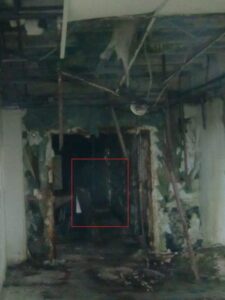
- Shadow figures and apparitions in ward corridors and stair towers
- Disembodied voices, footsteps, and slamming doors
- Sudden temperature drops and the sense of being watched in tunnels and basements
These patterns echo the stories repeated by TV crews and urbex chroniclers over the last two decades.
Locations people talk about most
- Salmon Building (male forensic ward): often cited as a hotspot given its history with patients adjudicated “not guilty by reason of insanity.” (The structure itself has seen significant demolition; present conditions vary.)
- Lippitt & medical spaces: associated in lore with procedure rooms and ECT; some accounts point to lingering “heavy” atmospheres on upper floors. (Treatments at Norwich in the 1940s are documented in local historical sources; individual room claims are anecdotal.)

Documented investigations & media
- Ghost Hunters (Syfy/TAPS), Season 6, Episode 10 — “Norwich State” (aired May 5, 2010): Jason Hawes and Grant Wilson finally secured official access to Norwich State Hospital; the episode highlights shadow reports, door movements, and voices in several buildings. (Streaming listings and the show’s recap remain available.)
- Norwich has also appeared in popular photo essays and abandonment chronicles that helped cement its haunted reputation online.
Can you investigate Norwich today? No. The grounds are not open for public investigations. They are under redevelopment oversight with security patrols, and recent fires have intensified safety enforcement.
Timeline at a glance
- 1904: Hospital opens with 95 patients
- 1930s: Campus exceeds 20 buildings; tunnels expand
- 1940s–1950s: ECT and lobotomies documented; 1955 peak census 3,184
- 1961: Renamed “Norwich Hospital”
- 1970s–1980s: Consolidation into fewer buildings
- Oct 10, 1996: Hospital closes; patients transferred to Connecticut Valley Hospital
- 2009: State sells much of the site to Preston
- 2016: Mohegan Tribe & Preston announce Preston Riverwalk plan
- 2011–2014+: Waves of demolition/remediation; many tunnels collapsed
- July & Oct 7, 2025: Separate fires on the grounds, no injuries reported
Safety & ethics
Never trespass on property you don’t own or have explicit permission to access. The remaining structures at Norwich are unstable, fire damaged, and actively monitored. Ghost hunting is inherently risky, use caution, follow the law, and seek officially sanctioned tours or research avenues when they exist.
Images & video worth adding
- Photo essay: Abandoned America — Norwich State Hospital (Preston, CT) (stunning interiors and exteriors). Abandoned America
- Urban exploration overview (video): “Exploring ABANDONED Norwich State Hospital.” YouTube
Sources
- National Register of Historic Places Nomination, Norwich Hospital District (1988) — National Park Service PDF. NPGallery
- Norwich State Hospital (encyclopedic overview: dates, census, redevelopment). Wikipedia
- Otis Library (Norwich): “Norwich State Hospital: A History of Growth, Challenges, and Transformation.” Otis Library
- Abandoned America: “The Abandoned Norwich State Hospital (Preston, CT).” Abandoned America
- Ghost Hunters S6E10 “Norwich State” — Apple TV listing; Syfy recap. Apple TV
- Recent news: fires on the former campus (July 2025; Oct 7, 2025). CT Insider
- Beautiful Imagery: amyheiden.com
Frequently Asked Questions
Where is Norwich State Hospital located?
Norwich State Hospital is located at CT-12 (Route 12), Preston & Norwich.
Reader sightings
Nobody has reported anything here yet. If you have been, you would be the first.
Report your own visit to Norwich State Hospital: History, Hauntings, and What Remains Today
How haunted is this place?
Be the first to rate
Leave a Reply