
Reviewed by Josh N · Updated April 1, 2026 · How we verify
Reported Phenomena
- Shadow figures
- Sense of being watched
- Screams & cries
- Unexplained sounds
Reported by visitors & local legend. Stories, not verified claims.
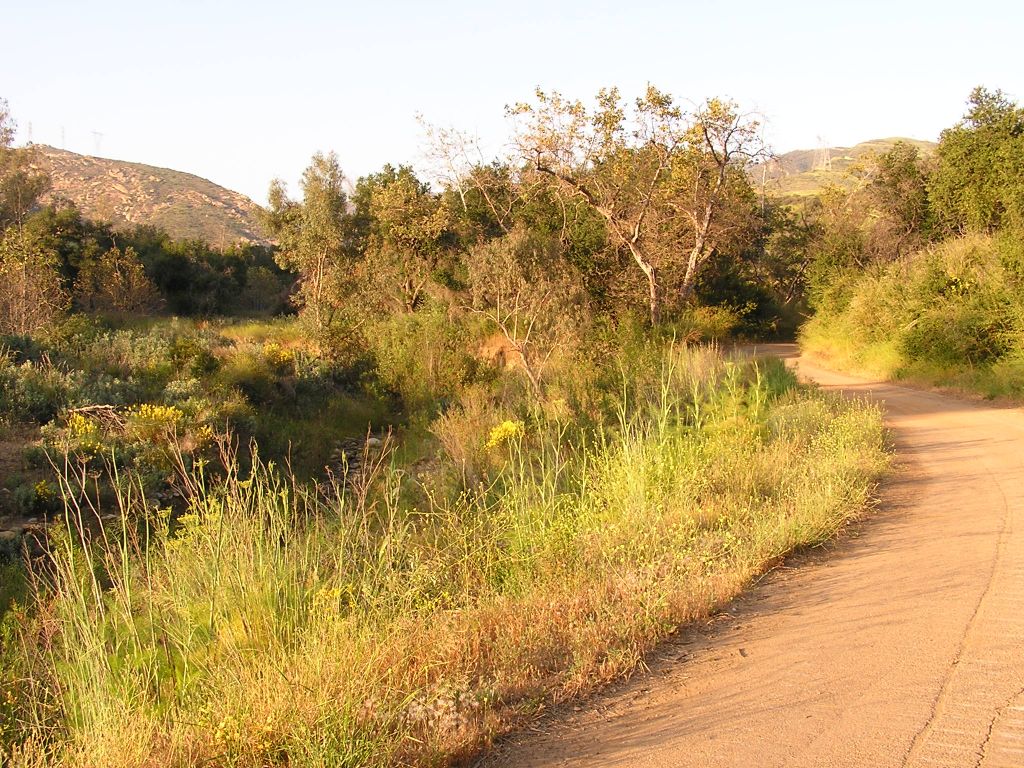
Location: Black Star Canyon Wilderness Park, with an OC Parks event staging address of 13333 Black Star Canyon Rd, Silverado, CA 92676. Official access information is typically handled through OC Parks and Irvine Ranch Conservancy, and the lower wilderness park area is described through scheduled programs and Wilderness Access Days rather than standard everyday park-style visitor hours.
Black Star Canyon has one of the most persistent haunted reputations in Southern California. Tucked into the Santa Ana Mountains in eastern Orange County, it is both a real historic landscape and a place heavily shaped by rumor, retelling, and local fear culture. Officially, it sits at the edge of the Irvine Ranch Natural Landmarks and the Cleveland National Forest. Historically, it is tied to Indigenous occupation, ranching, mining, and at least one documented killing. Culturally, it has become the kind of place where every strange sound or silhouette picks up a supernatural meaning.
Where Black Star Canyon gets its reputation
Part of Black Star Canyon’s power comes from how many different stories have collected there over time. The Los Angeles Times noted that generations of Orange County teens have treated the canyon as a local test of nerve, while official Irvine Ranch Conservancy material describes it as a place with deep Indigenous, ranching, and mining history. When a landscape already has darkness, remoteness, and a long memory for violence, legends tend to stick.
The real history of Black Star Canyon
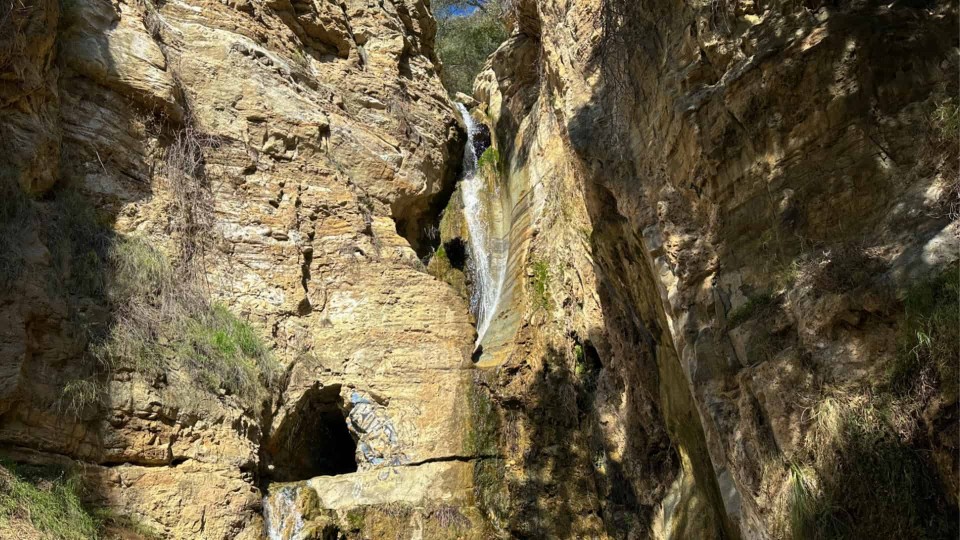
Black Star Canyon was not originally known by that name. Irvine Ranch Conservancy says the canyon was once home to Tongva people, later fell under Spanish and then Mexican rule, and was known as Cañon de los Indios, or Canyon of the Indians. The same source says the Black Star Coal Mining Company opened a mine near the mouth of the canyon in 1877, giving the canyon the name still used today. California’s Office of Historic Preservation also lists the Black Star Canyon Indian Village Site as California Historical Landmark No. 217 in Silverado.
That landmark matters because Black Star Canyon is connected to Puhú, an Indigenous village that remains central to the area’s history. Stanford’s anthropology department hosted research specifically on “Survivance at Puhú,” tied to the Black Star Canyon Archaeology Project, and the Orange County Historical Society has described the canyon in connection with the so-called Black Star Canyon Massacre of the people of Puhú.
The massacre story and why it is still debated
One reason Black Star Canyon is so hard to write about cleanly is that one of its most famous stories is also one of its most disputed. The repeated version says trappers led by William Wolfskill massacred Indigenous people in or near the canyon in the early 1830s. That story has circulated for decades and is still referenced by historians discussing Puhú and the Santa Ana Mountains.
But there is an important complication. An OC Weekly investigation argued that the widely repeated 1831 massacre account rests on weak sourcing, hearsay, and much later retellings rather than solid contemporary documentation. In other words, the canyon’s darkest story is part of the local historical conversation, but the exact form in which it is popularly repeated is still debated. That uncertainty is one of the reasons Black Star Canyon feels so unsettling to people who research it. It is not just a ghost story. It is a place where folklore and historical memory overlap in a messy way.
The 1899 Hidden Ranch killing
Unlike the massacre narrative, the late 19th-century Hidden Ranch killing is more concrete in the written record. In Terry Stephenson’s Shadows of Old Saddleback, the event is described as the killing of James Gregg on June 9, 1899, after a dispute involving Henry and Thomas Hungerford at the Hidden Ranch in Black Star Canyon. The same account says Gregg later died in El Modena, and that the case became politically significant in Orange County because of what followed in court. The Los Angeles Times also referenced the same killing in its coverage of the canyon’s haunted reputation.
That matters because it gives Black Star Canyon something many “haunted” places never actually have: a documented death that later became absorbed into the paranormal folklore surrounding the site.
Reported hauntings and first-hand claims
I could not confirm any verified supernatural event at Black Star Canyon. What does exist are repeated, real-world reports from guides, hikers, and local lore collectors who say they have experienced something strange there. Reporting on the canyon has highlighted claims such as:
- shadowy figures or silhouettes seen along the ridgelines at night
- wailing associated with La Llorona stories attached to the canyon
- the feeling of being watched while hiking in the area
- reports of drums, chanting, music, screams, or howls after dark from paranormal tour operators and nighttime visitors
The key thing is that these are reported experiences, not proven hauntings. The Los Angeles Times was careful on that point too, noting that nothing definitively supernatural happened during the hike it covered.
Why Black Star Canyon still feels haunted
My read is that Black Star Canyon’s reputation survives because it combines several things that tend to fuel haunting legends: isolation, difficult terrain, real historical conflict, a documented killing, and a long-running local tradition of daring people to go there after dark. Official sources describe a rugged wilderness landscape with steep country, wildlife, and natural hazards, while reporting around the canyon shows how strongly expectation shapes what people think they hear or see. That is probably why Black Star Canyon remains one of the best-known “haunted” places in Orange County even without hard evidence of anything supernatural.
Visiting Black Star Canyon responsibly
If you are interested in Black Star Canyon for its history more than its legends, that is honestly the strongest way to approach it. The canyon is historically significant whether you believe in hauntings or not. It is also a real wilderness environment. OC Parks notes natural hazards including rattlesnakes, and Irvine Ranch Conservancy describes access through scheduled programs and Wilderness Access Days.
Never trespass on property that is not yours without permission. Ghost hunting can be dangerous, so always use caution.
Sources
- OC Parks, “Baker Meadow Stewardship: Planting Oaks”
- Irvine Ranch Conservancy, “Black Star Canyon Trails and Views Are Worth the Trip”
- Terry Stephenson, Shadows of Old Saddleback pages shown in the Santa Ana Mountains PDF screenshots
- OC Weekly, “Black Star Canyon’s Indian Massacre”
Frequently Asked Questions
Where is Black Star Canyon located?
Black Star Canyon is located at 13333 Black Star Canyon Rd, Silverado, CA 92676.
Can you visit Black Star Canyon?
Black Star Canyon is open to the public. Always follow posted rules and respect private property.
Reader sightings
Nobody has reported anything here yet. If you have been, you would be the first.
Report your own visit to Black Star Canyon in California: Haunted History, Dark Legends, and What Is Actually Known
How haunted is this place?
Be the first to rate
Nearby Haunted Locations
- 1Katie Wheeler Library in Irvine, California History and Haunted ClaimsCalifornia6.7mi
- 2Haunted History of Yorba Cemetery in CaliforniaCalifornia8.9mi
- 3A Jail Cell Wine Cellar and the El Adobe de Capistrano GhostCalifornia19mi
- 4Door 13 and the Drained PoolCalifornia29mi
- 5Bloody Christmas 1951 and the Empty Lincoln Heights JailCalifornia37mi
- 6Eighty-Seven by 1937California38mi
Leave a Reply