
Reviewed by Josh N · Updated April 6, 2026 · How we verify
Reported Phenomena
- Spectral figures
- Screams & cries
Reported by visitors & local legend. Stories, not verified claims.
Address: 5175 Somersville Road, Antioch, CA 94509
Phone: (510) 544-2750
Official park page: East Bay Regional Park District
Park/gate hours: vary by season, from 8 a.m. to 5 p.m. in parts of winter up to 8 a.m. to 8 p.m. in peak season. The Great house Visitor Center is open Fridays 10 a.m. to 2 p.m. and Saturdays and Sundays 10 a.m. to 4 p.m.
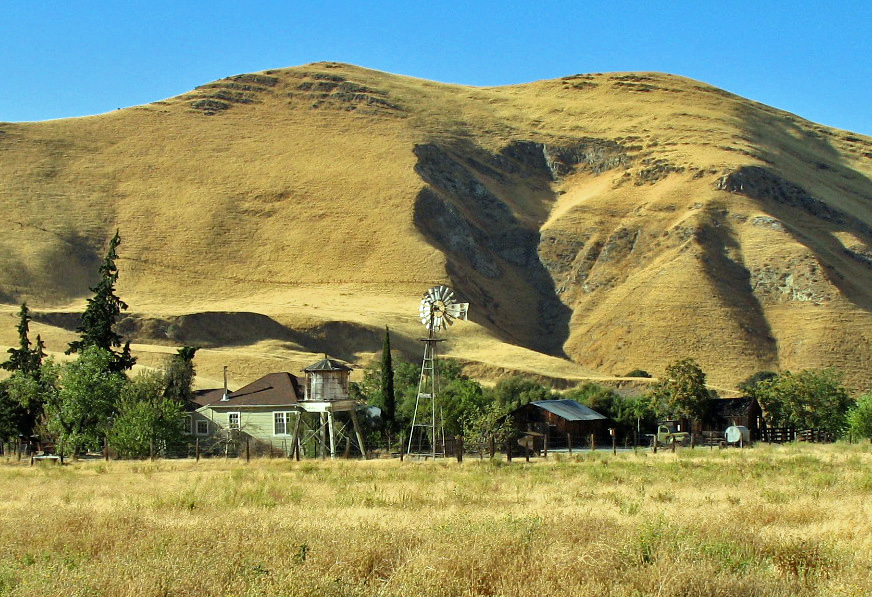
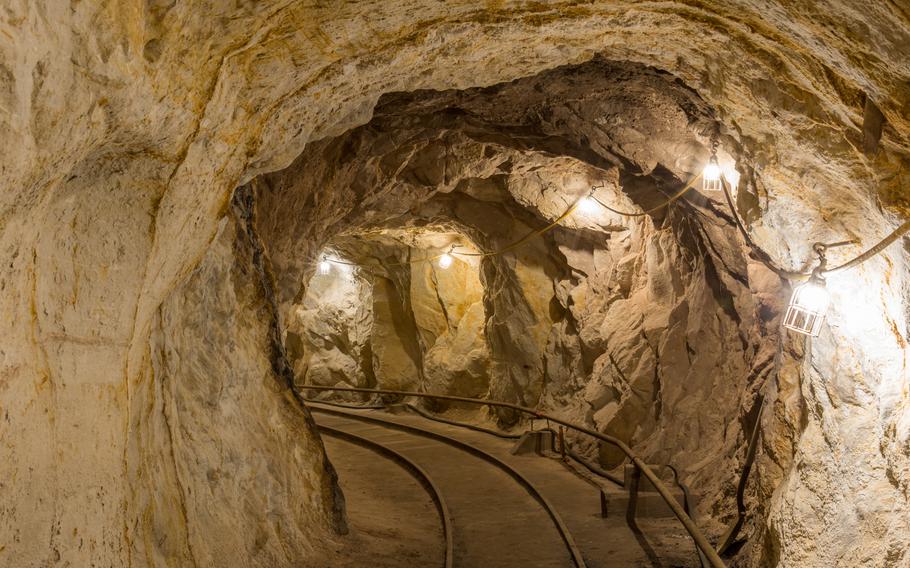
Tucked into the hills south of Antioch, Black Diamond Mines Regional Preserve is one of the most historically layered places in Northern California. Today it is known for hiking trails, mine tours, and sweeping views, but in the late 1800s this area was the heart of California’s largest coal mining operation. That past left behind ghost towns, abandoned mine landscapes, and Rose Hill Cemetery, a burial ground that has helped give the preserve its haunted reputation.
Quick facts about Black Diamond Mines
- It sits within the former Mount Diablo Coal Field, once the largest coal mining area in California.
- Five coal towns thrived here: Nortonville, Somersville, Stewartville, West Hartley, and Judsonville.
- Nearly 4 million tons of coal were extracted here in the 19th century.
- After coal declined, the area also became a major sand mining site, with more than 1.8 million tons mined before that era ended in 1949.
- Rose Hill Cemetery remains one of the clearest physical reminders of the people who lived and died in the mining camps.
The history behind Black Diamond Mines
The story of Black Diamond Mines begins in the years after the California Gold Rush, when coal became a vital fuel source for the state’s growing cities and industries. By the 1860s, miners and families from across the United States and from countries including Wales, England, Ireland, Italy, Germany, Mexico, and Australia had come to the Mount Diablo Coal Field in search of work. The canyon became one of the most populated parts of Contra Costa County during that boom period.
Life here was difficult. Men and boys worked underground in dangerous conditions, with some boys entering mine labor as young as 8. Despite that harsh reality, these were real towns with schools, churches, sports, music, and community life. East Bay Regional Park District material notes that residents formed clubs, bands, choirs, and baseball teams, which gives a fuller picture than the usual ghost town shorthand.
By the early 1900s, coal production declined because costs rose and better fuel sources became available. Coal mining at Black Diamond effectively ended in 1906. In the 1920s, silica sand mining took over in parts of the area, especially around the old Nortonville and Somersville townsites, before that too came to an end by the late 1940s.
Rose Hill Cemetery and why it feels so eerie
If one place anchors the haunted reputation of Black Diamond Mines, it is Rose Hill Cemetery. The cemetery served the mining communities and contains the graves of former residents from the coal era. The East Bay Regional Park District describes it as the resting place of children who died in epidemics, women who died in childbirth, and men killed in mining disasters. Many of those buried there were Welsh, though the mining camps themselves were home to more than 10 nationalities.
That alone explains much of the atmosphere people talk about. This is not a manufactured haunted attraction. It is a real cemetery tied to hard labor, disease, family loss, and abrupt deaths. SFGATE reported that more than 200 people are buried there, many of them children and infants, with surviving headstones recording ages in months and even days.
Over time, vandalism and neglect damaged the site. The original cemetery records were destroyed in the 1906 San Francisco earthquake and fire, which makes full identification of everyone buried there impossible today. That partial silence around the dead has only deepened the cemetery’s reputation.
The White Witch legend
The best-known haunting tied to Black Diamond Mines is the legend of the White Witch, usually associated with Sarah Norton of Nortonville. Historical sources describe Sarah Norton as the widow of Noah Norton, founder of Nortonville, and a respected midwife said to have delivered hundreds of babies in the mining district. She died in 1879 after being thrown from her buggy while traveling to visit a sick woman.
According to the Contra Costa County Historical Society, storms reportedly disrupted the first two attempts at her funeral when a church service was planned. On the third attempt, when she was buried at Rose Hill Cemetery without a religious service, the weather remained calm. Local folklore later turned that episode into the foundation of a haunting legend. The historical society says her apparition has reportedly lingered in the area, with people describing a “white witch,” “glowing lady,” or “gliding woman” in the hills around the cemetery.
SFGATE also noted the long-running local belief that Sarah Norton’s ghost still roams the cemetery and nearby hills. That does not prove a haunting, of course, but it does show the legend is not a recent internet invention. It has been part of local storytelling for years.
Reported ghost encounters at Black Diamond Mines
When people talk about haunted activity here, most stories center on Rose Hill Cemetery rather than the preserve as a whole.
Some of the most repeated reports include:
- A white apparition seen moving among the headstones, often linked to Sarah Norton.
- Folklore about a phantom hearse, children in black, and other restless figures near the cemetery.
- A first-person anecdote from SFGATE writer Tom Stienstra, who said that on a calm winter day the weather suddenly turned violent when he entered the cemetery and cleared again when he left. He explicitly said it may have been coincidence, which is worth emphasizing.
That last detail matters. The strongest honest way to write about Black Diamond Mines is not to pretend there is hard proof of ghosts. There is not. What there is, however, is a documented history of tragedy, a cemetery filled with mining-era loss, and a folklore tradition strong enough that newspapers, local historians, and longtime visitors still mention it.
Why Black Diamond Mines remains one of California’s most compelling haunted places
Black Diamond Mines works as a haunted location because the history is already powerful without exaggeration. You have abandoned townsites, dangerous mine labor, child graves, epidemic deaths, and a respected midwife whose funeral became part of local legend. Even people who do not believe in ghosts can understand why the place leaves such a strong impression.
For paranormal fans, the appeal is obvious. The preserve offers the rare combination of verified historical suffering and a long-standing ghost tradition. For history lovers, it is one of the most important surviving windows into California’s coal mining past. And for casual visitors, it is simply an unusually atmospheric place to walk, reflect, and imagine the lives once built in those now-quiet hills.
Visiting Black Diamond Mines today
If you go, treat it first as a historic site and cemetery, not a thrill stop. The preserve is managed by the East Bay Regional Park District and offers trails, interpretive exhibits, and programs including mine-related experiences. Check current access details before visiting because hours vary by season and some activities require advance registration.
A few things worth knowing:
- Main entrance: Somersville Road in Antioch.
- Parking is generally $5 per vehicle when the kiosk is staffed.
- The cemetery and historic townsite areas are part of a larger preserve of more than 8,500 acres.
- Visitor center hours are more limited than gate hours, so plan accordingly.
Please never trespass on property that is not yours without permission, and remember that ghost hunting can be dangerous, so always use caution.
Sources
- East Bay Regional Park District, Black Diamond Mines Regional Preserve.
- SFGATE, “Why five booming Bay Area towns disappeared over a century ago.”
- Contra Costa County Historical Society, “Ghosts of Mt. Diablo.”
Frequently Asked Questions
Where is Black Diamond Mines located?
Black Diamond Mines is located at 5175 Somersville Road, Antioch, CA 94509.
Can you visit Black Diamond Mines?
Black Diamond Mines is open to the public. Always follow posted rules and respect private property.
Reader sightings
Nobody has reported anything here yet. If you have been, you would be the first.
Report your own visit to Black Diamond Mines in California: History, Rose Hill Cemetery, and the White Witch Legend
How haunted is this place?
Be the first to rate
Leave a Reply