
Reviewed by Josh N · Updated September 2, 2026 · How we verify
Reported Phenomena
- Phantom music
- Disembodied singing
- Moving shadows
- Unseen presence
- Sense of being watched
Reported by visitors & local legend. Stories, not verified claims.
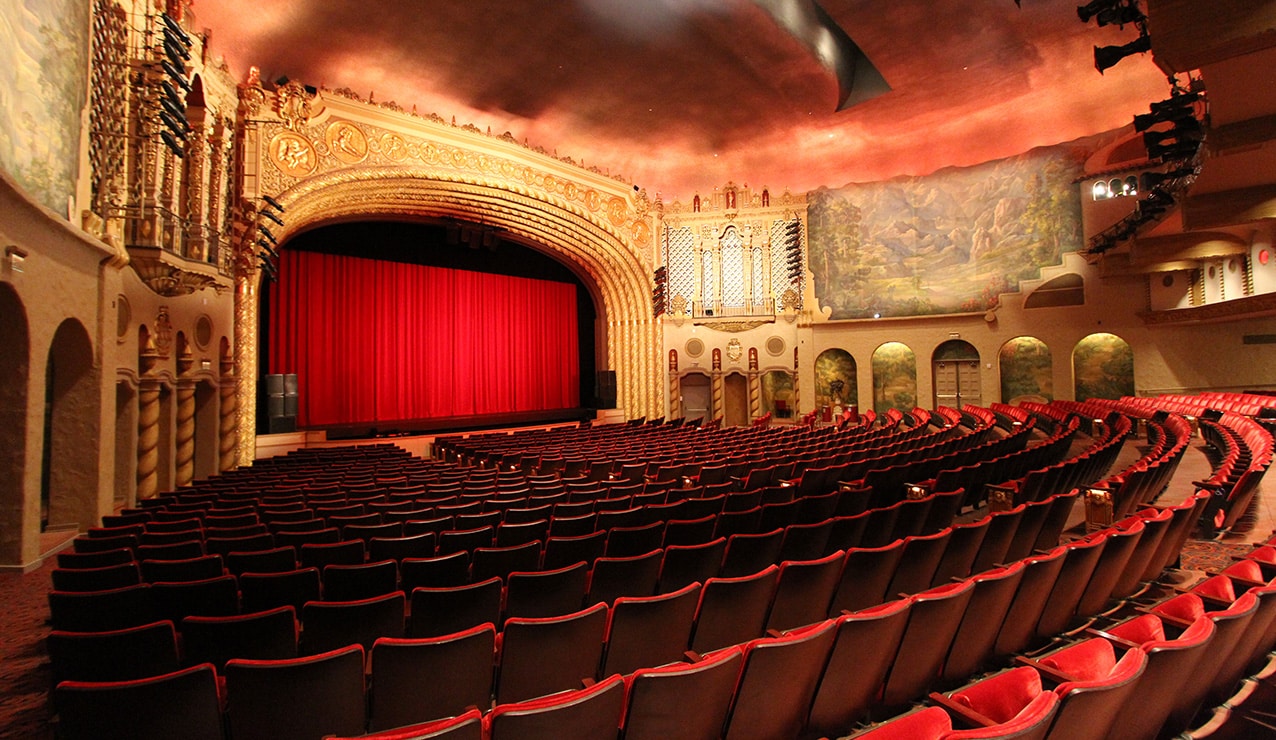
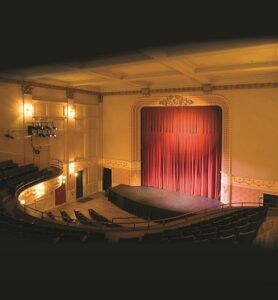
Sit in an empty auditorium long enough and it starts to make noise on its own: a seat settling, air moving through the fly space, the hum of a building that spent a century absorbing applause. That is the everyday explanation for most of what people report at the Orpheum Theatre in Phoenix, Arizona. It is not the explanation that has stuck. The Orpheum Theatre ghosts are part of the house’s working folklore, traded among ushers, stagehands and touring crews who have been alone in the room after the crowd left.
What follows separates what the building’s history supports from what people say they have experienced there. The second category is larger than the first, which is usually the case with theaters.
A Vaudeville House That Outlived Vaudeville
The Orpheum began life on the vaudeville circuit, one of the ornate houses built in the early decades of the twentieth century when a single stage might carry a comic, a singer, an animal act and a film reel in the same evening. Vaudeville did not last. The building did, by doing what almost every surviving palace of its type did: it became a movie house, then a rental venue, then a candidate for demolition, then a restoration project.
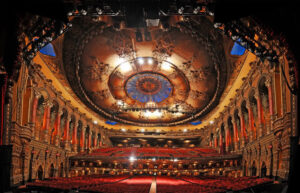
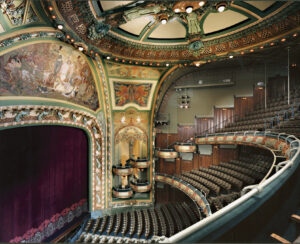
That last phase is why the interior looks the way it does today. The Orpheum was brought back through a multimillion dollar renovation that returned the decorative plasterwork, the gilding and the auditorium’s much praised acoustics to something close to their original condition. Restoration work of that kind is invasive. Crews spend months in a closed, half lit building at odd hours, and it is worth noting that a great many theater ghost stories in America date from exactly those periods rather than from the busy years before or after.
Mary, the Singer Who Reportedly Never Left
The best known figure attached to the Orpheum is a woman remembered as Mary, described in the theater’s lore as a former opera singer. Accounts place her voice in the auditorium: a few bars of singing heard from the house when no one is on stage, or a soprano line that seems to come from the upper levels and stops when anyone goes looking for its source.
There is no documented death, inquest or news report offered to support the story of Mary, and no record identifying her. She should be read as legend, a name the building’s staff and audiences have given to an experience rather than a person whose life can be traced through the archive. That does not make the reported hearings less consistent. It does mean the biography around her is unverified.
The Ghost Light and What Crews Report After Curtain
Theaters keep a single bulb burning on stage when the house goes dark. The practical reason is safety: nobody should be walking a bare stage near an open orchestra pit in total blackness. The traditional reason, in theater superstition, is to keep the resident spirits company so they do not interfere with the next show. At the Orpheum, that lone light is where a good deal of the storytelling starts.
Reports gathered from guests and employees over the years describe:
- Phantom music, including singing and passages of instrumental music heard in an empty auditorium
- Shadows that appear to move independently across the walls and seating when the ghost light is the only source of illumination
- The sense of an unseen presence, most often described in the balcony and the back of the house
- Being watched from the auditorium by people working alone on stage
None of this has been substantiated by controlled investigation, and the Orpheum has never claimed otherwise. A restored historic auditorium is a room engineered to carry sound from a stage to the last row, which means it also carries sound from a corridor, an HVAC duct or a neighboring space in ways that can be genuinely difficult to place. Skepticism and the stories coexist here comfortably.
Seeing the Orpheum Theatre for Yourself
This is a working venue, not a paranormal attraction. The most reliable way inside is to buy a ticket to whatever is booked: touring theater, concerts, film events and civic occasions all pass through. Arrive early, because the lobby and the auditorium ceiling are the point of the building as much as anything on the bill, and the pre-show window is when the room is quiet enough to look at properly.
Anyone hoping for a solitary encounter should manage expectations. Backstage and balcony areas are staff territory, access outside performances depends entirely on the venue’s own schedule, and the stories most often told about the Orpheum come from people who were there for work at two in the morning rather than from ticket holders. Check the theater’s current calendar before planning a trip, and treat the ghost light as what it is: a piece of stage tradition that happens to be excellent atmosphere.
Sources
- Suns' Year-old Arena Colangelo's Pride And Joy (Chicago Tribune)
- The arena for the Phoenix Suns and Phoenix Mercury is now called the 'Mortgage Matchup Center'
- Footprint Center
- Wikipedia: Mortgage Matchup Center
Frequently Asked Questions
Can you visit Orpheum Theatre Haunted?
Orpheum Theatre Haunted is open to the public. Always follow posted rules and respect private property.
Reader sightings
Nobody has reported anything here yet. If you have been, you would be the first.
Report your own visit to Orpheum Theatre Ghosts: Mary’s Voice in Downtown Phoenix
How haunted is this place?
Be the first to rate
Leave a Reply