

Reviewed by Josh N · Updated September 12, 2026 · How we verify
Reported Phenomena
- Unexplained cave sounds
- Ghost Bride apparition
- Uneasy feelings underground
Reported by visitors & local legend. Stories, not verified claims.
Two stories follow hikers out of this canyon, and neither of them has a date attached. The Rock Canyon ghost stories that circulate in Utah center on a cave said to produce sounds nobody can account for, and on a bride in white reported near Squaw Peak. Both are folklore in the strictest sense: told, retold, and never documented. The canyon itself, with its pale cliff walls and its long human history, is the part of the visit that holds up without any embellishment.
Rock Canyon at a Glance
- What it is: a canyon in Utah walled by limestone and sandstone cliffs
- Geology: formations in the canyon are attributed to rock dating back to the Precambrian Era
- Early use: a hunting ground and a place of spiritual significance for the region’s indigenous tribes
- Industrial era: quarrying from the 19th century onward, with old lime kilns still standing
- Reported hauntings: Hobo’s Cave and the Ghost Bride at Squaw Peak
- Access: open country, walked on foot, no admission booth and no ghost tour
Walls That Predate Every Story Told About Them
The canyon’s appeal starts with the rock. Limestone and sandstone cliffs rise on both sides, and the formations within the canyon are described as reaching back to the Precambrian Era, which puts the stone itself far outside any human timeline. That matters for a reader weighing the ghost stories against the place: the canyon was carved and standing for an unimaginable stretch before anyone was around to be frightened in it.
It is also worth noting what deep, narrow rock corridors do to sound. Voices carry, rockfall echoes, wind moves through gaps in stone and returns as something that does not sound like wind. Any account of strange noises in a canyon has to clear that bar first.
From Hunting Ground to Quarry
Long before the trail signs, this was a working landscape for the area’s indigenous peoples, used as a hunting ground and held as a place of spiritual significance. That combination of practical use and sacred association is common in Utah’s canyon country, and it tends to be the soil in which later ghost lore grows.
Settlement in the 19th century changed the canyon’s purpose. It became a quarry site, and the stone and lime pulled out of it fed the growth of the settlements nearby. The industry is long finished, but the old lime kilns remain, squat and blackened, the clearest physical evidence in the canyon that this was once a place of labor rather than recreation. If you want a single object to anchor the canyon’s human history, it is a kiln, not a haunted cave.
Hobo’s Cave and the Sounds Reported Inside It
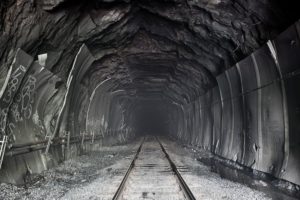
The best known of the canyon’s haunted spots is Hobo’s Cave. The reports attached to it are modest by ghost story standards: people say they hear sounds inside that they cannot explain, and they leave uneasy. There is no named victim, no recorded death, no incident in the record that the stories point back to. What exists is a cave with a name that suggests it was once used as shelter, and a pattern of visitors reporting noise.
Treat it as an experience report rather than evidence. Caves drip, settle, host animals, and funnel air. None of that makes the accounts dishonest, and it does not make them proof either.
The Ghost Bride at Squaw Peak
The second story is the more romantic one, and the more obviously legendary. It concerns a Ghost Bride associated with Squaw Peak, a tragic figure whose tale is passed along locally and whose appearance is offered as the reason people avoid the spot after dark. The legend has the shape of dozens of others told across the American West: a woman, a wedding that went wrong, a figure in white on high ground. That shape is exactly why it deserves skepticism. Stories that fit a template this neatly usually belong to the template rather than to a specific person.
No documentation accompanies it. No name, no year, no record of the death the story assumes. It circulates as folklore, and that is the honest description of it.
Hiking Rock Canyon
The canyon is open country, and the ordinary reasons to go are the strong ones: the trails, the cliff scenery, and the panoramic views from higher up. It is a day hike destination first and a haunted location second, which means you are unlikely to encounter a guide, a gift shop, or anyone charging for access to a legend.
A few practical points. Canyon trails climb, and elevation gain is felt quickly, so carry more water than you expect to need. The old lime kilns are worth building into the walk if you want the canyon’s history in front of you rather than just underfoot. Going at dusk in pursuit of the Ghost Bride is how people end up descending loose ground in the dark, which is a far more reliable hazard than anything reported at Squaw Peak.
What the Canyon Actually Offers
Rock Canyon is not a place where the paranormal claims are backed by dates, inquests, or newspaper accounts. It is a place where two persistent local legends have attached themselves to real features: a cave and a peak. Go for the rock, the kilns, and the views. If the stories add an edge to the last mile back down in fading light, that is the honest value they have.
Sources
- A History of Carbon County
- Nine Mile Canyon Road • Duchesne & Carbon Counties
- Canyon oversight questioned
- When the Bush Energy Policy Confronts Ancient Art (The New York Times)
- Nine Mile Canyon
- Wikipedia: Ninemile Canyon (Utah)
Frequently Asked Questions
Can you visit Rock Canyon?
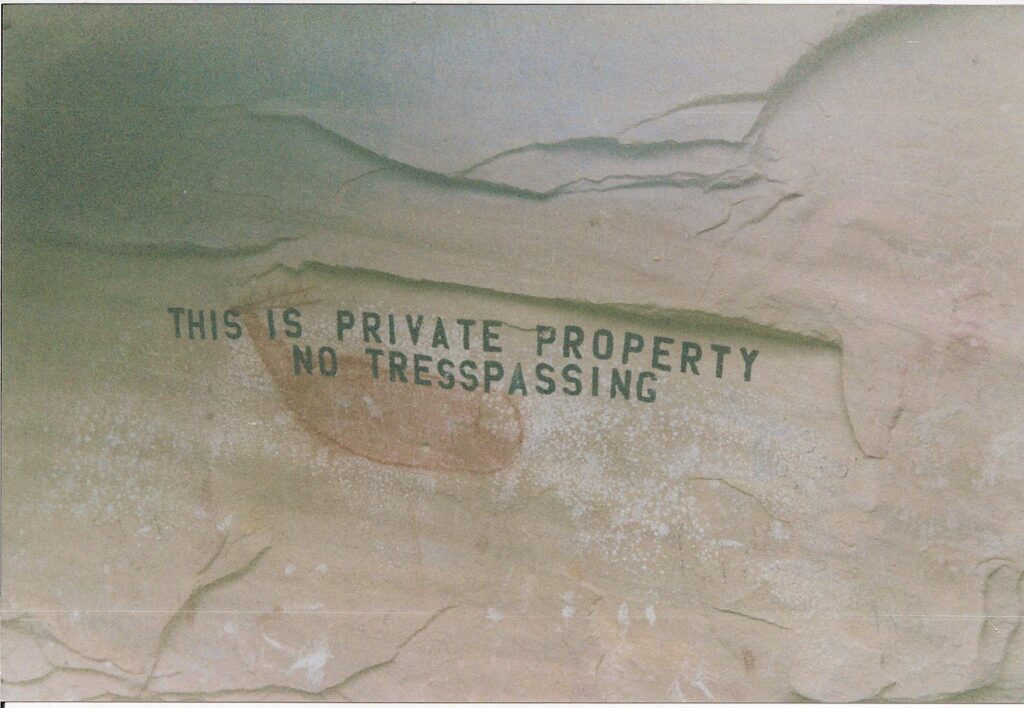
Rock Canyon is open to the public. Always follow posted rules and respect private property.
Reader sightings
Nobody has reported anything here yet. If you have been, you would be the first.
Report your own visit to The Ghost Bride and Hobo’s Cave: Rock Canyon Ghost Stories
How haunted is this place?
Be the first to rate
Leave a Reply