
Reviewed by Josh N · Updated August 14, 2026 · How we verify
Reported Phenomena
- Apparition of a girl
- Disembodied screams
- Unexplained footsteps
- Doors unlocking themselves
- Sudden power outages
- Vanishing figure
Reported by visitors & local legend. Stories, not verified claims.
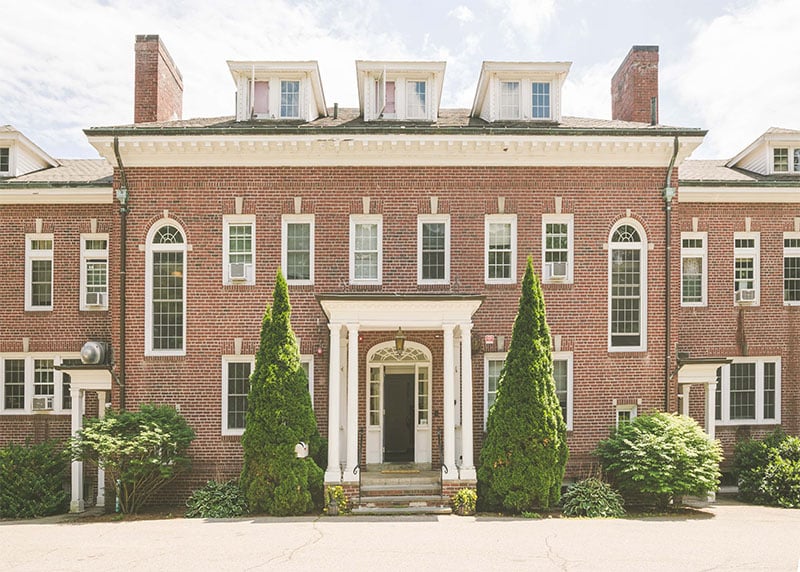
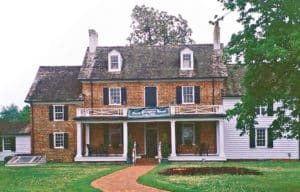
The Chase House ghosts belong to a building that has changed jobs more often than most: a merchant’s home in New Hampshire from 1762, then a family seat, then an orphanage, then a treatment program for young people. Very little about the place has stayed still, which may be part of why the stories attached to it are so persistent.
What follows separates the documented chronology, as the house’s own history records it, from the accounts of visitors and staff. The second category is not evidence. It is what people say happened to them.
Quick Facts on the Chase House
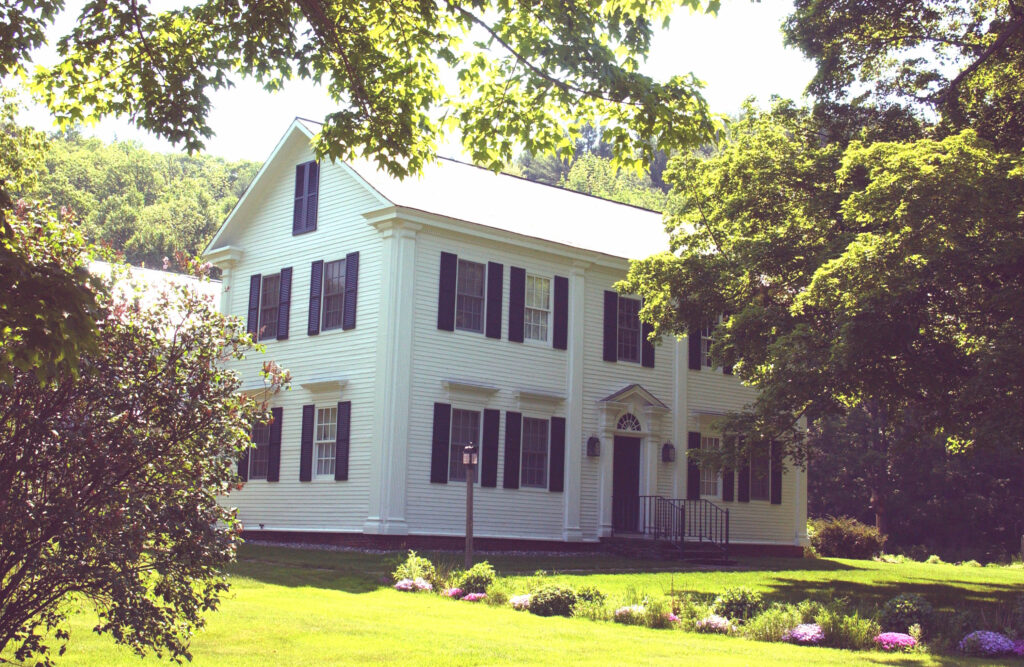
- Built: 1762, by a prosperous merchant
- Named for: Stephen Chase, who bought the property in 1799
- Chase family connection: ended in 1881, after the death of Stephen’s wife, Sarah
- Given to the city: by the Chases’ grandson, George
- Second life: an orphanage, and New Hampshire’s oldest non-profit organisation dedicated to child welfare
- Restored: 1965, by Strawbery Banke
A Merchant’s House That Outlived Its Merchants
The house went up in 1762, built by a merchant who had done well enough to want the fact visible in his architecture. It took the Chase name later, from Stephen Chase, who purchased the property in 1799. The family’s association with the building ran through most of the following century and closed in 1881, after the death of Stephen’s wife, Sarah.
Their grandson, George, then handed the structure to the city. That decision is the hinge in the whole story. A private house given away becomes an institution, and institutions fill buildings with strangers, shift work, night staff and children. Almost every reported experience at the Chase House dates from after that handover.
Child Welfare at the Chase House, From 1877 Onward
By 1877 the house was operating as an orphanage, and it grew into the oldest non-profit organisation in the state devoted to child welfare. Anyone reading the dates closely will notice they overlap awkwardly with the end of the Chase family’s tenure in 1881, and the published chronology of the house is not perfectly tidy on that point. It is worth flagging rather than smoothing over.
In 1960 the focus shifted again, this time to a youth treatment program. Five years later, in 1965, Strawbery Banke carried out substantial restoration work that recognised the building’s architectural and historical significance. The organisation’s work has continued to widen since: home-based services were introduced in 2012, and an Independent Living program followed in 2014, helping young adults move toward independence while keeping access to support.
So the house has spent far longer as a place of institutional care than as a merchant’s residence. That matters for the ghost stories, because almost all of them are stories about a child.
The Girl Said to Walk the Corridors
The account repeated most often at the Chase House concerns a young girl who is said to have taken her own life in the building during its orphanage years. No verified record of the death is offered alongside the story, and it should be read as tradition rather than documented history.
What people describe is consistent in shape. Staff and visitors report seeing the figure of a girl in the corridors, and report that she disappears when anyone moves toward her. Screams have been reported coming from the room said to have been hers. Doors are described as unlocking on their own, and unexplained power failures are attributed to her as well.
She is not said to be alone. Footsteps with no walker attached and disembodied screams elsewhere in the house have led people to conclude that more than one presence is involved. That conclusion is inference on the part of witnesses, not something anyone has demonstrated.
What to Make of the Chase House Accounts
A building this old, altered this many times, and staffed around the clock for well over a century, is a natural home for this kind of story. Old locks fail. Old wiring fails. Sound travels strangely through a house built in 1762 and reworked repeatedly since. None of that explains a figure that vanishes, but it does account for a fair share of the smaller reports.
The honest position is that the Chase House has a long, documented, genuinely useful history and a set of experiences reported by people inside it that remain unverified. Both are true at once.
Seeing the Chase House Today
The Chase House is still a working part of the community it was given to, not a museum piece kept for the curious, and its programs serve at-risk young people and young adults in transition. Anyone hoping to look around should treat it accordingly and check what access, if any, is currently offered before turning up. The restoration by Strawbery Banke is the reason the exterior is worth the trip on its own, whatever you make of the rest.
See The Chase House for Yourself
Sources
- Justices 1789 to Present (Supremecourt (official))
- The centennial book of American biography
- The Life and Public Services of Salmon Portland Chase
- Salmon P. Chase
- John Niven. Salmon P. Chase: A Biography. New York: Oxford University Press. 1995. Pp. xii, 546. $30.00
- Wikipedia: Salmon P. Chase
Reader sightings
Nobody has reported anything here yet. If you have been, you would be the first.
Report your own visit to Chase House Ghosts: From 1762 Merchant Home to Orphanage
How haunted is this place?
Be the first to rate
Ghost Tours Nearby

Affiliate links: BeyondHaunted may earn a commission, at no extra cost to you.
Leave a Reply