
Reviewed by Josh N · Updated August 13, 2026 · How we verify
Reported Phenomena
- Unexplained cold spots
- Feeling of being watched
- Restless former residents
- Oppressive cemetery atmosphere
Reported by visitors & local legend. Stories, not verified claims.
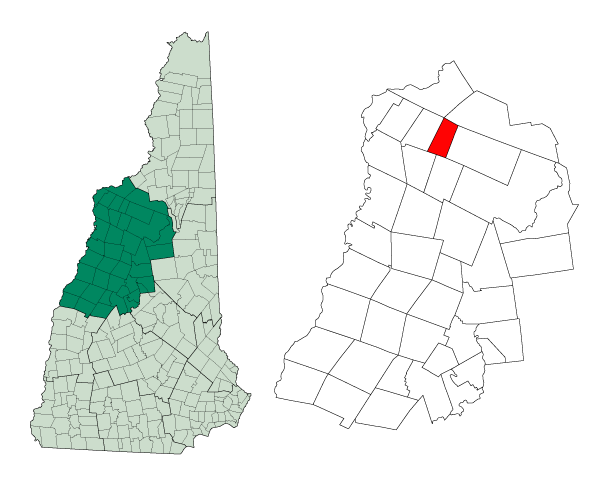
Old Hill Village is what remains after a town picks itself up and walks away. The settlement began in 1754 as New Chester, in what is now Merrimack County, New Hampshire, and was later renamed in honor of Governor Isaac Hill. In 1941 the village was relocated so the land could be given over to a flood control reservoir along the Pemigewasset River. The people left. The street pattern, the foundations and the burying grounds did not, and that is the place visitors walk through today.
Quick Facts on Old Hill Village
- Founded: 1754, originally as New Chester
- Renamed: after Governor Isaac Hill
- Abandoned: 1941, for a flood control reservoir along the Pemigewasset River
- Where the town went: a new site, now known as Hill Village
- Access: open ground, best reached on foot
- Reported activity: cold spots, the sense of being watched
New Chester, and How It Became Hill
Two centuries of ordinary town life sit behind the ghost town label. New Chester was settled in 1754 and grew as river towns in this part of New Hampshire did, close to the water that both fed and threatened it. The renaming after Governor Isaac Hill gave the place the name it still carries in its successor community. Nothing about that history is mysterious. It is the ending that makes the site unusual.
The 1941 Relocation and the Broken Gravestones
Flood control work along the Pemigewasset River required the valley floor, and in 1941 the village was moved out of the way. What is remarkable, and well remembered locally, is that the community moved as a community rather than scattering. Residents relocated together and rebuilt at a new site, which is why there is a Hill Village at all. It was an act of collective stubbornness as much as engineering compliance.
The part of the story that fuels everything else is the treatment of the dead. Accounts of the relocation describe gravestones being destroyed in the process. Whether every marker was lost is not something a visitor can verify by standing there, but the presence of burying grounds in and around the old village site is plain enough, and the sense that the dead were handled less carefully than the living is the emotional engine of the whole legend.
The Spirits Said to Have Stayed Behind
The folklore attached to Old Hill Village is straightforward and it follows directly from the history. People say the former residents never left, and that the destruction of their gravestones, combined with the forced removal of their community, left them restless and resentful. That is a story about grievance, not about a specific named ghost, and it is worth being clear that it is a story: there is no record of a documented haunting here, only a pattern of reported experience.
What visitors describe tends to be atmospheric rather than dramatic:
- Unexplained chills in particular spots along the old roads and foundations
- The feeling of being watched, reported often enough to have become part of the site’s reputation
- A heavy, closed-in atmosphere near the cemeteries, which several people connect to the damaged graves
None of that is exotic for an abandoned village in the woods. A cold hollow, a quiet path and a graveyard will produce a shiver in most people without any help from the other side. That does not make the reports dishonest. It does mean a careful visitor should notice how much of the experience is supplied by the place itself.
Walking the Old Hill Village Site
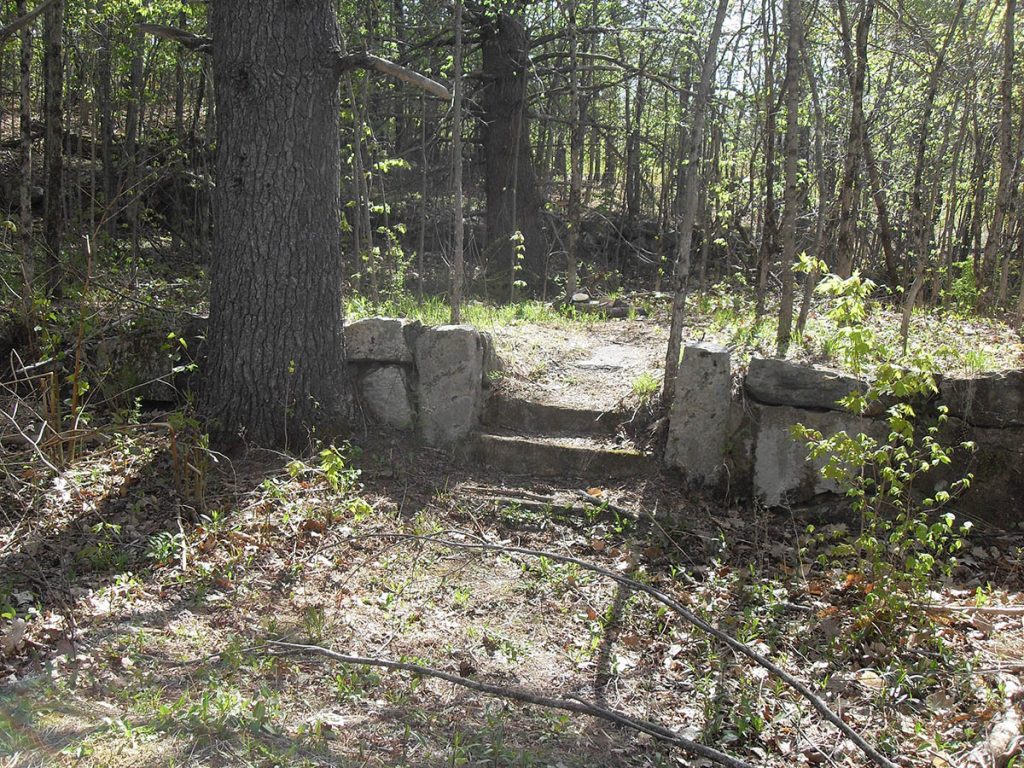
This is not a managed attraction with a ticket booth and an interpretive film. It is open ground with the bones of a town in it, and it sees far less traffic than New Hampshire’s better known destinations. Expect to walk. The rewards are the street layout still legible under the trees, the surviving remains of the village, and the cemeteries that give the site its weight.
Go in daylight and in decent footwear, treat the burying grounds as burying grounds rather than props, and take nothing. The most honest reason to come here has nothing to do with ghosts: Old Hill Village is a rare chance to stand in the footprint of a community that was told to leave and chose to leave together.
See Old Hill Village for Yourself
Sources
- 2021 U.S. Gazetteer Files, New Hampshire (Census (official))
- Sugar Hill town, Grafton County, New Hampshire: 2020 DEC Redistricting Data (PL 94-171) (Census (official))
- Cannon Mountain, New Hampshire – New England's Alpine CCC Ski Trails
- Census of Population and Housing (US Census Bureau)
- Bette Davis Eyes Sugar Hill
- Wikipedia: Sugar Hill, New Hampshire
Frequently Asked Questions
Can you visit Old Hill Village?
Old Hill Village is open to the public. Always follow posted rules and respect private property.
Reader sightings
Nobody has reported anything here yet. If you have been, you would be the first.
Report your own visit to The Town That Walked Away: Old Hill Village, New Hampshire
How haunted is this place?
Be the first to rate
Leave a Reply