

Reviewed by Josh N · Updated October 6, 2026 · How we verify
Reported Phenomena
- Apparition of a boy
- Phantom railroad worker
- Smell of burning wood
- Disembodied screams
- Sense of being watched
Reported by visitors & local legend. Stories, not verified claims.
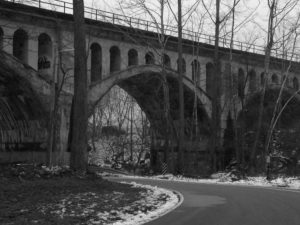
A short span of track over the White River at Hartford, Vermont carries one of the grimmest stories in American railroading, and the haunted railroad bridge that stands there now is the second structure to occupy the site. The first, known as the Woodstock Bridge, was a wooden covered bridge, and it burned with a passenger train on it in 1887. What people report at the crossing today, a boy by the water, a railroad man who will not look away, the smell of woodsmoke where nothing is burning, all traces back to that night.
What the Night Express Was Doing on the Woodstock Bridge
The train was the “Night Express,” running north toward Montreal and trying to make up time it had already lost. As it approached the covered bridge over the river at Hartford, one of the sleeper cars left the rails.
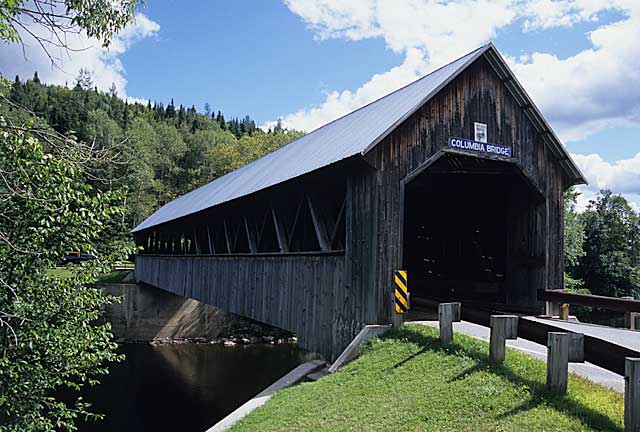
The bridge was built entirely of wood, a covered passageway of the kind that once carried roads and rails all across New England. It was never designed to absorb a derailed car hammering along its timbers. The structure broke apart under the impact.
Accounts of what followed describe the conductor trying to keep the locomotive and the cars still on the track moving forward across the span. Three cars went down anyway, dropping from the bridge into the river bed below.
Oil Lamps, Wood Stoves, and Why the Wreck Burned
The fall alone would have been bad enough. What turned the Hartford wreck into a disaster was the way passenger cars were fitted out in the 1880s. They were lit by oil lamps and heated by wood-burning stoves. A car that broke open on impact was, in effect, a wooden box full of ignition sources and kindling.
The wrecked cars caught fire, and the fire took the bridge with them. Twenty-nine people died: twenty-four passengers and five railway workers. The wooden bridge was not rebuilt in kind. A steel structure replaced it, and steel is what crosses the river at the site today.
It is worth saying plainly that the catastrophe is history, not folklore. The death toll, the fire, the collapse of a covered wooden span under a derailed sleeper car: these are the recorded facts of the event, and they are the reason anyone tells ghost stories here at all. Everything that follows belongs to a different category.
The Boy by the Water and the Watching Railroad Man
Two figures dominate the accounts people give of the Hartford crossing, and neither has anything to support it beyond the reports themselves.
The first is a young boy, described as appearing near the riverside below the bridge. In the version of the story told locally, he is a child who died in the wreck and is waiting at the water for a father who never comes back up the bank. There is no documentary thread connecting the apparition to any named victim; the identification is something the legend supplies, not something the record does.
The second is a railroad worker, reported standing with his attention fixed on the place where the cars went down. Witnesses who describe him tend to describe the same posture, as if he were watching the same few seconds happen again.
Beyond the two figures, visitors report:
- The smell of burning wood drifting across the site with no fire anywhere nearby.
- Faint wailing and screaming carried on the air near the span.
- A general sense of being watched at the riverbank, usually after dark.
These are reported experiences, nothing more. A burning smell near an old rail crossing and voices over moving water both have ordinary explanations available, and the stories are strong enough here that people arrive already primed to interpret what they notice. That does not make the accounts dishonest. It does mean they should be read as testimony about a place, not as evidence about the dead.
Standing on the Hartford Crossing Today
This is not an attraction. There is no visitor center, no interpretive signage of the kind a battlefield gets, and no tour to buy a ticket for. The bridge is a working steel railroad structure over the White River, and the land around it is simply the river bank.
That means the usual cautions about active track apply, and they apply absolutely: do not walk the rails, do not stand on the span, and treat anything marked as railroad property as off limits. The river bank below, where most of the reported sightings are placed, is the vantage point people actually use.
Go in daylight the first time, if only to understand the geography of what happened. The drop from the deck to the river bed explains the 1887 wreck more clearly than any retelling of it does. Whether the boy and the railroad man are there is a separate question, and the honest answer is that the only thing standing behind them is the word of the people who say they have seen them.
See Haunted Railroad Bridge for Yourself
Sources
- Vermont's Covered Bridges, Vermont, Tours, History, Trusses
- virtualvermont.com
- Wikipedia: List of covered bridges in Vermont
Frequently Asked Questions
Can you visit Haunted Railroad Bridge?
Haunted Railroad Bridge is open to the public. Always follow posted rules and respect private property.
Reader sightings
Nobody has reported anything here yet. If you have been, you would be the first.
Report your own visit to The Night Express Went Down: Hartford’s Haunted Railroad Bridge
How haunted is this place?
Be the first to rate
Leave a Reply