
Reviewed by Josh N · Updated October 6, 2026 · How we verify
Reported Phenomena
- Spectral figures
Reported by visitors & local legend. Stories, not verified claims.
Ask around Charleston and you will hear Magnolia Plantation named among the region’s haunted places, usually without anyone being able to say who is supposed to be walking there. That gap matters. The documented history of this South Carolina property is long, specific and in places brutal, running from 1679 through slavery, war and a burned house, while the ghost stories attached to it are passed along without a verified incident behind them. Anyone searching for haunted Magnolia Plantation deserves both halves of that picture, and the record is by far the more substantial one.
Magnolia at a Glance: 464 Acres on the Ashley
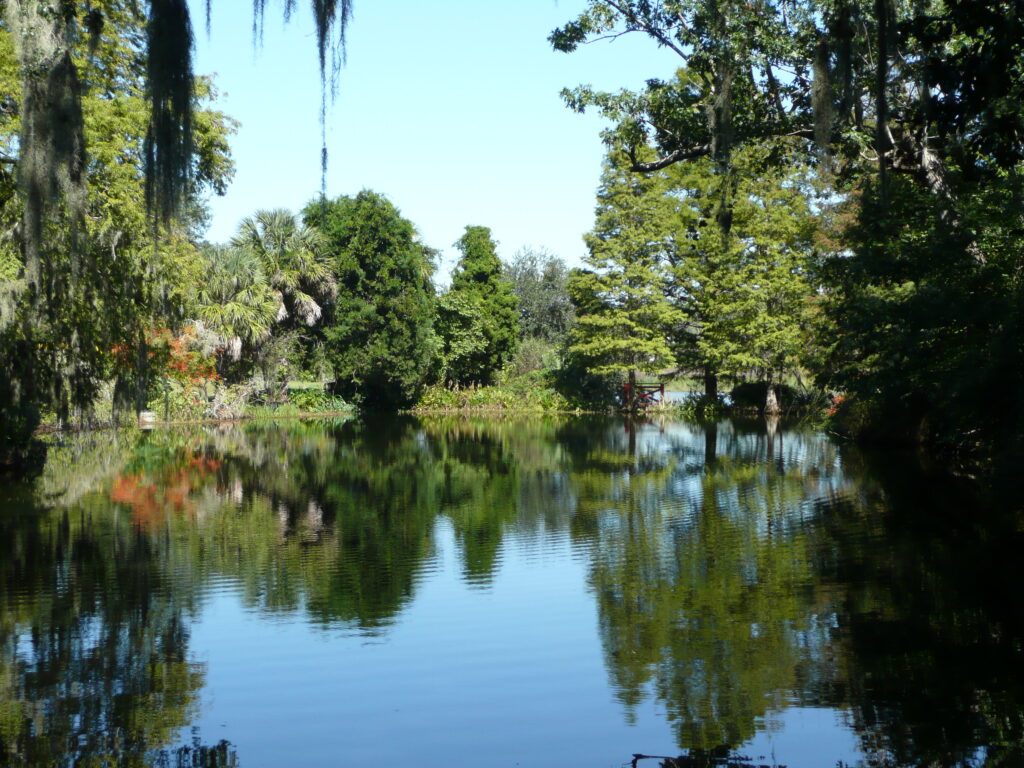
The property covers 464 acres on the Ashley River at 3550 Ashley River Road, west of Ashley in Charleston County, and is listed on the National Register of Historic Places. It sits directly across the Ashley from North Charleston. The house and gardens are open daily and an admission fee is charged. Today 25 acres are given over to the gardens, 16 acres to the wide lawn around the live oak allee, and 150 acres to a marsh and water fowl conservatory.
The Draytons Arrive in 1679, and the Rice Fields That Followed
Magnolia dates to 1679, when Thomas and Ann Drayton built a house and small formal garden on the site. Fifteen generations later the plantation still remains under the control of the Drayton family, a continuity almost nothing else in the Lowcountry can claim. Some of the enslaved people forced to work at the house were brought by the Draytons from Barbados in the 1670s.
This was first a rice plantation, and the work that shaped the land was done by enslaved Africans from rice growing regions, who built extensive earthworks of dams and dikes in the fields along the river to irrigate the crop. Out of that labor came a creolized Gullah language and culture, strongly influenced by West African origins and still present in what is known today as the Gullah Heritage Corridor of the Lowcountry and Sea Islands.
John Grimke Drayton and a Garden Meant to Lure a Bride South
Magnolia became known for its gardens after the Reverend John Grimke Drayton inherited the property in the 1840s. His grandfather Thomas Drayton left him the 1872 acre plantation on the condition that he take the Drayton surname. Through his father he was a nephew of Sarah and Angelina Emily Grimke, the sisters who moved north and became noted abolitionists, which makes the family tree here an uncomfortable study in itself.
Drayton, an Episcopal minister, had the gardens reworked in an English style, and the story told on the property is that he did it to lure his bride south from her native Philadelphia. That is tradition rather than proven fact. What is on the record is horticultural: he was among the first to use Camellia japonica in an outdoor setting in the 1820s and is said to have introduced the first azaleas to America. The gardens drew Mathew Brady, who photographed them before his Civil War work made him famous, and John James Audubon, for whom the Audubon Swamp Garden is named.
The Fire, and the Rooms Floated Down from Summerville
The plantation house was burned during the Civil War, likely by Union troops, as was neighboring Runnymede Plantation to the northwest. In the economic wreckage that followed, John Grimke Drayton sold all but 390 acres to raise money.
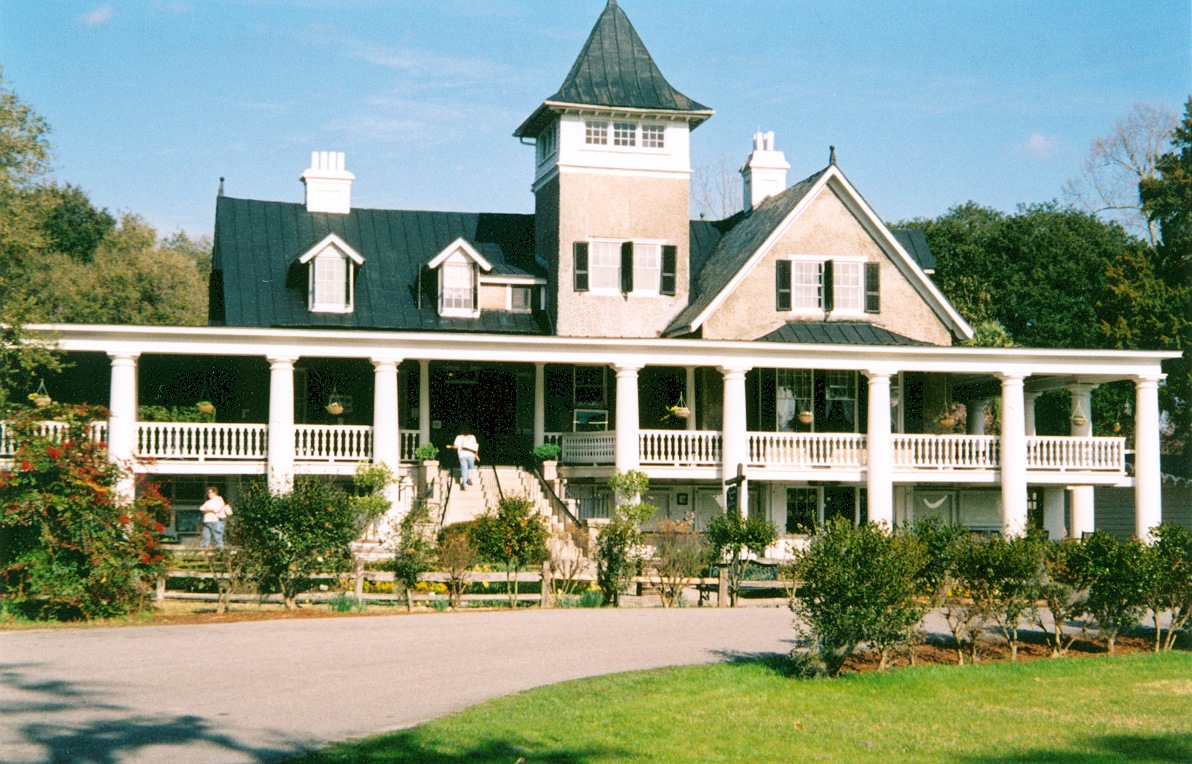
The building visitors see now is a reconstruction based on what went up after the war. Its oldest section was built before the Revolutionary War near Summerville, then transported down the Ashley River after the war and added to the house during the rebuilding. The wide verandah and the huge columns are more recent additions. Since 1941, about 199 acres have been worked as a wholesale ornamental plant nursery to fund the gardens.
Five Cabins and the From Slavery to Freedom Program
Of the five cabins on site, four were built in slavery times and one around 1900. During Reconstruction and afterward, freedmen lived in the former slave cabins, and the buildings have been restored to differing periods, one to 1850 and others to the decades after the Civil War and into the 20th century. The interpretive program, From Slavery to Freedom, addresses African American history on the plantation, and archeological work continues to reveal more about the lives of enslaved and free Black workers, many of them skilled gardeners and craftsmen. Magnolia has been credited for including information about slavery on its website, something not every plantation attraction has done.
What Gets Reported Here, and What Cannot Be Confirmed
This is where the honest answer is a short one. The documented record of Magnolia Plantation, including its National Register listing and its own public history, describes no specific apparition, no named ghost and no verified paranormal incident. The property’s reputation in regional ghost lore rests on atmosphere and on what happened here historically: the burning of the house, the generations of enslaved people who lived and died on the land, and the surviving cabins. Those are real. The hauntings attached to them, by contrast, come without dates, names or witnesses on the record, and should be treated as folklore until something better turns up.
Planning a Day at 3550 Ashley River Road
Magnolia is operated as a house museum and tourist attraction, open daily with an admission fee, so there is no need for after hours arrangements or special permission. Beyond the house, the draws are a nature train, a marsh boat tour, a wildlife area and a petting zoo, many of them added starting in 1975 during the garden’s renewal.
Gardeners will want time for the Camellia Collection, whose first Camellia japonica plantings date from the 1820s and which now holds nearly 900 varieties, around 150 of them bred in the gardens’ own nursery. Flowerdale has sections established in 1680 and two large camellias dating from the 1840s. The maze is a replica of England’s Hampton Court maze, planted with some 500 Camellia sasanqua interspersed with Burford holly. Long Bridge was built in the 1840s and is one of seven bridges on the grounds. Visitors who come for a ghost will probably leave without one. Visitors who come for the history will not run short.
Address: 3550 Ashley River Road, Charleston County, South Carolina
See Magnolia Plantation and Gardens for Yourself
Sources
- Magnolia Plantation and Gardens (Sc (official))
- Disturbing wedding trend: Getting married at a plantation
- Magnolia Plantation Visitor's Info
- NPGallery NRHP Archive Search (National Park Service)
- Loc (official)
- Wikipedia: Magnolia Plantation and Gardens (Charleston, South Carolina)
Frequently Asked Questions
Where is Magnolia Plantation Gardens Charleston located?
Magnolia Plantation Gardens Charleston is located at 3550 Ashley River Road, Charleston County, South Carolina.
Can you visit Magnolia Plantation Gardens Charleston?
Magnolia Plantation Gardens Charleston is open to the public. Always follow posted rules and respect private property.
Reader sightings
Nobody has reported anything here yet. If you have been, you would be the first.
Report your own visit to Burned, Rebuilt, Retold: Haunted Magnolia Plantation
How haunted is this place?
Be the first to rate
Ghost Tours Nearby
 Haunted Evening Horse and Carriage Tour of Charlestonfrom $45
 Real Hauntings of Charleston! (Small Group Ghost Tour)from $32
 Charleston Haunted Jail Night-Time Walking Tour with Admission to Old City Jailfrom $46
Affiliate links: BeyondHaunted may earn a commission, at no extra cost to you.
Leave a Reply