
Reviewed by Josh N · Updated October 21, 2025 · How we verify
Reported Phenomena
- Shadow figures
- Phantom footsteps
Reported by visitors & local legend. Stories, not verified claims.
Address: 100 Ridges Circle, Athens, Ohio 45701, USA.
URL: https://www.ohio.edu/ridges/current-use
History of the Asylum
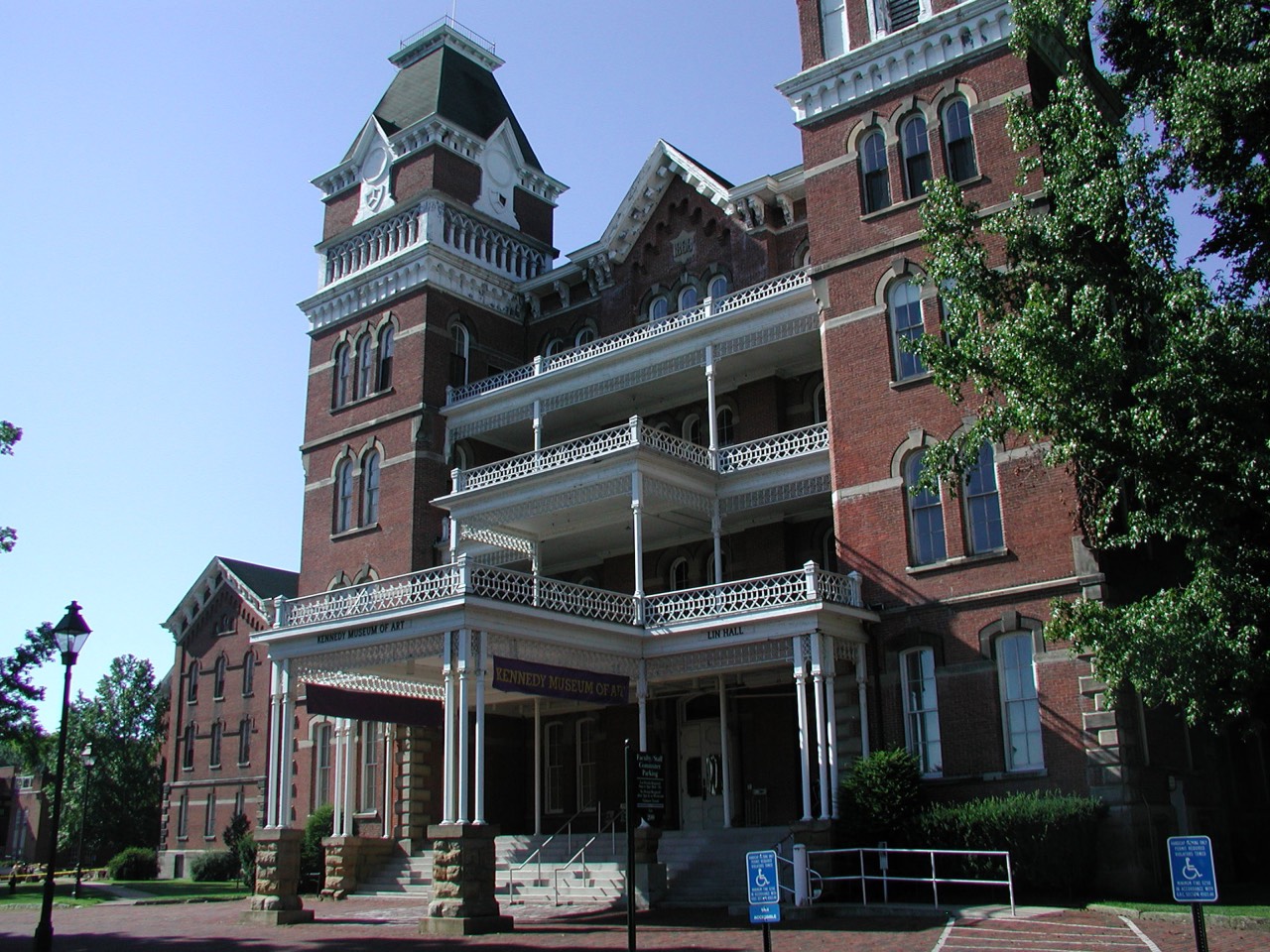
From the onset it was intended to reflect reformist ideals. Construction of the Athens Lunatic Asylum began in 1868 and concluded in 1873. It opened in 1874, following the design principles of the Kirkbride Plan, characterized by curing environments with light, air circulation and separate wings.
At its peak the campus spanned roughly 700+ acres and had dozens of buildings housing up to about 1,800 patients. Over time, as treatment paradigms changed and institutional reform advanced, the facility’s role diminished. It finally closed as a mental-health hospital in 1993. After closure, the land and many of the buildings were transferred to Ohio University and repurposed for classrooms, research labs, and other uses.
Institutional Life & Atmosphere at The Ridges
Originally, the asylum was envisioned as a therapeutic setting rather than simply a detention centre. Patients had access to farm work, orchard care, greenhouses, reflecting the era’s belief that meaningful activity and environment aided treatment.
However, it also faced overcrowding, under-funding, and controversial treatments typical of large institutions of its time. Some of the treatments included electroshock therapy, lobotomies, and hydrotherapy.
The grounds included its own dairy and farm operations, one barn built in 1914 survives as a historic structure.
Hauntings & Reported Encounters
What we found so compelling was how the very architecture and history of the place feed into its ghost stories.
- People report hearing footsteps in empty corridors, seeing shadow figures in wings that are long-closed or locked off.
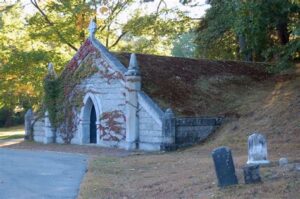
- The burial grounds behind the main buildings, used for many unmarked graves, lend the property a heavy sense of history and loss.
- One well-circulated story involves a patient named Margaret Schilling whose body was found in an unused wing in the late 1970s and whose outline remained on the floor.
While none of these reports are verifiable as definitive proof of the paranormal, they tie in strongly with the site’s saga of treatment, abandonment and transformation.
Why the Athens Asylum Matters
What makes this place stand out is the contrast: it began with progressive intentions (for its era), but evolved into a site marked by institutional complexities, changing medical views, and haunted legacies.
Architecturally, the building is one of the more complete examples of a Kirkbride-style asylum still in use (albeit repurposed) in Ohio.
Furthermore, for paranormal investigators and history seekers alike, the Athens Lunatic Asylum offers more than just ghost stories, it invites reflection on how mental-health treatment has evolved, and how places designed to heal sometimes become places that hold heavy memory.

Visiting Tips
- Reserve a guided walking tour via the Southeast Ohio History Center or Ohio University, especially if you want historical context and access.
- Bring a flashlight, stick to designated public areas, and don’t enter buildings without approved access. Many original wings are locked or unsafe.
- Respect the fact that this was once a hospital where real people lived and died, not just a haunted backdrop.
- Go during daylight if possible, while evening explorations might seem atmospheric, they carry higher risks (poor lighting, uneven flooring, restricted access).
- Be aware of parking and local regulations: the property now serves academic and research functions, so uncontrolled access may lead to trouble.
Sources
- History of The Ridges – Ohio University. https://www.ohio.edu/ridges/history
- Athens Lunatic Asylum – Wikipedia. https://en.wikipedia.org/wiki/Athens_Lunatic_Asylum
- “The Athens Asylum Was at the Forefront of Treatment in the 19th Century” – NEH. https://www.neh.gov/humanities/2018/summer/statement/the-athens-asylum-was-the-forefront-treatment-in-the-19th-century
- Athens Lunatic Asylum – The Little House of Horrors. https://thelittlehouseofhorrors.com/the-athens-lunatic-asylum-the-ridges/
Frequently Asked Questions
Where is Athens Lunatic Asylum located?
Athens Lunatic Asylum is located at 100 Ridges Circle, Athens.
Can you visit Athens Lunatic Asylum?
Athens Lunatic Asylum is open to the public. Always follow posted rules and respect private property.
Reader sightings
Nobody has reported anything here yet. If you have been, you would be the first.
Report your own visit to The Haunted History of Athens Lunatic Asylum | The Ridges in Ohio
How haunted is this place?
Be the first to rate

Leave a Reply