
Reviewed by Josh N · Updated March 5, 2026 · How we verify
Reported Phenomena
- Spectral figures
- Phantom footsteps
- Unexplained sounds
Reported by visitors & local legend. Stories, not verified claims.
Address: 7747 U.S. Highway 61, St. Francisville, LA 70775
Phone: (225) 635-6277
Website: The Myrtles Plantation
Good to know: The grounds are open to the public seven days a week, and tours can be booked online.
On-site dining: Restaurant 1796 is on the property.
Stay: Book your stay at The Myrtles
Book your stay at The Myrtles
Why The Myrtles Plantation keeps showing up on “most haunted” lists
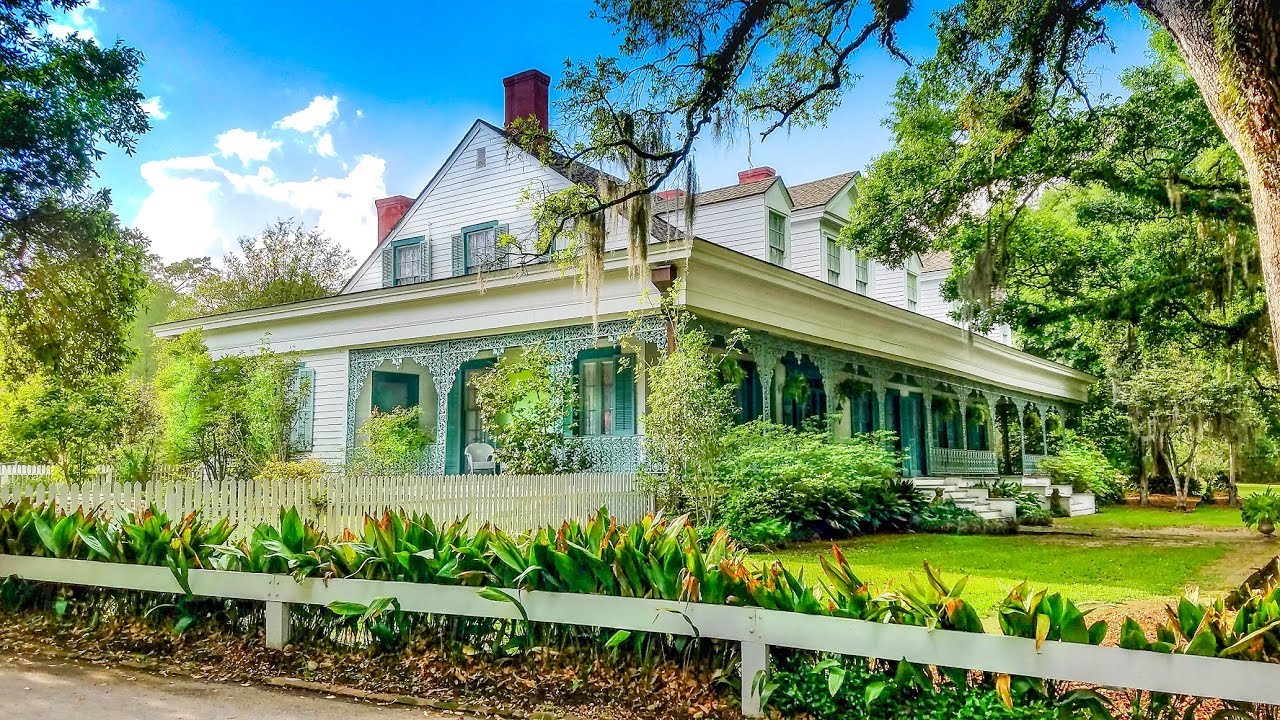
The Myrtles Plantation, a historic house and former plantation in Louisiana, has been marketed for decades as a place where Southern architecture, tragedy, and ghost lore overlap. National Geographic called it “one of America’s most haunted homes” in a 2008 travel feature, leaning into the site’s reputation as both a lodging option and a paranormal tourism stop.
Today, the property operates as a hotel and attraction offering multiple tour formats, including evening “mystery” tours that focus on folklore and reported encounters.
A short, documented history of the house
The Myrtles is closely tied to General David Bradford, a wealthy Pennsylvania judge and businessman remembered for his role in the Whiskey Rebellion (1794). The National Register paperwork lists Bradford as the builder and dates the early construction to the 1796 to 1797 period.
The nomination describes the house as being built in two major phases:
- The earliest portion (1796) formed the western section of the main facade.
- A mid-19th-century renovation brought major interior changes, plus a substantial southward extension that nearly doubled the home’s size and added features like the prominent galleries.
Ownership and stewardship changed over time, and the property’s current operators also publish a timeline that includes yellow fever-era deaths and the later renaming of the estate “The Myrtles,” inspired by crape myrtles around the manor.
What makes the architecture memorable
Even if you showed up with zero interest in ghosts, the building is the kind of place that stops you in your tracks.
Highlights drawn from the National Register description include:
- A long front gallery (porch) that stretches roughly 107 feet across the main facade.
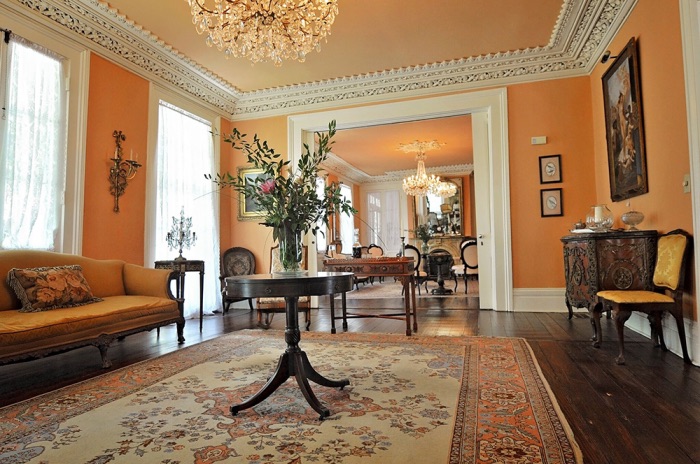
- An 1850s-era renovation that reshaped room proportions and installed elaborate decorative detailing.
- The overall “expanded raised cottage” form that became common in Louisiana plantation houses by the mid-1800s.
That combination, early core plus a dramatic mid-century expansion, helps explain why the Myrtles feels both intimate and sprawling at the same time.
Book your stay at the Myrtles Plantation
The death that anchors the legend: William Winter (1871)
A lot of haunted-location storytelling collapses under scrutiny, but one violent event connected to the Myrtles is widely treated as historically verifiable: the killing of William Drew Winter on the property in January 1871.
Where things get complicated is what happened next.
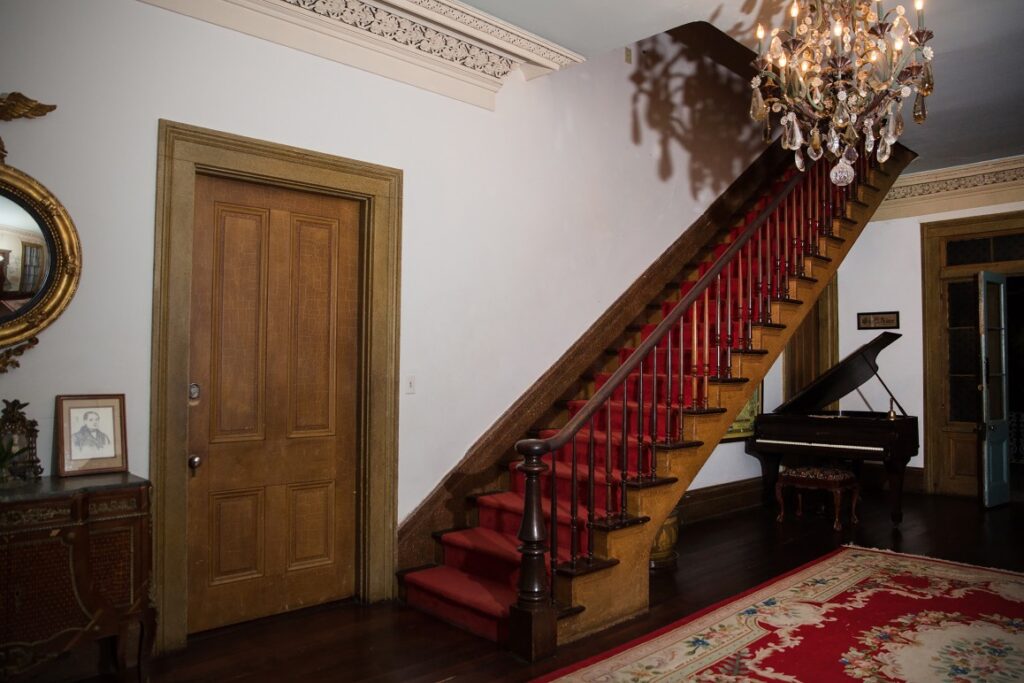
Many tour retellings say Winter staggered inside, reached the 17th stair, and died there, which then becomes the explanation for “phantom footsteps” that stop on a specific step. A travel piece syndicated by The Dallas Morning News described the 17-step story as part of what visitors are told, and also reported staff stories about guests leaving early after being frightened.
Researchers who have dug into records dispute that dramatic staircase detail, arguing the popular version is folklore rather than documentation, even while acknowledging how enduring the story has become.
The Chloe story, the “10 murders” claim, and why you should separate legend from record
If you have ever heard “ten murders happened at the Myrtles,” you are not alone. That line has been repeated so often it feels like a settled fact. Multiple researchers and writers have pushed back, arguing that only one murder is clearly documented as occurring at the house (Winter), while other alleged killings do not show up in records as described.
The most famous ghost name attached to the Myrtles is Chloe. In popular lore, she is portrayed as an enslaved household servant involved in a scandal that spirals into poisoning and a hanging. National Geographic’s travel feature repeats the broad outline as legend, which is a good example of how widely the story has traveled beyond local tours.
At the same time, debunking-focused research argues the Chloe story is either unverified in surviving records or substantially altered over time, and that some deaths popularly framed as murder were actually disease-related.
The most honest takeaway is this: the Myrtles’ haunted reputation is built from a blend of documented history, family stories, tour tradition, and sensational retellings that evolved as the site became famous.
Reported hauntings people come to experience
Even when you set aside the most questionable claims, the Myrtles still has a long list of reports that keep the place buzzing. Here are the recurring themes that show up across mainstream coverage, tour marketing, and haunt-lore discussions:
- Guests and staff describing sudden fear, unexplained noises, and the sense that someone is moving through hallways or stairwells.
- Apparition reports, including recurring stories of a woman in a green head covering, plus children seen or heard near the veranda.
- The “haunted mirror,” often pointed out as a focal object during paranormal storytelling about the property.
Whether a visitor interprets these as supernatural, atmospheric, or suggestible depends on the person. What is consistent is that the Myrtles has been positioned as a place to look for experiences, and that framing shapes what people notice.
Ghost tours, pop culture, and the modern Myrtles brand
The Myrtles leans into both history and mystery. The official tour page promotes multiple options (day tours, evening tours, self-guided visits, private tours), and it explicitly frames the property as a destination for folklore and “ghostly encounters.”
In recent years, the plantation has also continued to appear in paranormal media. Netflix’s own Tudum guide for the docuseries Files of the Unexplained lists an episode centered on the Myrtles Plantation and its reputation for spirits roaming the historic inn.
Book Your Stay at The Myrtles
The part that often gets missed: slavery, storytelling, and ethics
The Myrtles is not just a spooky stop. Like many plantation sites, it sits on a foundation of enslaved labor. Scholars who study “dark tourism” have looked closely at how plantation ghost stories often center enslaved figures, and how those narratives can slip into stereotypes or sensationalism when presented for entertainment.
If you visit, it is worth listening for:
- What a guide can tie to documents, dates, and named individuals
- What is explicitly presented as legend or folklore
- Whether the interpretation acknowledges enslaved lives beyond a single ghost story
That does not ruin the mystique. It just keeps the story honest.
If you go: practical tips for a respectful, safe visit
- Book tours ahead, especially if you want an evening slot.
- If you plan to dine on-site, check Restaurant 1796 hours and call the restaurant line if you need details.
- Go in expecting a blend: real architecture and real history, plus folklore that varies depending on who is telling it.
Before the sources: Never trespass on property that is not yours without permission. Ghost hunting can be dangerous, so use caution, follow the rules, and prioritize safety.
Sources
- The Myrtles (official site)
- National Park Service, National Register of Historic Places
- National Geographic Travel, “Myrtles Plantation: The South’s Spookiest House”
- American Hauntings, “Myrtles Plantation: Legends, Lore and Lies”
- University of North Carolina Press
- Oxford Academic (UNC Scholarship Online), chapter abstract on Myrtles ghost stories and stereotypes
Frequently Asked Questions
Where is Myrtles Plantation located?
Myrtles Plantation is located at 7747 U.S. Highway 61, St. Francisville, LA 70775 .
Can you visit Myrtles Plantation?
Myrtles Plantation is a place where you can stay overnight. Always follow posted rules and respect private property.
Reader sightings
Nobody has reported anything here yet. If you have been, you would be the first.
Report your own visit to Myrtles Plantation Hauntings and History
How haunted is this place?
Be the first to rate
Leave a Reply