
Reviewed by Josh N · Updated March 5, 2026 · How we verify
Reported Phenomena
- Disembodied voices
- Phantom footsteps
- Cold spots
Reported by visitors & local legend. Stories, not verified claims.
Address: 601 N Church St, Spring City, PA 19475
Official site: Pennhurst Asylum
Phone: (484) 886-6080
Hours: Events and tour times vary by season and ticket type. Check the official ticket calendar for current dates and start times.
Hotels: Book a Hotel Near Pennhurst Asylum
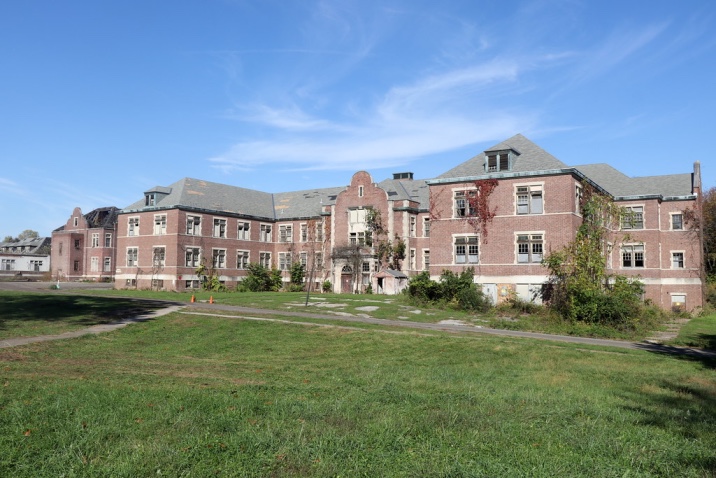
Pennhurst is one of those places where the “haunted attraction” label can overshadow what the site really represents. Historically, it was the Pennhurst State School and Hospital, a massive, state-run institution that operated in Pennsylvania from 1908 to 1987 and became a flashpoint in the disability rights movement.
Today, it’s a museum and tour site that also hosts ticketed haunted events and overnight paranormal investigations, which is why you’ll see it commonly referred to as “Pennhurst Asylum.”
Quick visitor overview
Pennhurst offers multiple ways to visit, and the experience can feel very different depending on what you book:
- Daytime history tours and museum experiences focus on the real story of Pennhurst, including guided interpretation and preserved artifacts. Tours are described as roughly three hours, covering the lower campus exteriors and remediated spaces, with accounts that may include testimony from former employees.
- Overnight paranormal investigations are marketed specifically for ghost-hunting style visits, with access to Mayflower Hall and specified tunnel areas. The site notes a 7:00 PM start and a 2:00 AM end time for investigations, with guests asked to arrive earlier.
- Age requirement: The overnight investigation listing states guests must be 18+ (with underage guests requiring a guardian for the entire visit).
What Pennhurst Asylum was, and why it still matters
Pennhurst opened in 1908 under its original name, the Eastern Pennsylvania Institution for the Feeble Minded and Epileptic, during an era when states across the U.S. increasingly segregated people with intellectual and developmental disabilities from public life.
Over eight decades, more than 10,500 individuals lived there, and at its peak Pennhurst held more than 3,500 residents in custodial care.
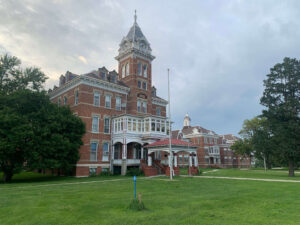
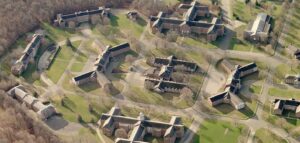
The campus itself was built on a scale that still shocks first-time visitors. The Encyclopedia of Greater Philadelphia describes Pennhurst as a compound stretched along the Schuylkill River near Spring City, constructed in stages across lower and upper campuses, with underground tunnels connecting principal buildings.
From “model institution” to public scandal
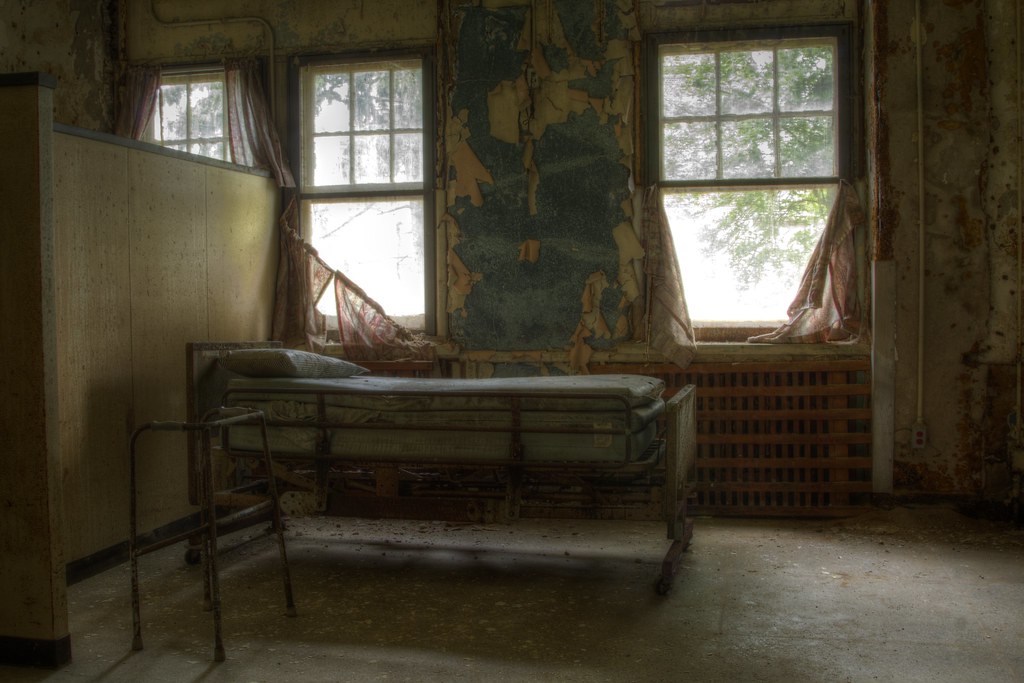
Pennhurst’s story is often summarized as a descent from early optimism to systemic failure. By the mid-20th century, advocacy groups and families increasingly challenged conditions and institutional practices, and media coverage became a turning point.
A major moment came in 1968, when Philadelphia reporter Bill Baldini aired a five-part television exposé titled “Suffer the Little Children,” bringing images of Pennhurst’s living conditions into public view.
Temple University’s Institute on Disabilities has also preserved interview material with Baldini discussing his experience reporting on Pennhurst, giving additional historical context around the broadcast.
Book a Hotel Near the Pennhurst Asylum
This is where Pennhurst becomes more than “creepy abandoned buildings.” It’s a site tied to how the public learned, in real time, what institutionalization could look like behind locked doors, and how families and advocates used that attention to demand change.
Halderman v. Pennhurst and the disability rights movement
Pennhurst is closely linked to landmark litigation that reshaped disability policy and the push toward community-based living. The Encyclopedia of Greater Philadelphia highlights Halderman v. Pennhurst State School and Hospital as a groundbreaking civil rights lawsuit, noting a 1984 settlement and describing the case as instrumental in Pennhurst’s eventual closure.
Key legal milestones connected to Pennhurst include:
- The final settlement document (often cited as a major driver of closure planning and deinstitutionalization timetables).
- U.S. Supreme Court decisions involving Pennhurst v. Halderman, including the 1984 decision commonly cited for its Eleventh Amendment implications.
- Case summaries and timelines compiled by civil rights litigation archives and legal clearinghouses that track the long-running enforcement and compliance disputes around community services after residents left the institution.
If you only remember one thing: Pennhurst is widely treated as a catalyst and symbol in the broader disability rights struggle, not just a “haunted asylum.”
The campus today: tours, museum work, and preservation
Pennhurst’s public-facing identity today is a hybrid: part public history site, part seasonal haunted attraction, and part paranormal destination.
The site’s official daytime tour page emphasizes professional guides, preserved artifacts, and the importance of engaging the “true and uncensored past,” including content that may be triggering.
On the preservation side, public history organizations have written about the complicated ethics of interpreting Pennhurst within a fright-attraction business model, while also noting ongoing museum and outreach efforts connected to the Pennhurst Memorial and Preservation Alliance.
Pennhurst is also associated with “Sites of Conscience” work. The Pennhurst Memorial and Preservation Alliance notes joining the International Coalition of Sites of Conscience in 2008.
Reported hauntings and paranormal claims
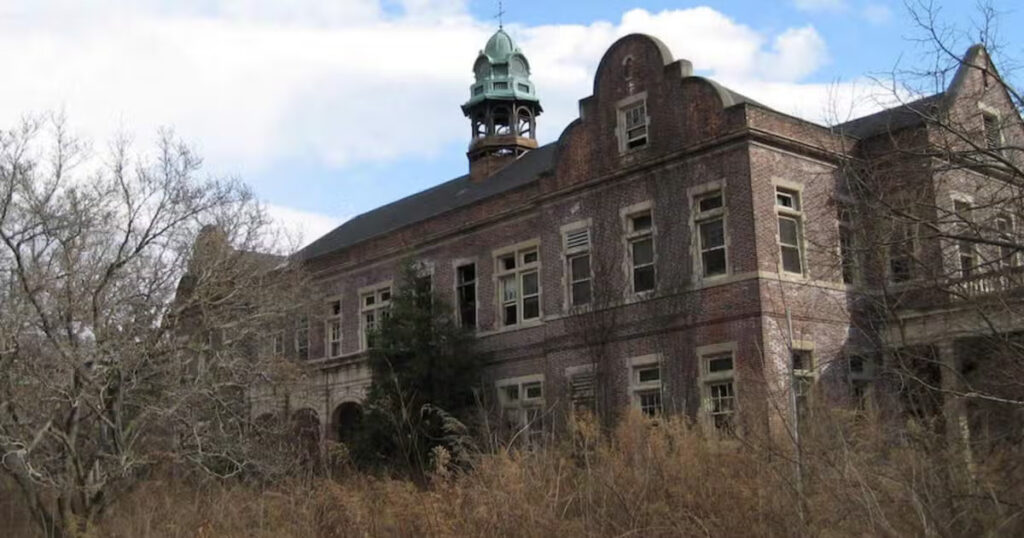
Pennhurst’s reputation as a haunted location is fueled by a mix of on-site tour marketing, visitor testimony, and televised investigations.
What the site itself claims you can do on paranormal nights
Pennhurst’s paranormal investigations page describes:
- guided “paranormal expert” tours before sunset
- opportunities for EVP sessions and EMF sweeps
- the option to bring your own equipment or use gear provided by the site
It also describes practical realities that shape the experience: tours run rain or shine, there may be no heat or running water on-site, and drugs or alcohol are forbidden.
Popular hotspots mentioned in tours and media
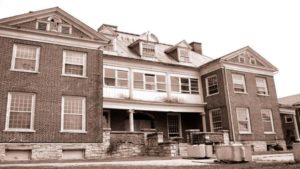
The overnight investigation listing specifically calls out Mayflower Hall and certain underground tunnel areas as part of the experience. Those location names show up repeatedly in paranormal discussions because they are both physically atmospheric (long corridors, large dormitory buildings, underground passages) and historically loaded.
Televised investigations that helped cement the haunted reputation of Pennhurst Asylum
Pennhurst has been featured in paranormal television, including:
- Ghost Adventures (episode listing for “Pennhurst State School and Hospital,” aired in 2009).
- A 2019 A&E special promoted as “World’s Biggest Ghost Hunt: Pennhurst Asylum,” tied to Ghost Hunters programming.
What visitors say they experience
Reported experiences vary widely, but the most common themes (also echoed by how tours are structured) include:
- voices or sounds that seem to come from empty rooms or hallways
- sudden cold spots
- unexplained knocks, footsteps, or movement
- EVP snippets that investigators interpret as words or short phrases
A recent PEOPLE feature describing an overnight visit also recounts investigators reporting disembodied voices, cold spots, a ringing bell, and EVP-like moments, framed with an emphasis on respecting the site’s tragic history.
A careful way to think about Pennhurst’s “hauntings” is this: the experiences are real to the people who have them, but the evidence is typically anecdotal and interpreted through the lens of expectation, environment, and emotion. That’s not a knock on paranormal belief. It’s simply the honest state of what’s publicly documented.
Planning your visit: choosing the right tour
If you want history first:
Book a daytime history tour. The official tour description stresses guided interpretation, preserved artifacts, and the importance of approaching the topic respectfully, with warnings that content may be difficult.
What to bring:
- comfortable shoes for uneven surfaces and lots of walking
- weather-appropriate layers (parts of the campus are open-air)
- a willingness to hear hard stories, not just ghost lore
If you want a structured paranormal “ghost hunt”
The paranormal investigation format is more like a long, supervised investigation window than a traditional walkthrough. It’s explicitly designed for:
- small-group guiding
- investigation sessions (EVP, EMF, photography)
- late-night access to named buildings and areas
Practical tips based on the site’s own guidance:
- dress for conditions (rain, cold, no heat)
- pack extra batteries and a flashlight
- plan for limited amenities, since the listing warns about no running water or heat
Book Your Stay Near the Pennhurst Asylum
A note on ethics and respect at Pennhurst
Pennhurst is not just a spooky shell of brick buildings. It’s a place where real people lived, often under conditions that became the subject of public outrage and landmark legal action.
If you visit, the best mindset is to treat it like a memorial site that also happens to be a magnet for paranormal curiosity.
Respectful behavior looks like:
- keeping voices down in museum spaces and guided history areas
- avoiding jokes about residents or disability
- focusing your photos and stories on learning and remembrance, not exploitation
Never trespass on property that isn’t yours without permission, and remember that ghost hunting can be dangerous, so always use caution.
Sources
- Pennhurst Asylum official site
- Encyclopedia of Greater Philadelphia
- NBC10 / NBC Philadelphia: “Suffer the Little Children” video
- Public Interest Law Center PDF
- IMDb: Ghost Adventures episode listing for Pennhurst (2009)
- A&E press release: “World’s Biggest Ghost Hunt: Pennhurst Asylum”
- PEOPLE: overnight visit feature
Frequently Asked Questions
Where is Pennhurst State School And Hospital located?
Pennhurst State School And Hospital is located at 601 N Church St, Spring City, PA 19475 .
Reader sightings
Nobody has reported anything here yet. If you have been, you would be the first.
Report your own visit to Pennhurst Asylum: The True History, Disability Rights Legacy, and Reported Hauntings
How haunted is this place?
Be the first to rate
Ghost Tours Nearby
 Dark Philly Adult Night Tourfrom $38
 Philadelphia's Haunted History & Ghost 1.5 Hr Night Walking Tourfrom $39
 The Phantom Penance of Philadelphia Ghost Tourfrom $26
Affiliate links: BeyondHaunted may earn a commission, at no extra cost to you.
Leave a Reply