
Reviewed by Josh N · Updated April 23, 2026 · How we verify
Location: Ansley Park Historic District, Atlanta, Georgia. It sits west of Piedmont Park between Peachtree Street and Piedmont Avenue. This is a historic residential neighborhood rather than a single-ticket attraction, so there is no one front gate or visitor center. Public streets and green spaces are accessible, but the homes themselves are private residences.
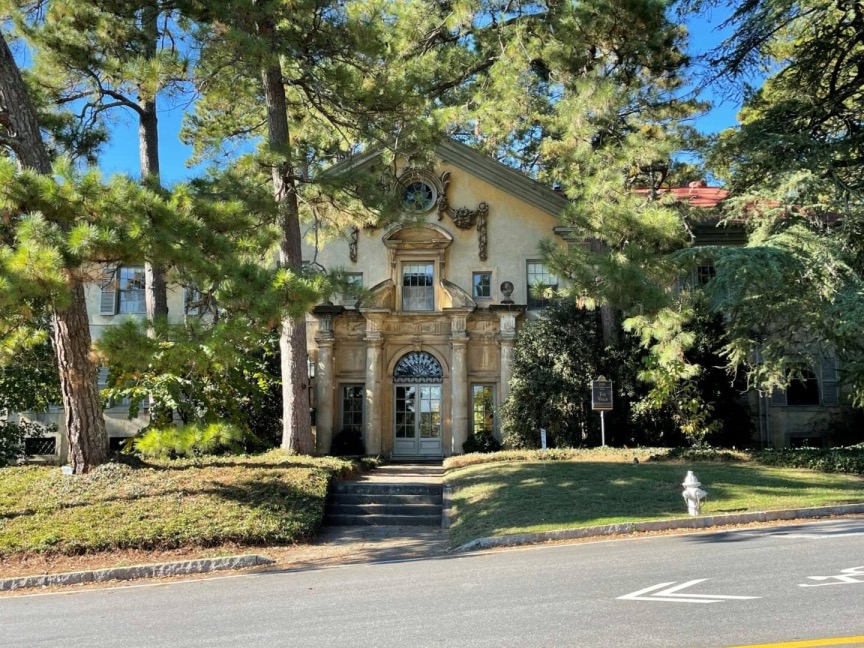
Ansley Park is one of Atlanta’s most visually striking historic neighborhoods, and it absolutely has the kind of setting that makes people think about ghost stories. The streets curve instead of following a strict grid, the homes are old and grand, and the landscaping was intentionally designed to feel picturesque and secluded. But when you separate mood from documentation, Ansley Park is better known for architecture, planning history, and preservation concerns than for a deeply established haunting record.
The History of Ansley Park
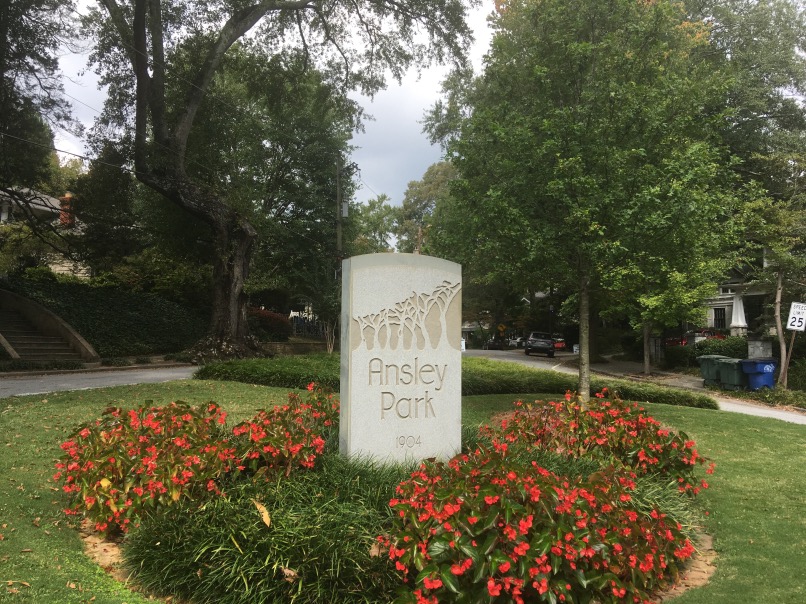
Ansley Park was first developed in 1904 as the vision of Edwin P. Ansley, who acquired the land with other prominent businessmen after it had long been owned by George Washington Collier. The neighborhood was planned as a motorcar-oriented suburb with wide, winding streets and generous green space, aimed at attracting some of Atlanta’s wealthiest families. The neighborhood’s own history page notes that it was once home to Georgia’s Governor’s Mansion for many years.
The National Park Service describes Ansley Park as an early twentieth-century suburban residential district of about 275 acres with roughly 600 houses, several apartment buildings, and a church. Its development unfolded in phases from 1904 to 1913, and the neighborhood was largely complete by 1930. One of its defining features was the way the street plan followed the rolling topography instead of forcing a rigid street grid onto the land.
Architecturally, Ansley Park is important because it contains an eclectic mix of styles and homes by major Atlanta architects. Discover Atlanta highlights architects such as Neel Reid, Philip Trammell Shutze, and P. Thornton Mayre, while also noting styles including Colonial, Federal, Italian Renaissance, and Queen Anne. The Georgia Trust likewise points to the neighborhood as one of Atlanta’s most architecturally significant historic districts.
Why Ansley Park Feels Like a Haunted Place
Even without a famous ghost legend attached to every corner, Ansley Park has a built-in eerie atmosphere.
- The roads are curving and irregular rather than straight and predictable.
- The parks and greenswards are woven into wooded hills and valleys.
- The neighborhood is filled with large early twentieth-century homes and mature trees.
- It sits in an old, history-rich section of Atlanta near other major historic landmarks.
That kind of environment naturally invites folklore. A neighborhood like this can feel especially uncanny at night because it looks older, quieter, and more hidden than much of modern Atlanta. But atmosphere alone is not the same thing as a documented haunting.
Are There True-Life Ghost Encounters Tied to Ansley Park?
This is where the story gets more careful and more honest. In the official, preservation, and historical sources reviewed for Ansley Park itself, the focus is overwhelmingly on urban design, architecture, neighborhood identity, preservation, and restoration. Those sources do not present Ansley Park as one of Atlanta’s signature haunted locations.
That does not mean nobody has ever told a ghost story about the neighborhood. Old neighborhoods almost always attract rumors. But there is a difference between scattered local anecdotes and a well-documented haunting tradition. For Ansley Park, the stronger verified historical record is about how the neighborhood was built, how it declined after World War II, and how residents helped revive and preserve it through planning and restoration efforts beginning in the 1960s.
The Georgia Trust has even identified Ansley Park as a preservation concern because, despite its National Register status, the district has faced the loss of historic structures through demolition and incompatible infill. That tells you a lot about what makes this place significant in the historical record. Its story is rooted in preservation, not in sensational paranormal claims.
The Nearby Haunted Connection: Rhodes Hall
Part of the confusion may come from nearby Rhodes Hall, which sits just across Peachtree Street from Ansley Park. Discover Atlanta explicitly places Rhodes Hall across from the neighborhood, and the Georgia Trust describes Rhodes Hall as a 1904 landmark at 1516 Peachtree Street NW.
Unlike Ansley Park itself, Rhodes Hall is openly promoted as one of Atlanta’s most haunted buildings. The Georgia Trust’s Legends and Lore material says visitors can hear stories of ghostly encounters and unexplained phenomena reported by guests and staff, and Discover Atlanta describes it in similar terms as one of the city’s most haunted buildings.
So if someone says the Ansley Park area feels haunted, they may be blending the neighborhood’s old-world atmosphere with the much stronger haunted reputation of Rhodes Hall nearby.
Final Verdict
Ansley Park is a fascinating historic district in Atlanta, and it is absolutely the kind of place that looks and feels like it should be haunted. Its curving streets, old homes, and lush landscape give it real atmosphere. But based on the stronger historical and preservation sources, Ansley Park is not one of Georgia’s best documented haunted sites. Its importance is much clearer in the record as an early automobile suburb, an architectural showcase, and a neighborhood worth preserving.
For a paranormal site, that still makes Ansley Park interesting. It is a good example of a place where the setting feels ghostly even when the hard evidence for hauntings is thin. Sometimes the eeriest locations are the ones where history, beauty, and suggestion do most of the work.
Never trespass on property that is not yours without permission, and remember that ghost hunting can be dangerous, so always use caution.
Sources
- Ansley Park Civic Association, “Ansley Park History.”
- National Park Service, Ansley Park Historic District nomination materials.
- American Planning Association, “Ansley Park: Atlanta, Georgia.”
Frequently Asked Questions
Where is Ansley Park located?
Ansley Park is located at 1904 landmark at 1516 Peachtree Street.
Can you visit Ansley Park?
Ansley Park is open to the public. Always follow posted rules and respect private property.
Reader sightings
Nobody has reported anything here yet. If you have been, you would be the first.
Report your own visit to Is Ansley Park in Georgia Haunted? History, Atmosphere, and What the Record Actually Shows
How haunted is this place?
Be the first to rate
Ghost Tours Nearby

Affiliate links: BeyondHaunted may earn a commission, at no extra cost to you.





Leave a Reply