
Reviewed by Josh N · Updated May 14, 2026 · How we verify
Reported Phenomena
- Spectral figures
- Phantom footsteps
- Phantom children
Reported by visitors & local legend. Stories, not verified claims.
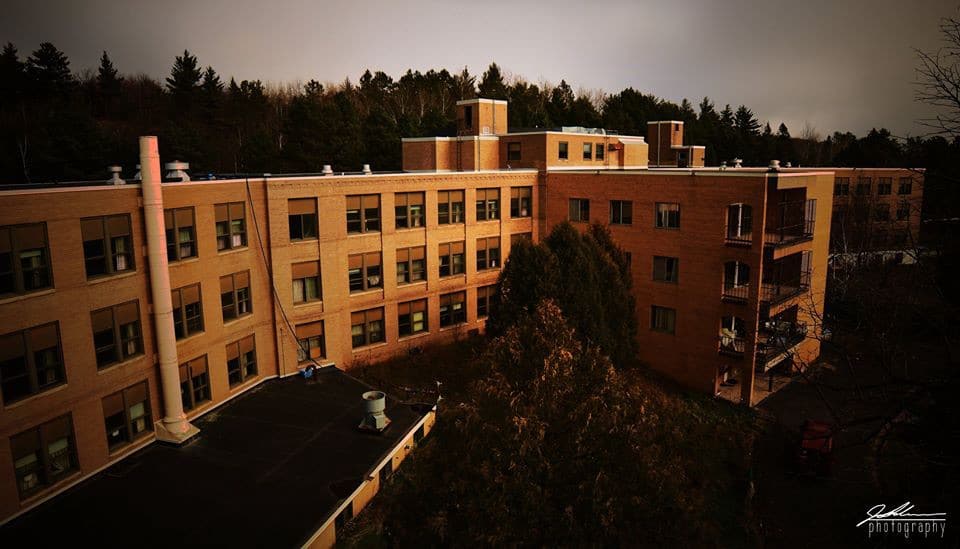
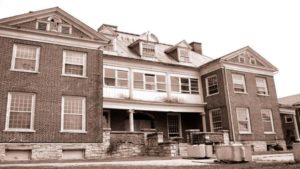
Nopeming Sanatorium is one of the most talked-about abandoned places in Minnesota. Set back in the woods near Duluth, the former tuberculosis hospital later became a nursing home before closing in 2002. Today, it is best known for its eerie empty hallways, its long medical history, and the ghost stories that have followed it for years.
Address: 2650 Nopeming Road, Duluth, MN 55810
Status: Closed to the public, with no confirmed active public tour hours at the time of writing
Official website: The current Nopeming website only shows a “Launching Soon” update page
Phone: A public business listing shows (218) 624-0400, but visitors should verify all contact details before relying on it
Quick Facts About Nopeming Sanatorium
- Location: Duluth area, Minnesota
- Original purpose: Tuberculosis sanatorium
- Opened: May 22, 1912
- Later use: Nursing home and care center
- Closed: November 2002
- Known for: Tuberculosis history, abandoned hospital setting, ghost stories, former paranormal tours
- Access: Private property, not open for casual exploring
The Minnesota Historical Society’s Nopeming records state that the sanatorium opened for tuberculosis patients on May 22, 1912, under the direction of the St. Louis County Sanatorium Commission. The name “Nopeming” is connected to Ojibwe language meanings such as “out in the woods” or “in the forest,” which fits the isolated setting that helped define the property from the beginning.
Why Nopeming Sanatorium Was Built
Nopeming was created during a time when tuberculosis was one of the most feared diseases in America. Before effective antibiotic treatment, patients were often sent to sanatoriums where fresh air, rest, nutrition, and isolation were considered essential parts of care.
The St. Louis County Board investigated the location carefully. According to historical records, the site was chosen based on accessibility, protection, sanitation, scenic environment, and agricultural development. The county originally authorized the purchase of an 80-acre site in 1910, and the property later expanded to 269.72 acres by 1924.
The wooded location was not accidental. Sanatoriums of that era were often placed away from crowded cities because isolation was part of the treatment strategy. Nopeming’s setting near the St. Louis River valley gave it the kind of quiet, open-air environment doctors believed could help tuberculosis patients recover.
The Early Years of the Sanatorium
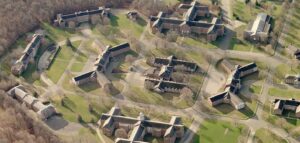
The first building contract was awarded in 1911. By the following spring, the main building and a children’s cottage had been completed. Duluth citizens contributed money toward the children’s cottage, showing that Nopeming was not only a medical project but also a public effort tied closely to the surrounding community. By the late 1920s, the campus had grown to 30 buildings valued at $500,000.
Nopeming served both adults and children. The Minnesota Historical Society records note that patient numbers increased from 45 in 1912 to 200 in 1923. A 1924 report stated that 2,000 people with varying stages of tuberculosis had been admitted, while more than 4,000 others had been examined at a free anti-tuberculosis clinic at the St. Louis County Courthouse in downtown Duluth.
Life at Nopeming was not only about medical care. School was also held there, and historical records mention that some patients completed eighth grade and high school while living at the sanatorium. That detail gives Nopeming a more human dimension. It was a place of illness, but it was also a place where people tried to continue living ordinary lives under extraordinary circumstances.
Expansion and Medical Treatment
As tuberculosis cases continued, Nopeming grew. In 1938, an operating room was installed on the fourth floor of the Chateau building to handle chest surgeries. That same period brought new investments, including fire suppression upgrades and additional patient units. In 1948, a new 76-bed wing brought the total number of beds to 340.
Those expansions show how important Nopeming became to St. Louis County’s public health system. It was not a small rural hospital. It was a major medical campus built to deal with one of the deadliest diseases of its time.
From Tuberculosis Hospital to Nursing Home
By the 1950s, tuberculosis treatment was changing. Antibiotic medicine reduced the need for large sanatorium campuses, and many of these institutions had to find a new purpose.
At Nopeming, a study was conducted in 1954 to consider using part of the property as a nursing home. Nursing home patients began arriving in August 1957. In December 1971, Nopeming stopped operating as a tuberculosis sanatorium and became Nopeming Nursing Home. Tuberculosis patients were shifted to the responsibility of the St. Louis County Health Department, while the Welfare Department operated the facility as a county nursing home.
For the next several decades, the building housed elderly residents, including people who needed long-term care. This second chapter is just as important as the first. Many ghost stories focus on the tuberculosis era, but former staff members and later residents were also part of Nopeming’s emotional history.
Why Nopeming Closed
By the late 1990s and early 2000s, Nopeming was in financial trouble. Historical records describe the county-owned facility as operating at a loss. Beds were decertified, occupancy declined, and the facility’s name changed again in 2000 to Nopeming Care Center.
The final decision came in 2002. Minnesota Historical Society records state that state funding issues led the St. Louis County Board to vote on February 26, 2002, to close the facility. The decision came amid local outcry, especially because of the need to relocate Alzheimer’s and dementia patients. A study also concluded that $5.3 million was needed for basic repairs to the aging facility.
In November 2002, 151 patients were moved to Chris Jensen Health and Rehabilitation Center in Duluth. The Nopeming facility was shuttered that same month.
What Happened After the Closure
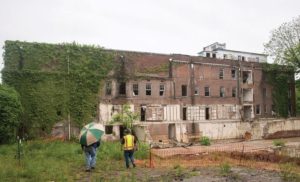
After the nursing home closed, Nopeming was left mostly vacant. Over time, the property became a magnet for urban explorers, vandals, photographers, paranormal investigators, and local curiosity seekers.
A 2017 Northern Wilds article described the building as virtually abandoned after St. Louis County transferred the last nursing home patients out in 2002. The article also noted hazards inside the property, including asbestos, lead-based paint, and mold.
Orison Inc. took ownership of the property in 2009, according to reporting from LakeVoice. The organization once discussed hopes for future community uses, including a museum, shelter space, housing for disabled residents, veteran-related use, foster care, or elder care.
For a period of time, Nopeming offered public and paranormal tours. Those tours helped fuel the building’s haunted reputation. However, later reports stated that the structures were ordered closed after fire safety concerns. A 2019 report said an inspector from the Minnesota State Fire Marshal’s Residential Care and Lodging Team issued an order after visiting the facility.
As of a 2025 Perfect Duluth Day update, the property was described as mostly vacant and formerly used at times as a haunted attraction before the state fire marshal’s team ordered the structures closed.
Is Nopeming Sanatorium Haunted?
Nopeming’s haunted reputation comes from a combination of real history, abandoned architecture, and reported personal experiences. There is no verified proof that the building is haunted, but the stories have been persistent enough to make Nopeming one of Minnesota’s best-known paranormal locations.
The most common reports include:
- Children’s voices or sounds
- A young girl seen or heard on upper floors
- Reports of laughter or giggling
- Claims of footsteps in empty hallways
- Strange feelings reported by investigators and tour guests
- Paranormal equipment reactions during guided investigations
Northern Wilds reported that former nursing home staff members and unauthorized explorers had described seeing the ghost of a young girl on the upper floors. The same article noted that project director Tanya Graysmark did not fully accept the claim, although she was less certain than when she first began leading tours.
The Bark, the University of Minnesota Duluth student publication, also summarized one of the most repeated legends at Nopeming: a 9-year-old girl who is said to giggle or ride a tricycle down a hallway. The article was careful to note that paranormal activity at Nopeming cannot be confirmed.
Former Staff Encounters
Some of the most interesting Nopeming ghost stories come from people connected to the nursing home era. LakeVoice interviewed Janet Jacobs, who began working as a nursing assistant at Nopeming in 1979 when she was 17. Jacobs said she had experienced a couple of spiritual encounters, though they did not bother her.
One story involved residents hearing or seeing children when no children were present. Jacobs recalled that one woman believed children were under her bed. Jacobs initially thought dementia may have been involved and played along by telling the children to leave. About 20 minutes later, a man in the next room complained about kids running down the hall.
That story is important because it reflects the kind of account that gives Nopeming its reputation. It is not proof of a haunting, but it is a specific firsthand memory tied to someone who worked in the building.
Paranormal Tours and Investigations
Nopeming’s paranormal reputation grew after tours became available. LakeVoice reported that the site offered guided tours from May through October during that period, attracting ghost hunters, photographers, and historians. Graysmark said mediums on tours had sensed a spiritual presence, and late-night investigation classes had reported child voices and ghost sensors going off in certain areas.
Nopeming also gained national paranormal attention through television. Max lists “Nopeming Sanatorium” as Season 13, Episode 3 of Ghost Adventures, released in 2015. The episode description says the crew traveled to Duluth to investigate the sanatorium and its reported spirits.
The location later appeared in the broader paranormal television world again when Destination Fear opened its second season at Nopeming. In a 2020 interview, Dakota Laden described growing up around Minnesota urban exploration and finally getting access to the sanatorium as a meaningful experience.
The 1940 Shooting at Nopeming
One darker story tied to Nopeming’s history is a 1940 murder-suicide. A Duluth News Tribune clipping preserved on Newspapers.com identifies the headline “Orderly Fatally Shot As Throng Visits Nopeming,” involving John Wintoniak and orderly Alex Sufruk.
Later local paranormal coverage also repeats the story, stating that Wintoniak shot Sufruk in May 1940 before turning the gun on himself.
This event is often included in haunted retellings of Nopeming, but it should be treated first as a real tragedy involving real people. The paranormal angle is secondary to the human history.
Why Nopeming Feels So Unsettling
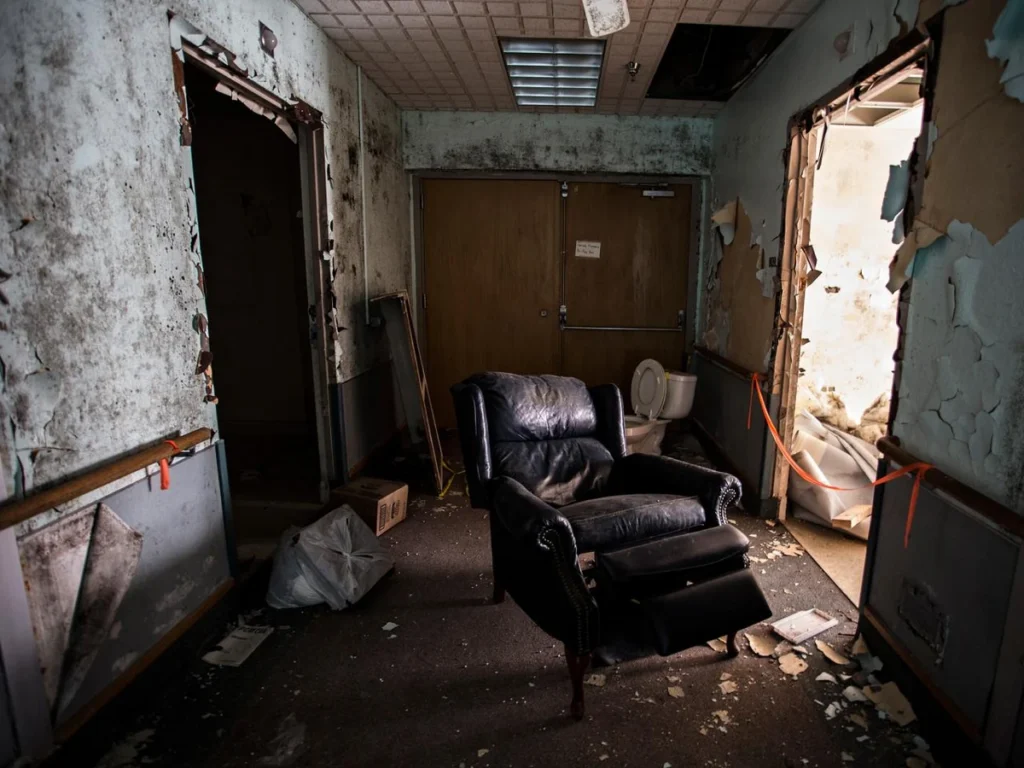
Nopeming has many ingredients that make a place feel haunted even before any ghost story is told. It is isolated, old, medical, abandoned, and closely connected to illness and death. Its long corridors, decaying rooms, peeling paint, and quiet wooded setting create the kind of atmosphere that stays with people.
But the deeper reason Nopeming fascinates people is that it was never just an empty building. It was a place where patients lived for weeks, months, or years. Children went to school there. Elderly residents spent their final years there. Staff members built careers there. Families visited loved ones there. The building’s emotional weight comes from that long human presence.
Can You Visit Nopeming Sanatorium?
Nopeming should not be treated as an open abandoned attraction. The property has been described as closed due to safety issues, and current public tour hours are not confirmed. The official website currently appears to be an update page rather than an active tour schedule.
LakeVoice also reported that caretakers, security efforts, police drive-bys, and guard dogs were used to deter trespassing and vandalism.
Anyone interested in Nopeming should only rely on official, current permission from the property owner. Old articles about past tours should not be treated as proof that the property is open today.
Final Thoughts on Nopeming Sanatorium
Nopeming Sanatorium is one of Minnesota’s most haunting historic sites, whether or not you believe the ghost stories. Its history is rooted in public health, tuberculosis treatment, long-term care, financial struggle, abandonment, and preservation attempts. The paranormal stories make the place famous, but the real history makes it meaningful.
The reports of child voices, apparitions, and strange activity will continue to draw attention. Still, Nopeming’s most powerful story is the human one. Thousands of people passed through its doors as patients, workers, visitors, and residents. Some came hoping to recover from tuberculosis. Others lived there in old age. Many never left in the way they hoped.
That is why Nopeming lingers in Minnesota’s haunted history. It is not just an abandoned hospital in the woods. It is a place where fear, illness, memory, and mystery all seem to meet.
Never trespass on property that is not yours without permission. Ghost hunting can also be dangerous, especially in abandoned buildings, so always use caution and follow the law.
Sources
- Minnesota Historical Society, St. Louis County Nopeming Sanatorium Records
- Northern Wilds, “Inside the Nopeming Sanatorium”
- LakeVoice, “Old Nopeming Sanatorium site plans to update for new community spaces”
- The Bark, “Nopeming Sanatorium: a historical archive dive explaining its reputation”
Frequently Asked Questions
Where is Nopeming Sanatorium located?
Nopeming Sanatorium is located at 2650 Nopeming Road, Duluth, MN 55810.
Reader sightings
Nobody has reported anything here yet. If you have been, you would be the first.
Report your own visit to Nopeming Sanatorium: The Haunted History of Duluth’s Abandoned Tuberculosis Hospital
How haunted is this place?
5 · 1 vote

Leave a Reply